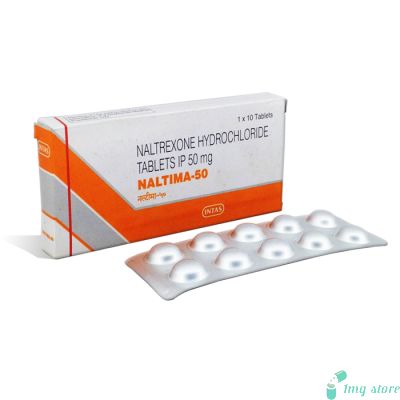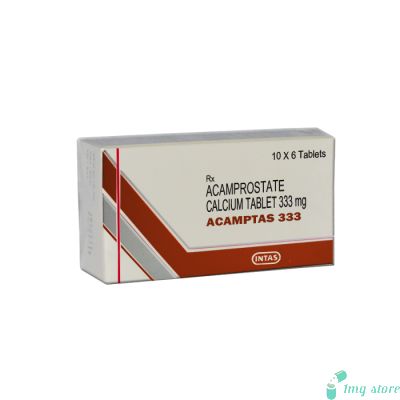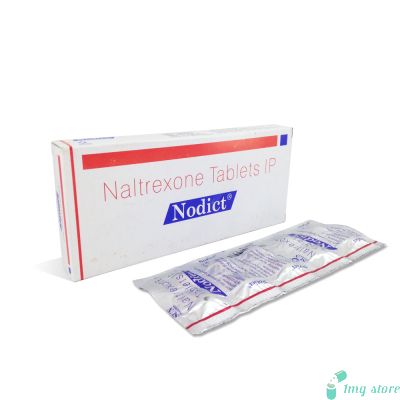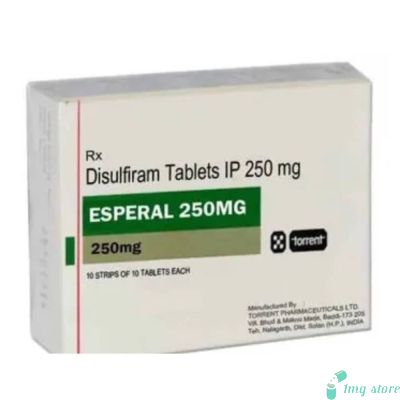
Acamprol Tablet (Acamprosate) for Alcohol Dependence, Reducing Alcohol Cravings and Preventing Relapse
Acamprol Tablet contains Acamprosate, a medicine used to help adults maintain abstinence from alcohol after they have stopped drinking. It supports long-term recovery by helping regulate certain brain chemical signals associated with alcohol dependence.


Product Overview
Acamprol Tablet contains Acamprosate Calcium 333 mg and is used as part of a comprehensive treatment programme for alcohol dependence. It helps people who have already stopped drinking maintain their abstinence and manage the ongoing recovery process.
This medicine is not intended to treat alcohol withdrawal symptoms or help someone stop drinking suddenly. Medical support is important when stopping alcohol, as withdrawal can sometimes be serious.
Product Specifications
| Specification | Details |
| Product Name | Acamprol Tablet |
| Generic Name | Acamprosate Calcium |
| Strength | 333 mg |
| Drug Class | Anti-craving / alcohol-dependence treatment |
| Dosage Form | Tablet |
| Route of Administration | Oral |
| Main Use | Maintaining abstinence from alcohol |
How Does Acamprol Tablet Work? (Pharmacodynamics)
The exact mechanism of Acamprosate is not fully understood. Long-term alcohol use can disturb the balance between excitatory and inhibitory chemical signals in the brain. Acamprosate is thought to act on the glutamate and GABA neurotransmitter systems, helping regulate this imbalance.
By supporting these brain signalling pathways, it may help reduce the discomfort and urges associated with maintaining abstinence. It does not create an unpleasant reaction when alcohol is consumed, and it is not a medicine for managing acute withdrawal.
Understanding Its Role in the Body
Alcohol dependence can affect the brain's chemical signalling systems, making it difficult for some people to maintain abstinence after stopping alcohol. Even after withdrawal has ended, the brain may take time to adjust.
Acamprol is used during this recovery period. It supports continued abstinence and is generally combined with counselling, behavioural support and follow-up care. It does not replace these measures or work as a stand-alone solution.
Expected Results
- May help adults maintain abstinence after they have stopped drinking.
- Supports ongoing recovery as part of a structured treatment programme.
- Benefits may develop over time with regular use.
- Results vary depending on individual circumstances and continued support.
- It does not treat active alcohol withdrawal or immediately remove alcohol cravings.
Pharmacokinetics: How the Body Processes It
- Absorption: Acamprosate is absorbed slowly after oral administration. Its oral bioavailability is relatively low, at approximately 11%.
- Distribution: It has negligible binding to plasma proteins and distributes throughout body fluids and tissues.
- Metabolism: Acamprosate is not significantly metabolised by the liver.
- Elimination: It is eliminated mainly through the kidneys in unchanged form. Therefore, kidney function is important when deciding whether this medicine is suitable.
Clinical Considerations
Acamprol is intended for individuals who have already stopped drinking alcohol and should be used alongside counselling and appropriate psychosocial support. Kidney function should be assessed before starting treatment, as dosage adjustments or avoidance may be necessary for people with kidney problems. Any new or worsening depression, unusual behaviour, or thoughts of self-harm should be reported promptly. This medicine does not replace medical care during alcohol withdrawal. Its use during pregnancy or breastfeeding should be evaluated by a healthcare professional.
Storage Instructions
Store Acamprol below 30°C or as directed on the product packaging. Keep the tablets in their original packaging and protect them from excessive heat and moisture. Always keep the medicine out of reach of children.
Precautions
Here are the key precautions for Acamprosate (Acamprol 333 mg) that patients and healthcare providers typically consider:
Kidney Problems
Acamprosate is cleared through the kidneys.
Not recommended in severe kidney impairment
Dose adjustment may be needed in moderate kidney disease
Always inform your doctor if you have kidney issues.
Liver Disease
Unlike some alcohol-dependence medicines, Acamprosate is not processed by the liver, making it safer than alternatives in liver disease. However, your doctor should still review your medical history.
Pregnancy & Breastfeeding
Discuss with your doctor before starting treatment and use only if the potential benefit outweighs the risk
Depression or Suicidal Thoughts
Some people may experience mood changes, anxiety, or suicidal thoughts.
Seek medical help immediately if symptoms worsen.
Allergy
Avoid Acamprosate if you are allergic to Acamprosate calcium or any inactive ingredient in the tablet.
Children & Adolescents
Not recommended for patients under 18 years of age.
Continue Counseling
Acamprosate works best with psychological support, therapy, or rehabilitation programs, not as a standalone treatment.
Not for Active Alcohol Withdrawal
It is usually prescribed to a person who has already stopped drinking.
It does not treat withdrawal symptoms like tremors or seizures.
Medication Interactions
Generally has few interactions, but always inform your doctor about:
Other prescriptions
OTC drugs
Vitamins or supplements
Adherence
It must be taken as prescribed on a regular basis, even if cravings decrease.
Contact your doctor/Healthcare provider if you notice:
Severe diarrhea
Mood or behavior changes
Signs of allergic reaction
Worsening depression or anxiety
Usage
Take Acamprol Tablet exactly as directed by your healthcare professional.
Swallow the tablet with water. Do not crush or chew it unless the product instructions specifically allow this.
Follow the prescribed schedule and try to take each dose consistently.
If you miss a dose, follow the advice provided by your doctor or pharmacist rather than doubling the next dose.
Continue counselling and recommended recovery support during treatment.
Do not change or stop the treatment without discussing it with your healthcare provider.
Uses
Acamprol Tablet may be used for:
Maintaining Alcohol Abstinence: Helps adults who have stopped drinking continue to remain alcohol-free.
Alcohol Dependence Management: Forms part of a broader treatment plan for alcohol dependence.
Supporting Long-Term Recovery: Helps support the recovery process after alcohol withdrawal has been completed.
Supporting Counselling-Based Treatment: Used alongside psychological and behavioural support.
Reducing the Risk of Returning to Alcohol Use: May help some people maintain abstinence as part of ongoing recovery care.
Side Effects
Acamprol Tablet may cause side effects in some people. Their type and severity can vary depending on individual response, health condition and treatment duration.
Possible Side Effects
Diarrhoea
Nausea
Vomiting
Abdominal discomfort or pain
Flatulence
Loss of appetite
Dizziness
Headache
Itching
Dry mouth
Difficulty sleeping
Anxiety
Less Common but Important Reactions
New or worsening depression
Unusual changes in mood or behaviour
Thoughts of self-harm or suicide
Severe allergic reactions, such as swelling or difficulty breathing
How to Manage Side Effects
Drink enough fluids if you experience diarrhoea.
Eat regular, balanced meals if you notice reduced appetite or mild stomach discomfort.
Avoid driving if you experience dizziness.
Inform your healthcare provider if side effects persist or interfere with daily activities.
Do not change your treatment schedule without medical advice.
FAQs
1. What is Acamprol Tablet used for?
Acamprol Tablet is used to help adults maintain abstinence from alcohol after they have stopped drinking. It is generally combined with counselling and recovery support.
2. What is the active ingredient in Acamprol Tablet?
It contains Acamprosate Calcium, commonly supplied in a strength of 333 mg per tablet.
3. Does Acamprol Tablet stop alcohol withdrawal symptoms?
No. It is not used to treat acute alcohol withdrawal symptoms. People who are dependent on alcohol should seek medical guidance before stopping, as withdrawal can sometimes be dangerous.
4. Does Acamprol Tablet reduce alcohol cravings?
It may help support abstinence by acting on brain chemical signalling systems involved in alcohol dependence. Individual responses can vary.
5. Can Acamprol Tablet be taken with food?
Follow the instructions provided by your healthcare professional and the product packaging. Food can reduce the amount of Acamprosate absorbed, although this effect is not generally considered clinically significant in the official prescribing information.
6. How long does Acamprol Tablet take to work?
The response varies between individuals. It is intended to support ongoing abstinence rather than provide immediate relief from withdrawal symptoms or cravings.
7. Can Acamprol Tablet be taken with Naltrexone?
A healthcare professional may prescribe both as part of an alcohol-dependence treatment plan. The combination should be monitored according to individual needs.
8. Is Acamprol Tablet addictive?
Acamprosate is not generally associated with dependence or withdrawal symptoms at therapeutic doses. Take it only as directed.
9. What happens if I miss a dose?
Follow the missed-dose instructions supplied with your medicine or ask your pharmacist. Do not take an extra dose to make up for a missed one.
10. Can people with kidney problems take Acamprol Tablet?
People with kidney problems need medical assessment before using it. Dose adjustment may be required in moderate kidney impairment, while severe impairment is a reason to avoid it.
Interactions
Acamprosate has a relatively low potential for interactions because it is not significantly metabolised by liver enzymes. However, your healthcare provider should know about all medicines you take.
1. Naltrexone
Acamprosate may be used alongside naltrexone in some treatment plans.
Naltrexone can increase the amount of Acamprosate in the blood, but routine dose adjustment is not generally required solely for this interaction.
2. Disulfiram
Acamprosate has been studied with disulfiram, and no significant change in Acamprosate levels was reported.
Using both medicines should still be guided by a healthcare professional.
3. Diazepam and Other Medicines Used During Withdrawal Care
Studies have not shown a significant effect of diazepam on Acamprosate levels.
The overall treatment plan should be reviewed by a healthcare professional, particularly when sedating medicines are involved.
4. Other Medicines and Supplements
Tell your doctor about all prescription medicines, non-prescription products and supplements you use.
Do not start or stop another medicine without checking whether it is suitable for your treatment plan.
Tips to Avoid Interactions
Share your complete medication list with your doctor or pharmacist.
Follow the recommended treatment schedule.
Do not use Acamprol to manage alcohol withdrawal without medical supervision.
Report unexpected symptoms after starting another medicine.
Note: Acamprosate has a relatively low interaction potential, but individual health conditions and other medicines can affect treatment decisions
| Manufacturer | : | Sun Pharma, India |
| Equivalent Brand | : | Campral |
| Generic Search | : | Acamprosate |
Latest Products