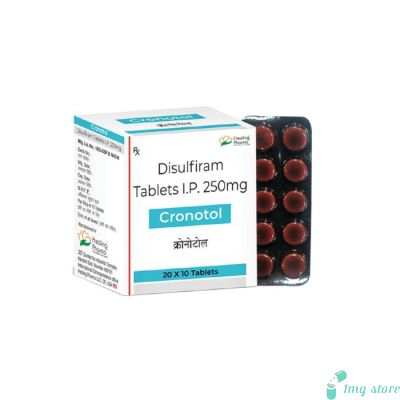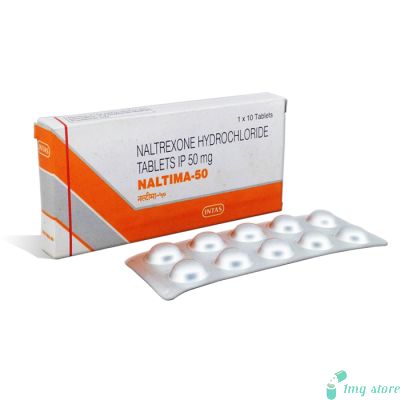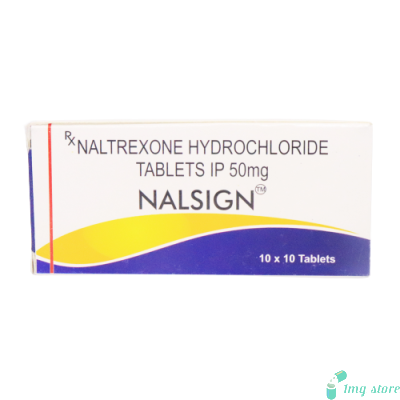
Esperal Tablet (Disulfiram): Alcohol Aversion Therapy | For Alcohol Dependence Management and Relapse Prevention


Product Overview
Esperal Tablet contains Disulfiram, a pharmacological agent primarily used in the management of chronic alcohol dependence. It is not a de-addiction cure by itself but works as a strong deterrent therapy, helping patients avoid alcohol consumption by producing unpleasant physiological reactions when alcohol is ingested.
The medication is typically used as part of a comprehensive de-addiction program, which includes counseling, behavioral therapy, and medical supervision. Its effectiveness depends heavily on patient compliance and strict avoidance of alcohol.
Mechanism Insights (How It Works)
- Enzyme Inhibition
Disulfiram blocks the enzyme aldehyde dehydrogenase (ALDH), which is responsible for breaking down acetaldehyde (a toxic byproduct of alcohol metabolism). - Acetaldehyde Accumulation
When alcohol is consumed, acetaldehyde builds up in the body due to blocked metabolism, leading to a toxic reaction. - Aversion Response
This accumulation causes unpleasant symptoms such as:
Administration Guidelines
- Take strictly under medical supervision
- Ensure complete abstinence from alcohol before starting therapy
- Avoid all alcohol-containing products (medicines, mouthwashes, syrups, etc.)
- Usually taken once daily or as prescribed
- Adherence is critical for effectiveness
Clinical Considerations
- Used as a supportive therapy, not a standalone treatment for addiction
- Requires strong patient motivation and counseling support
- Alcohol exposure during therapy can cause severe reactions
- Liver function monitoring may be required in long-term use
- Best results seen when combined with behavioral rehabilitation programs
Precautions:
Esperal Tablet contains Disulfiram, a medication used to support the treatment of alcohol dependence. It works by producing unpleasant effects if alcohol is consumed, helping deter drinking behavior. It should be used only under strict medical supervision.
Proper medical guidance is essential, especially in patients with liver disease, heart conditions, or those on multiple medications.
General Precautions
Use only as prescribed by a healthcare professional
Do not self-medicate or adjust dose without medical advice
This medicine is part of a de-addiction program and works best with counseling/support
Inform your doctor about all ongoing medications before starting Disulfiram
Avoid products that may contain alcohol (mouthwash, syrups, perfumes, sanitizers in excess use where ingestion risk exists)
Absolute Alcohol Avoidance
Do not consume any form of alcohol during treatment
Even small amounts can cause severe reactions like flushing, nausea, vomiting, headache, chest discomfort, and low blood pressure
Avoid alcohol for at least 48–72 hours after stopping the medicine (as advised by a doctor)
Liver Function Considerations
Disulfiram may affect liver function
Use cautiously in patients with existing liver disease
Liver function tests may be required before and during treatment
Stop medication and consult a doctor immediately if symptoms like jaundice, dark urine, or persistent fatigue occur
Drug Interaction Precautions
Avoid combination with certain medicines such as metronidazole (can cause severe neurological reactions)
Inform your doctor before taking any antibiotics, sedatives, or psychiatric medications
Always disclose full medication history
Neurological & Mental Health Precautions
May cause drowsiness, confusion, or mood changes in some individuals
Use caution while driving or operating heavy machinery
Patients with depression or psychosis should be closely monitored
Pregnancy & Breastfeeding
Use during pregnancy only if clearly prescribed by a doctor
Breastfeeding mothers should consult a healthcare professional before use
Risk-benefit assessment is important before starting therapy
Safety & Lifestyle Measures
Avoid hidden alcohol sources (cough syrups, sauces, fermented products)
Keep regular follow-ups with your doctor or addiction specialist
Combine treatment with counseling or rehabilitation support for best results
Maintain a supportive environment to prevent relapse
Usage
How it is taken
This tablet is taken as part of a planned routine to help manage alcohol habits. It is usually used once daily or as directed in a structured program. Consistency is important for better support results. It should be used only under proper guidance, along with lifestyle and behavioral support.
Uses
What it is used for
Helps support reduction of alcohol intake
Assists in building control over drinking habits
Used in alcohol de-addiction support programs
Encourages long-term behavior change toward alcohol avoidance
Supports recovery lifestyle when combined with counseling and care
Side Effects
This medicine may cause some side effects in certain people, especially in the beginning as the body adjusts. Most effects are mild and temporary, but a few may need attention if they persist.
Common Side Effects
These are usually mild and may improve with time:
Headache or mild head pressure
Feeling tired or low energy
Drowsiness or sleepiness during the day
Nausea or upset stomach
Metallic or unusual taste in the mouth
Mild skin flushing or warmth
Digestive Discomfort
Some people may notice stomach-related changes such as:
Loss of appetite
Stomach uneasiness
Occasional vomiting or bloating
These effects are generally short-term and often reduce as the body adapts.
Rare but Serious Effects
These are uncommon but important to be aware of:
Liver-related stress (yellowing of skin or eyes, dark urine)
Severe fatigue or weakness
Persistent nausea or loss of appetite
Unusual mental or mood changes
Important Note
Side effects can become stronger if alcohol is consumed while using this medicine. Even small amounts of alcohol may trigger strong discomfort and increase reaction intensity.
FAQs
1. What is Esperal Tablet used for?
It is used to support alcohol control and help reduce drinking habits as part of a recovery plan.
2. How does this tablet work?
It creates an aversion reaction when alcohol is consumed, helping discourage intake.
3. Can alcohol be taken while using it?
No, alcohol should be completely avoided during use.
4. How long does it take to show results?
Results depend on individual response and consistent use in a guided program.
5. Is it suitable for long-term use?
It may be used for longer durations under proper guidance and monitoring.
Interactions
Alcohol and Alcohol-Containing Products
This medicine has a strong reaction with alcohol. Even small amounts of alcohol can trigger unpleasant effects like flushing, headache, nausea, or rapid heartbeat. Alcohol can also be hidden in everyday products like cough syrups, mouthwashes, tonics, or cooking extracts, so careful checking is important.
Medicines for Infection (Antibiotics)
Some antibiotics, especially those used for certain infections, may increase the chance of unwanted reactions such as dizziness or stomach discomfort when combined. Always ensure any ongoing infection treatment is reviewed carefully.
Cold, Cough, and Flu Medicines
Many over-the-counter cold or cough products may contain alcohol or sedating ingredients. These can increase side effects like drowsiness or discomfort when used together.
General Safety Advice
Always inform about all ongoing medicines before starting
Avoid self-medication or mixing with unknown products
Carefully read labels of food, syrups, and health products
Follow a consistent routine under proper guidance
| Manufacturer | : | Torrent Pharma, India |
| Equivalent Brand | : | Antabuse |
| Generic Search | : | Disulfiram |
Latest Products