Apetamin Syrup (Cyproheptadine) | For Appetite Stimulation, Weight Gain Support, Allergy Relief
Apetamin Syrup is used to increase appetite, support weight gain, and treat allergic symptoms like itching, runny nose, and sneezing. It helps enhance food intake and supports overall energy and growth, especially in people with poor appetite or nutritional deficiencies.


Product Overview
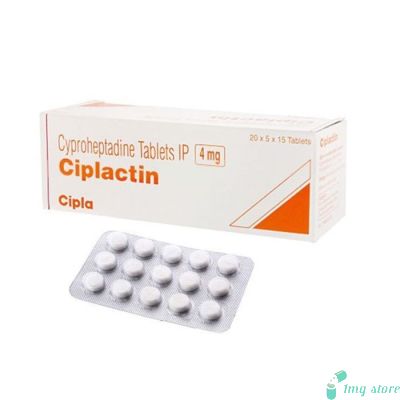
Apetamin Syrup contains Cyproheptadine, a medicine commonly used to stimulate appetite in people experiencing reduced hunger or difficulty maintaining a healthy weight. It helps increase the desire to eat by acting on certain chemical signals involved in appetite regulation. This may support improved food intake and gradual weight gain when poor appetite is affecting nutritional health. It should be used under medical supervision, as the appropriate dose and duration depend on individual needs.
How Does Apetamin Syrup Work? (Pharmacodynamics)
Cyproheptadine acts on certain receptors in the brain, including serotonin and histamine receptors. Its effect on serotonin receptors involved in appetite regulation may help increase hunger and encourage food intake.
As appetite improves, a person may feel more interested in eating and may gradually consume more food. This can support weight gain when combined with a balanced diet and appropriate nutritional care.
Understanding Its Role in the Body
Apetamin is primarily used for its appetite-stimulating effect. It may be considered when reduced hunger makes it difficult to eat enough or maintain adequate nutritional intake. However, it does not directly build muscle or provide calories and nutrients on its own. Healthy weight gain still depends on regular meals, sufficient nutrition, and addressing the reason behind poor appetite.
Expected Results
Some people may notice an increase in hunger during the initial days of treatment, although individual responses vary. Changes in body weight generally take longer and depend on food intake, metabolism, nutritional status, and the underlying cause of reduced appetite. It is not intended for rapid or cosmetic weight gain.
Pharmacokinetics: How the Body Processes It
After taking Apetamin Syrup, cyproheptadine is absorbed through the digestive system and enters the bloodstream.
- Absorption: The medicine is absorbed after oral administration and begins producing effects as its concentration increases in the blood.
- Distribution: It travels through the bloodstream and can reach the brain, where it acts on specific receptors involved in appetite and other body functions.
- Metabolism: Cyproheptadine is processed mainly by the liver.
- Elimination: Its breakdown products are removed from the body through urine and other elimination pathways.
The duration of its effects varies between individuals, depending on factors such as age, metabolism, and overall health.
Clinical Considerations
- Drowsiness: Sleepiness, dizziness, and reduced alertness may occur. Avoid driving or operating machinery if you feel sleepy.
- Dryness: Dry mouth, blurred vision, or constipation may occur because of its effects on certain body receptors.
- Alcohol: Avoid alcohol, as it can increase drowsiness and other unwanted effects.
- Existing conditions: Inform your doctor if you have glaucoma, urinary difficulties, or liver-related problems before using it.
- Other medicines: Sleeping medicines, sedatives, and other medicines that cause drowsiness may increase its effects.
- Children: Use in children requires appropriate medical guidance and age-specific dosing.
- Safe use: Do not increase the quantity or continue using it for weight gain longer than recommended. Excessive use can cause serious side effects.
Storage Instructions
Store Apetamin Syrup below 30°C, away from direct sunlight, excessive heat, and moisture. Keep the bottle tightly closed after use and out of reach of children. Follow the storage instructions provided on the product packaging.
Summary
Apetamin Syrup contains cyproheptadine, which may help improve appetite and support food intake in people experiencing reduced hunger. Its effects on appetite can make it easier to maintain adequate nutrition, but healthy weight gain requires a balanced diet and proper medical guidance. Use it only as prescribed and avoid taking it solely for rapid weight gain.
Precautions
Apetamin Syrup should be used with care because it may cause sleepiness, dizziness, and reduced alertness. Certain health conditions and other medicines can increase these effects. Before using it, discuss your medical history and current medicines with your healthcare professional.
Before You Start
Consult your doctor: Check whether Apetamin Syrup is suitable for you and follow the recommended instructions.
Discuss existing conditions: Inform your doctor if you have glaucoma, asthma, high blood pressure, heart problems, or an overactive thyroid.
Mention other medicines: Report any sleeping pills, sedatives, anxiety medicines, or other medicines you take.
Discuss pregnancy or breastfeeding: Seek medical advice before using the syrup if you are pregnant or breastfeeding.
Check for allergies: Avoid it if you have previously experienced an allergic reaction to cyproheptadine.
While Using It
Follow the recommended dose: Do not take more than the prescribed amount.
Avoid alcohol: Alcohol can increase sleepiness and dizziness.
Be careful with driving: Avoid driving or operating machinery if you feel drowsy or less alert.
Watch for unusual effects: Report excessive sleepiness, confusion, blurred vision, or difficulty passing urine.
Avoid combining sedatives: Other medicines that cause drowsiness may increase its effects.
Do not use it casually for weight gain: Seek medical advice to understand the cause of poor appetite rather than using the syrup without supervision.
When to Seek Medical Help
Severe drowsiness: Seek medical advice if you experience excessive sleepiness or confusion.
Allergic reactions: Get immediate medical attention for facial swelling, widespread rash, or breathing difficulties.
Vision or urinary problems: Report sudden blurred vision or difficulty passing urine.
Possible overdose: Seek urgent medical help if more than the prescribed amount is taken, particularly by a child.
Note:
Avoid alcohol and other sedating medicines unless your doctor confirms they can be taken together. Keep the syrup out of children's reach.
Usage
Follow the recommended dose: Take Apetamin Syrup (Cyproheptadine) only in the amount advised by your healthcare professional. The appropriate dose depends on age, health condition, and individual needs.
Measure it carefully: Use the measuring cup or spoon supplied with the syrup rather than an ordinary kitchen spoon to ensure an accurate amount.
Take it at the advised time: Follow your prescribed schedule. Since cyproheptadine can cause drowsiness, be careful with activities that require alertness after taking it.
Missed a dose? Take it when you remember, unless it is nearly time for your next dose. Do not take extra syrup to make up for a missed dose.
Check other medicines: Inform your doctor if you take sleeping tablets, sedatives, other antihistamines, or medicines that may cause drowsiness.
Consider existing health conditions: Discuss any history of glaucoma, urinary difficulties, asthma, or other medical conditions before using it.
Monitor your response: Increased appetite, sleepiness, dry mouth, dizziness, or constipation may occur. Contact your healthcare professional if these effects become troublesome.
Uses
Apetamin Syrup contains Cyproheptadine, an antihistamine with appetite-stimulating properties. It may be prescribed in certain situations to help people with a reduced appetite improve their food intake.
Appetite stimulation: Helps increase the desire to eat in people experiencing reduced appetite when prescribed for this purpose.
Support for low appetite: May be considered when illness or other factors contribute to poor eating habits.
Improved food intake: Increased appetite may help some individuals eat more regularly when combined with balanced meals.
Allergy symptom relief: Cyproheptadine also has antihistamine properties and may help relieve certain allergic symptoms when prescribed for that purpose.
Summary
Apetamin Syrup may help improve appetite in people who struggle to eat enough, but increased appetite does not automatically mean healthy weight gain. A balanced diet and an understanding of the reason behind poor appetite remain important.
Side Effects
Apetamin Syrup contains cyproheptadine, which may cause side effects depending on the amount taken and how your body responds to it. Some people may notice changes in alertness, digestion, or overall comfort while using it.
Common Side Effects
Drowsiness: You may feel sleepy or less alert during the day.
Increased appetite: You may notice stronger hunger or a greater desire to eat.
Dry mouth: Your mouth or throat may feel unusually dry.
Dizziness: You may feel lightheaded, especially when standing up.
Nausea: You may experience mild stomach discomfort.
Constipation: Bowel movements may become less frequent or difficult.
Blurred vision: Your vision may temporarily become unclear.
Serious Side Effects
Severe allergic reactions: Swelling of the face, lips, or throat, or difficulty breathing requires emergency medical attention.
Difficulty passing urine: You may experience trouble urinating or an inability to empty your bladder.
Severe confusion: Unusual confusion, agitation, or disorientation needs prompt medical attention.
Rapid or irregular heartbeat: An unusually fast or uneven heartbeat should be assessed by a healthcare professional.
Extreme drowsiness: Excessive sleepiness, difficulty waking, or reduced alertness requires urgent medical attention.
Note: Apetamin should not be used simply for weight gain without discussing its safety and suitability with a healthcare professional.
FAQs
1. What is Apetamin Syrup used for?
Apetamin Syrup contains cyproheptadine and is marketed as an appetite stimulant to help increase appetite in people experiencing reduced hunger. Its use should be guided by a healthcare professional.
2. How does Apetamin Syrup help improve appetite?
Cyproheptadine blocks certain serotonin and histamine receptors. Its effect on serotonin receptors may help stimulate appetite and increase the desire to eat.
3. How should Apetamin Syrup be taken?
Take Apetamin Syrup only as directed by your doctor. Follow the recommended dose and use a proper measuring device rather than a household spoon.
4. How long does Apetamin Syrup take to increase appetite?
The response varies from person to person. Some people may notice changes in appetite earlier, while others may take longer. Results also depend on the underlying reason for reduced appetite.
5. Does Apetamin Syrup help with weight gain?
It may support weight gain by increasing appetite and food intake. However, weight gain is not guaranteed and depends on eating habits, nutritional intake, metabolism, and overall health.
6. What are the common side effects of Apetamin Syrup?
Common side effects may include drowsiness, dizziness, dry mouth, increased appetite, constipation, and blurred vision. Some people may also experience difficulty concentrating.
7. Can Apetamin Syrup cause sleepiness?
Yes. Cyproheptadine can cause drowsiness and reduced alertness. Avoid driving, operating machinery, or performing activities requiring concentration until you know how it affects you.
8. Can Apetamin Syrup be taken with food?
It can generally be taken with or without food. Follow your doctor's instructions and maintain regular, balanced meals to support healthy nutritional intake.
9. Can Apetamin Syrup be taken with other medicines?
It may interact with alcohol, sleeping pills, sedatives, and other medicines that cause drowsiness. Inform your doctor about all medicines and supplements you use before starting it.
10. Who should avoid taking Apetamin Syrup?
People with glaucoma, urinary retention, certain stomach or intestinal conditions, or an allergy to cyproheptadine should seek medical advice before using it. It should not be given to newborn or premature infants. Pregnant or breastfeeding women should consult a doctor before use.
Interactions
Apetamin Syrup contains cyproheptadine, which may interact with certain medicines and substances, increasing drowsiness, dizziness, or other side effects. Some combinations can also affect alertness and coordination. Inform your healthcare professional about all medicines and supplements you take before using Apetamin Syrup.
1. Alcohol
Alcohol may increase the sleepy and sedative effects of cyproheptadine.
Avoid alcohol while taking this syrup.
2. Sleeping Pills and Sedatives
Medicines such as diazepam, alprazolam, and other sleeping tablets may cause excessive drowsiness when combined with cyproheptadine.
Use them together only under medical supervision.
3. Other Allergy Medicines
Other antihistamines may increase side effects such as dry mouth, dizziness, and sleepiness.
Avoid combining them without medical advice.
4. Antidepressants
Certain antidepressants, particularly MAO inhibitors, may increase the effects of cyproheptadine.
Inform your healthcare professional if you take medicines for depression or other mental health conditions.
5. Medicines with Anticholinergic Effects
Some medicines used for bladder problems, stomach cramps, or other conditions may increase dry mouth, constipation, blurred vision, and difficulty passing urine.
Tell your healthcare professional about these treatments.
Tips to Avoid Interactions
Share a list of all prescription medicines, over-the-counter products, and supplements you take.
Avoid alcohol and other medicines that cause drowsiness unless approved by your healthcare professional.
Do not combine Apetamin with other allergy medicines without medical advice.
Avoid driving if you feel sleepy or less alert.
Note: Interactions depend on the medicines used and your individual health condition. Apetamin may cause significant drowsiness and should be used only under appropriate medical supervision.
| Manufacturer | : | TIL Healthcare Pvt. Ltd |
| Equivalent Brand | : | Periactin |
| Generic Search | : | Cyproheptadine |
Latest Products