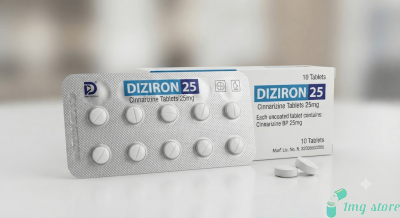
Cintigo Tablet (Cinnarizine) | Used for Vertigo, Motion Sickness & Balance Disorders
Cintigo Tablet contains Cinnarizine , an antihistamine medicine used to help manage vertigo, motion sickness, dizziness, nausea, and balance-related symptoms associated with inner-ear disorders such as Ménière’s disease. It works mainly by reducing abnormal stimulation of the balance system in the inner ear.


Product Overview
Cintigo 25mg Tablet contains Cinnarizine, an antihistamine medicine commonly used for conditions involving the balance system of the inner ear. It is used to relieve symptoms such as vertigo, dizziness, nausea and vomiting associated with motion sickness, and symptoms related to Ménière’s disease.
Cinnarizine has antihistamine and vestibular-suppressant properties. It can reduce the abnormal activity of the vestibular system that contributes to spinning sensations, dizziness and motion-related nausea. It also has calcium-channel-blocking effects on vascular smooth muscle.
Key Points
- Contains Cinnarizine 25mg
- Belongs to the antihistamine/antivertigo medicine group
- Used for vertigo and dizziness
- Helps prevent and relieve motion sickness
- May be used for symptoms associated with Ménière’s disease
- Can help reduce nausea and vomiting related to balance disturbances
- May cause drowsiness or sleepiness
- Taking it with food may help reduce stomach discomfort
Product Information
| Product Information | Details |
| Product Name | Cintigo Tablet |
| Active Ingredient | Cinnarizine |
| Dosage Form | Tablet |
| Drug Class | Antihistamine / Antivertigo medicine |
| Main Action | Vestibular suppressant |
| Route of Administration | Oral |
Main Uses | Vertigo, motion sickness, Ménière’s disease |
How Does Cintigo Tablet Work?
Cintigo contains cinnarizine, which helps reduce excessive stimulation of the vestibular system involved in maintaining balance. Cinnarizine also reduces calcium influx in certain smooth-muscle cells and has effects that help suppress abnormal vestibular responses. This can help reduce spinning sensations, dizziness and motion-related nausea.
Benefits of Cintigo Tablet
- Helps relieve symptoms of vertigo and dizziness.
- Helps prevent or reduce motion sickness.
- May reduce nausea and vomiting associated with motion or vestibular disturbances.
- Can help manage balance-related symptoms associated with Ménière’s disease.
- Helps reduce abnormal activity in the inner-ear balance system.
Precaution
1. Use Only as Directed
Take Cintigo according to the instructions provided by your doctor or the product leaflet. The appropriate dose and treatment duration depend on the condition being treated.
2. May Cause Drowsiness
Cinnarizine can cause sleepiness or drowsiness. Avoid driving, cycling or operating machinery if you feel less alert after taking it.
3. Avoid Alcohol
Alcohol may increase the sedative effects of cinnarizine and make you more sleepy or less alert. It is best to avoid alcohol while taking this medicine.
4. Liver Problems
Tell your doctor if you have liver disease or reduced liver function before using Cintigo. Cinnarizine may not be suitable for some people with significant liver problems.
5. Kidney Problems
Inform your doctor if you have kidney disease. Your suitability for treatment should be assessed before using cinnarizine.
6. Glaucoma
Tell your doctor if you have glaucoma or have been advised that you are at risk of developing glaucoma.
7. Difficulty Passing Urine
Inform your doctor if you have prostate problems, urinary retention or difficulty passing urine, as cinnarizine may not be suitable in some cases.
Usage
Cintigo Tablet should be swallowed with water and taken according to the prescribed instructions. It is generally recommended to take cinnarizine after food to reduce the possibility of stomach discomfort. The dose depends on whether it is being used for motion sickness, vertigo or another balance-related condition.
For travel sickness, cinnarizine is generally taken before travelling. However, exact doses vary according to the strength and formulation, so the dosage on the specific Cintigo package or the doctor's prescription should be followed rather than using a dose intended for another cinnarizine product.
Do not take an extra dose to compensate for a missed dose. If you take more than the recommended amount, seek medical advice, particularly if symptoms develop.
Uses
1. Vertigo
Cintigo is used to help relieve vertigo, which may cause a spinning sensation, dizziness or a feeling that the surroundings are moving.
2. Motion Sickness
Cinnarizine can help prevent and reduce nausea, vomiting and dizziness associated with travelling by car, boat, aircraft or other moving vehicles.
3. Ménière’s Disease
Cintigo may be used to help manage symptoms associated with Ménière’s disease, including vertigo, nausea and balance disturbances.
4. Balance Disorders
Cinnarizine may help reduce symptoms caused by disturbances in the vestibular system of the inner ear.
5. Nausea and Vomiting Related to Vestibular Problems
By reducing abnormal vestibular stimulation, cinnarizine can help relieve nausea and vomiting associated with motion or balance disturbances.
Side Effects
Common Side Effects
Some people taking cinnarizine may experience:
- Drowsiness or sleepiness
- Dry mouth
- Stomach discomfort or indigestion
- Heartburn
- Bloating
- Nausea
- Headache
Serious or Unusual Side Effects
Seek medical attention if you develop:
- Severe allergic reaction, swelling or difficulty breathing
- Severe or persistent involuntary movements
- Tremors or significant muscle stiffness
- Seizures
- Severe confusion or unusual changes in behaviour
- Significant urinary difficulty
- Other severe or persistent symptoms
FAQs
1. What is Cintigo Tablet?
Cintigo Tablet contains Cinnarizine 25mg and is used for vertigo, motion sickness and balance-related symptoms such as those associated with Ménière’s disease.
2. What is the active ingredient in Cintigo?
The active ingredient is Cinnarizine 25mg.
3. What is Cintigo Tablet used for?
It is used for motion sickness, vertigo and symptoms associated with Ménière’s disease.
4. Does Cintigo help with dizziness?
Yes. Cinnarizine is used to reduce dizziness and spinning sensations associated with vestibular disorders.
5. Can Cintigo be used for motion sickness?
Yes. Cinnarizine can help prevent and relieve motion sickness symptoms such as nausea, vomiting and dizziness.
6. Can Cintigo be used for Ménière’s disease?
Cinnarizine may be used to manage symptoms associated with Ménière’s disease, including vertigo, nausea and balance problems.
7. Does Cintigo cause sleepiness?
Yes. Drowsiness or sleepiness is a known side effect. Do not drive or operate machinery if you feel drowsy.
8. Can I drink alcohol while taking Cintigo?
It is best to avoid alcohol because it can increase the sedative effect of cinnarizine.
Interactions
1. Alcohol
Alcohol can increase the sedative effect of cinnarizine and may make you excessively sleepy or less alert. Avoid alcohol during treatment.
2. Sleeping Medicines
Medicines used to help with sleep, such as sedative or hypnotic medicines, can increase drowsiness when taken with cinnarizine.
3. Anxiety Medicines
Some medicines used for anxiety, including sedative medicines such as diazepam, can increase the sleepiness caused by cinnarizine.
4. Strong Painkillers
Strong pain medicines, including some opioids such as tramadol, may increase drowsiness when combined with cinnarizine.
5. Antidepressants
Certain antidepressants, including sedating medicines such as amitriptyline, may increase the sedative effects of cinnarizine.
6. Other Antihistamines
Taking cinnarizine with other antihistamines may increase drowsiness and other antihistamine-related effects.
7. Medicines Affecting the Central Nervous System
Other medicines that cause sedation or reduced alertness may increase the effects of cinnarizine.
8. Anticholinergic Medicines
Medicines with anticholinergic effects may potentially increase effects such as dry mouth, blurred vision, constipation or difficulty passing urine.
| Manufacturer | : | Taj Pharma Ltd |
| Equivalent Brand | : | |
| Generic Search | : | Cinnarizine |
Latest Products