Clopicard Tablet (Clopidogrel) | Used to Prevent Blood Clots and Reduce the Risk of Heart Attack and Stroke
Clopicard Tablet (Clopidogrel) is an antiplatelet medicine that helps reduce the formation of harmful blood clots in blood vessels. It is used to lower the risk of heart attack and stroke in people with certain cardiovascular conditions, including those who have undergone procedures such as coronary stenting.


Product Overview
Clopicard Tablet contains clopidogrel, an antiplatelet medicine used to help prevent harmful blood clots and reduce the risk of certain clot-related cardiovascular events, including heart attack and stroke. It belongs to a group of medicines called P2Y12 platelet inhibitors, which work by reducing the ability of platelets to stick together and form clots.
Clopicard Tablet may be used in people with certain cardiovascular conditions, including after some heart attacks or ischemic strokes, in peripheral arterial disease, and following certain coronary procedures such as stent placement. It may also be used in combination with other antiplatelet medicines in specific clinical situations. The treatment approach depends on the individual's condition, cardiovascular risk, and healthcare professional's assessment.
Clopidogrel is a prodrug that is converted in the body to an active metabolite. This active form blocks the platelet P2Y12 ADP receptor, reducing platelet activation and aggregation. As a result, platelets are less likely to form unwanted blood clots within blood vessels.
The dose and duration of Clopicard Tablet depend on the particular cardiovascular condition and the individual's treatment plan. It is generally taken orally and should be used exactly as directed by the healthcare professional. Treatment should not be stopped without medical guidance, particularly following certain coronary procedures, because premature discontinuation may increase the risk of cardiovascular events.
| Product Information | Details |
| Product Name | Clopicard TabletActive Ingredient |
| Active Ingredient | Clopidogrel |
| Medicine Type | Antiplatelet Medicine |
| Drug Class | P2Y12 Platelet Inhibitor |
| Dosage Form | Tablet |
| Route of Administration | Oral |
How Clopicard Tablet Works
Clopidogrel is converted into its active form in the body, which then selectively inhibits the P2Y12 ADP receptor on platelets. This reduces platelet activation and prevents platelets from aggregating with one another. By limiting platelet aggregation, Clopicard helps reduce the formation of unwanted blood clots in blood vessels.
Additional Information
Clopicard Tablet is generally used as part of an overall approach to reducing cardiovascular risk. Depending on the individual's condition, treatment may be accompanied by other cardiovascular medicines and appropriate lifestyle measures.
Because Clopidogrel affects platelet function, it can increase the tendency to bleed. People with a history of bleeding disorders, stomach ulcers, liver problems, recent surgery, or other conditions associated with bleeding should inform their healthcare professional before treatment.
Clopidogrel can interact with certain medicines, including anticoagulants, NSAIDs, other antiplatelet medicines, and medicines that interfere with CYP2C19 activity. In particular, omeprazole and esomeprazole can reduce the activation and antiplatelet effect of clopidogrel and should generally be avoided with it. (DailyMed)
Report unusual or prolonged bleeding, blood in the stool or urine, vomiting blood, unexplained bruising, or other concerning symptoms to a healthcare professional. Inform your doctor or dentist before any planned surgical or dental procedure. Do not change the dose or stop Clopicard without appropriate medical guidance.
Precautions
- Clopicard can increase the tendency to bleed. Report unusual, prolonged, or unexplained bleeding to a healthcare professional.
- Inform your doctor if you have a history of bleeding disorders, stomach ulcers, liver problems, kidney problems, or recent surgery or injury.
- Tell your healthcare professional about all medicines, vitamins, and supplements you use.
- Inform your doctor or dentist before any planned surgery, dental procedure, or invasive treatment. Temporary interruption may sometimes be required.
- Do not stop Clopicard suddenly without medical advice, especially if it has been started after a heart attack, stroke, or coronary stent.
- Take care when using sharp objects, shaving, or performing activities where injuries may occur because bleeding may take longer to stop.
- Seek prompt medical attention following a significant injury, particularly a head injury, because internal bleeding may not always be immediately visible.
Usage
Take Clopicard Tablet exactly as directed by your healthcare professional.
- Take the tablet with water.
- It can generally be taken with or without food.
- Try to take it at the same time each day.
- Swallow it whole rather than chewing or crushing it.
- Continue treatment for the recommended duration.
- Do not stop treatment on your own.
Missed Dose
If you forget a dose, take it when you remember unless it is close to the time of your next dose. In that situation, skip the missed dose and continue with the regular schedule.
Do not take two doses together to make up for a missed dose.
Uses
Clopicard Tablet may be used to help:
- Prevent heart attack and stroke in appropriate patients
- Reduce the risk of harmful blood-clot formation
- Prevent clot-related complications in certain cardiovascular conditions
- Reduce cardiovascular risk following certain heart attacks or ischemic strokes
- Manage certain cases of peripheral arterial disease
- Support antiplatelet treatment following selected coronary procedures, including stent placement
The exact use, dose, and duration depend on the individual's cardiovascular condition and treatment plan.
Side Effects
Clopicard Tablet may cause some side effects, although not everyone experiences them. Because clopidogrel reduces platelet aggregation, bleeding and bruising are among the most important possible effects.
| Common Side Effects | Serious Side Effects |
| Easy bruising | Severe or uncontrolled bleeding |
| Nosebleeds | Gastrointestinal bleeding |
| Prolonged bleeding from cuts | Blood in the urine or stool |
| Diarrhea | Vomiting blood or coughing up blood |
| Abdominal discomfort | Severe or persistent headache |
| Indigestion | Thrombotic thrombocytopenic purpura (TTP) |
| Skin rash or itching | Severe allergic or skin reactions |
| Headache | Unexplained weakness, confusion, or neurological symptoms |
When to Seek Medical Attention
Contact a healthcare professional promptly if you experience unusual or prolonged bleeding, black or bloody stools, blood in the urine, vomiting blood, severe headache, sudden weakness, confusion, or other unusual symptoms. Serious bleeding or symptoms suggesting TTP require urgent medical attention.
The occurrence and severity of side effects can vary between individuals. Do not stop Clopicard Tablet on your own, as discontinuing clopidogrel without appropriate medical guidance may increase the risk of clot-related complications.
FAQs
1. What is Clopicard Tablet used for?
Clopicard contains clopidogrel and is used to help prevent harmful blood clots. It may be used to reduce the risk of heart attack, stroke, and other clot-related cardiovascular events in appropriate patients.
2. How does Clopidogrel work?
Clopidogrel is an antiplatelet medicine that reduces platelet activation and aggregation. By preventing platelets from sticking together too easily, it helps reduce the formation of unwanted blood clots.
3. Can Clopicard be taken with aspirin?
Clopidogrel may sometimes be used together with aspirin for certain cardiovascular conditions or after specific heart procedures. However, the combination can increase bleeding risk and should be used only when recommended by a healthcare professional.
4. Should Clopicard be taken with food?
Clopicard can generally be taken with or without food. Follow the dosing instructions provided by your healthcare professional and take it at the same time each day when possible.
5. Can Clopicard cause bleeding or bruising?
Yes. Because clopidogrel reduces platelet aggregation, it can make bleeding or bruising occur more easily. Unusual, severe, or prolonged bleeding should be reported promptly to a healthcare professional.
6. Can Clopicard affect the stomach?
Clopidogrel may increase the risk of gastrointestinal bleeding, particularly in people with a history of stomach ulcers or those taking medicines such as NSAIDs. Report black stools, blood in the stool, vomiting blood, or persistent stomach symptoms promptly.
7. Can Clopicard be taken with other medicines?
Clopidogrel can interact with certain medicines, including anticoagulants, NSAIDs, other antiplatelet medicines, and some medicines that affect the CYP2C19 enzyme. Provide your healthcare professional with a complete list of medicines and supplements you take.
8. How long does Clopicard take to work?
Clopidogrel begins affecting platelet function after it is converted into its active form, but the time and extent of its effect can vary depending on the dose and individual factors. The duration of treatment depends on the medical condition and treatment plan.
9. Can I stop Clopicard when I feel better?
Do not stop Clopicard without consulting your healthcare professional. Stopping clopidogrel too early can increase the risk of blood-clot-related complications, particularly after certain cardiovascular procedures.
10. What should I do if I experience unusual or severe bleeding?
Contact a healthcare professional promptly if you experience severe or persistent bleeding, blood in the urine or stool, black or tarry stools, vomiting blood, or unexplained large bruises. Seek urgent medical attention for heavy bleeding that does not stop.
Interactions
Clopicard Tablet may interact with certain medicines. Important examples include:
- Anticoagulants: Medicines such as warfarin and other blood-clotting medicines may increase the risk of bleeding when used with clopidogrel.
- NSAIDs: Medicines such as ibuprofen, naproxen, and diclofenac may further increase the risk of gastrointestinal or other bleeding.
- Other antiplatelet medicines: Combining clopidogrel with medicines such as aspirin may increase bleeding risk, although the combination may be intentionally used in certain cardiovascular conditions.
- Omeprazole and Esomeprazole: These medicines can interfere with the activation of clopidogrel and may reduce its antiplatelet effect. Their concurrent use is generally avoided.
- Certain antidepressants: Some selective serotonin reuptake inhibitors (SSRIs) and related medicines may increase the risk of bleeding when used with clopidogrel.
- Other medicines affecting CYP2C19: Medicines that inhibit the CYP2C19 enzyme may reduce the conversion of clopidogrel into its active form and potentially decrease its antiplatelet effect.
| Manufacturer | : | Cipla Ltd. |
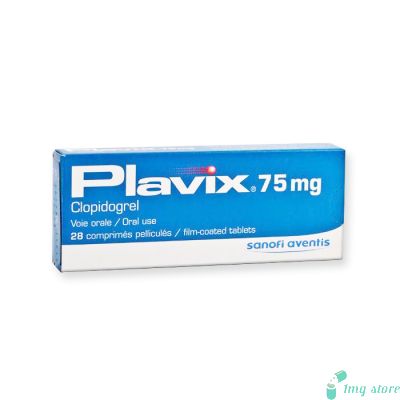
| Equivalent Brand | : | Plavix |
| Generic Search | : | Clopidogrel |
Latest Products