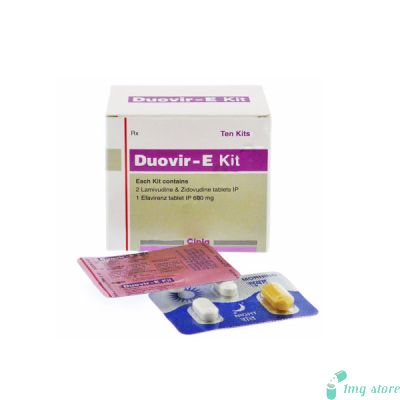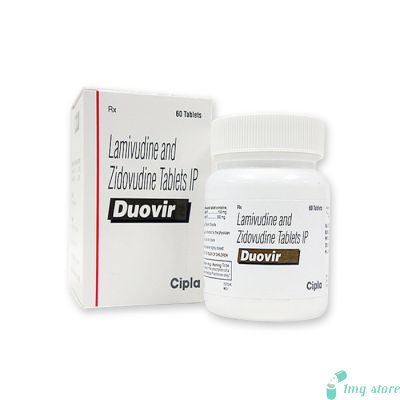
Duovir N Tablet (Lamivudine + Nevirapine + Zidovudine): Antiretroviral Tablet | For HIV Infection Management
Duovir N Tablet contains three antiretroviral medicines used together to manage HIV-1 infection. Lamivudine and zidovudine help prevent the virus from making new copies of itself, while nevirapine blocks an enzyme needed for viral multiplication. This combination helps reduce the amount of virus in the body and supports immune system health.


Product Overview
Duovir N Tablet contains three active ingredients: Lamivudine, Nevirapine, and Zidovudine. These medicines work together to manage HIV-1 infection by slowing down the multiplication of the virus in the body. This helps protect the immune system and supports the body's ability to fight infections. Duovir N is part of antiretroviral therapy (ART) and should be taken regularly under medical supervision.
How Does Duovir N Tablet Work? (Pharmacodynamics)
Think of the three ingredients as working together to interrupt the virus's ability to make copies of itself.
Lamivudine: Blocks an important step the virus needs to reproduce.
Nevirapine: Targets an enzyme called reverse transcriptase, preventing the virus from copying its genetic information.
Zidovudine: Works alongside lamivudine to interfere with viral DNA formation.
Together, these medicines help reduce the amount of virus in the blood, known as the viral load, and support immune health.
Understanding Its Role in the Body
Duovir N does not completely remove HIV from the body, but it helps keep the infection under control. With consistent treatment, viral levels can become very low, allowing the immune system to function better and reducing the risk of HIV-related complications.
Expected Results
With regular use, Duovir N may gradually lower the viral load and help maintain or improve CD4 cell counts, which reflect immune health. Improvements usually develop over weeks to months, depending on the individual's response.
Even when you feel well, continuing treatment is important because missed doses can allow the virus to multiply and develop resistance.
Pharmacokinetics: How the Body Processes It
After swallowing Duovir N, all three ingredients enter the bloodstream and begin working in the body. Each is processed differently:
Lamivudine: Mainly leaves the body through the kidneys.
Nevirapine: Is broken down by the liver before being eliminated.
Zidovudine: Is processed mainly in the liver, and its breakdown products leave through urine.
These differences help explain why kidney and liver health are important during treatment.
Clinical Considerations
Liver health: Nevirapine can sometimes cause serious liver problems, particularly during the first 18 weeks. Regular liver tests are important.
Blood cell levels: Zidovudine may lower red or white blood cell counts. Your doctor may recommend routine blood tests.
Skin reactions: Watch for new rashes, especially with fever, blisters, or mouth sores. Seek urgent medical attention if these occur.
Medicine interactions: Nevirapine may affect how other medicines work. Tell your doctor about all medicines and supplements you take.
Treatment schedule: Nevirapine may require a special starting schedule. Do not begin, restart after an interruption, or change Duovir N without medical guidance.
Regular monitoring: Viral load, CD4 counts, liver function, and blood counts may be checked to assess treatment progress.
Storage Instructions
Store Duovir N Tablets according to the temperature instructions on the packaging, in a cool, dry place away from excessive heat, sunlight, and moisture. Keep the tablets in their original container and out of reach of children.
Conclusion
Duovir N Tablet combines three medicines to help control HIV-1 infection and support long-term immune health. Taking it consistently and attending regular medical checkups can help maintain treatment effectiveness and reduce the risk of complications.
Precautions
While taking Duovir N Tablet, certain precautions are important because its ingredients may affect the liver, blood cells, and overall health. Some reactions are more likely during the first few weeks of treatment. Regular checkups, careful monitoring, and taking the medicine as prescribed can help manage these risks.
Before You Start
Consult your healthcare professional: Discuss your medical history and whether Duovir N is suitable for you.
Check your liver health: Inform your doctor about liver problems, including hepatitis B or C, as this medicine may affect liver function.
Discuss blood-related conditions: Zidovudine may lower red and white blood cell counts, so blood tests may be needed.
Mention other medicines: Share details of all medicines and supplements you take to avoid unwanted interactions.
Discuss pregnancy or breastfeeding: Ask your doctor about the safest treatment plan for your situation.
Report previous allergies: Tell your doctor if you have experienced a serious rash or allergic reaction to any of its ingredients.
While Using It
Follow the prescribed schedule: Take Duovir N exactly as directed. Do not change the dose or stop treatment on your own.
Watch for skin reactions: Nevirapine may cause a serious rash, particularly during the first six weeks. Seek medical advice immediately if a rash develops.
Monitor liver health: Report yellowing of the skin or eyes, dark urine, persistent nausea, or unusual tiredness.
Attend regular checkups: Blood tests help monitor liver function and blood cell counts.
Avoid excessive alcohol: Alcohol may increase the strain on your liver.
Do not miss doses: Taking the medicine irregularly can reduce treatment effectiveness and increase the risk of drug resistance.
When to Seek Medical Help
Severe skin reactions: Seek urgent medical attention for a rash with fever, blisters, mouth sores, or peeling skin.
Liver-related symptoms: Contact your doctor immediately if you develop yellowing of the eyes, severe tiredness, or persistent abdominal discomfort.
Unusual weakness or breathlessness: These may indicate a low blood cell count and require medical evaluation.
Severe muscle pain or rapid breathing: Seek urgent medical care, as these may be signs of a rare but serious reaction called lactic acidosis.
Note:
Duovir N Tablet requires regular medical monitoring, particularly during the early stages of treatment. Do not stop or adjust the medicine without medical advice. Report unusual symptoms promptly and attend scheduled blood tests to help ensure safe and effective treatment.
Usage
Take it as prescribed: Duovir N Tablet (Lamivudine + Nevirapine + Zidovudine) should be taken exactly as directed by your healthcare professional. The dosing schedule depends on your treatment plan.
Take it consistently: Swallow the tablet with water, with or without food. Taking it at the same times each day helps maintain steady medicine levels in your body.
Do not skip doses: Missing doses or stopping treatment suddenly can make the medicine less effective and increase the risk of drug resistance.
Missed a dose? Take it as soon as you remember, unless your next dose is almost due. Do not take two doses together.
Watch for skin reactions: Nevirapine may cause a rash, particularly during the first few weeks. Contact your doctor promptly if a rash appears, especially with fever, blisters, or mouth sores.
Attend regular checkups: Your doctor may recommend blood tests to monitor liver function and blood cell counts during treatment.
Check other medicines: Tell your doctor about any medicines or supplements you take, as some may interfere with Duovir N or increase unwanted effects.
Uses
Duovir N Tablet contains Lamivudine, Nevirapine, and Zidovudine, three antiretroviral medicines that work together to manage HIV-1 infection. They help reduce the amount of virus in the body and support the immune system.
Management of HIV-1 infection: Helps control viral activity and reduce the amount of HIV in the blood.
Supports immune health: By lowering the viral load, it helps the immune system maintain its ability to protect the body.
Slows disease progression: Consistent treatment helps reduce the risk of HIV-related complications.
Combination treatment: The three ingredients target different stages of viral multiplication, helping improve treatment effectiveness.
Long-term viral control: When taken consistently as part of an appropriate treatment plan, it can help maintain viral suppression.
Note: Duovir N is not a cure for HIV. Because it contains nevirapine and zidovudine, careful monitoring for liver problems, severe skin reactions, and changes in blood cell counts is important. The fixed-dose combination may not be suitable for starting nevirapine treatment without an appropriate lead-in regimen.
Side Effects
Duovir N Tablet may cause side effects as your body adjusts to treatment. Some effects are mild and may improve with time, while others need medical attention. The risk can depend on your overall health, treatment duration, and individual response.
Common Side Effects
Nausea or vomiting: You may feel sick, particularly when starting treatment.
Headache: Mild to moderate headaches may occur.
Tiredness: You may feel more tired or weak than usual.
Dizziness: Some people may feel lightheaded.
Skin rash: A mild rash may develop, particularly during the first few weeks.
Stomach discomfort: Abdominal discomfort or digestive changes may occur.
Serious Side Effects
Severe skin reaction: A widespread rash, blistering, peeling skin, or rash with fever needs immediate medical attention.
Liver problems: Yellowing of the skin or eyes, dark urine, severe nausea, or unusual tiredness should be reported promptly.
Blood cell changes: Zidovudine may reduce red or white blood cells, which can cause unusual weakness, pale skin, fever, or frequent infections.
Lactic acidosis: Unusual weakness, persistent vomiting, stomach pain, or rapid breathing requires urgent medical assessment.
Severe allergic reaction: Swelling of the face or throat or difficulty breathing requires emergency medical care.
Note: Take Duovir N Tablet exactly as prescribed and attend recommended blood and liver-function monitoring. Do not stop treatment on your own. Seek medical advice if side effects become severe, persistent, or unusual.
FAQs
1. What is Duovir N Tablet used for?
Duovir N Tablet is used to manage HIV infection. It helps control the virus, supports immune health, and reduces the risk of HIV-related complications.
2. How does Duovir N Tablet work?
It combines three medicines lamivudine, nevirapine, and zidovudine, that work together to stop the virus from multiplying in the body.
3. How should I take Duovir N Tablet?
Take the tablet exactly as prescribed by your doctor, preferably at the same times each day. Do not change your dose without medical advice.
4. Can Duovir N Tablet be taken with food?
Yes, Duovir N Tablet can generally be taken with or without food. Taking it with food may help if you experience stomach discomfort.
5. What are the common side effects of Duovir N Tablet?
Common side effects may include nausea, headache, tiredness, dizziness, stomach discomfort, and skin rash. Inform your doctor if these symptoms persist.
6. Can Duovir N Tablet completely cure HIV infection?
No, Duovir N Tablet does not cure HIV. However, regular treatment can lower the amount of virus in the blood and help maintain long-term health.
7. What happens if I miss a dose of Duovir N Tablet?
Take the missed dose when you remember, unless it is nearly time for your next dose. Never double the dose. Contact your doctor if you miss several doses or interrupt treatment.
8. Who should take extra precautions while using Duovir N Tablet?
People with liver problems, kidney disease, low blood cell counts, or a history of severe skin reactions should inform their doctor before starting treatment.
9. Can Duovir N Tablet interact with other medicines?
Yes. Certain medicines, including rifampicin, some seizure medicines, and herbal products containing St. John's wort, may affect its effectiveness or safety. Always inform your doctor about other treatments.
10. Can I stop taking Duovir N Tablet when I feel better?
No. Even when you feel healthy, the virus may still be present. Stopping treatment can allow it to multiply again and increase the risk of drug resistance. Follow your doctor's treatment plan.
Interactions
Duovir N Tablet contains lamivudine, nevirapine, and zidovudine. Certain medicines may change how these ingredients work, reduce their effectiveness, or increase side effects. Some combinations can also affect the liver or blood cells. Knowing about these interactions helps keep treatment safe and effective.
1. Other Antiviral Medicines
Medicines such as stavudine may interfere with zidovudine's action, while ribavirin may increase the risk of blood-related side effects.
Avoid combining them without medical advice.
2. Antibiotics
Rifampicin, used to treat tuberculosis, may lower nevirapine levels and make treatment less effective.
Your healthcare professional may recommend a different treatment combination.
3. Antifungal Medicines
Fluconazole may increase nevirapine levels, raising the chance of side effects.
Inform your healthcare professional before taking antifungal medicines.
4. Medicines That Affect Blood Cells
Medicines such as ganciclovir may increase the risk of anaemia or low white blood cell counts when combined with zidovudine.
Regular blood tests may be needed.
5. Hormonal Contraceptives
Nevirapine may reduce the effectiveness of certain hormonal contraceptives.
Ask your healthcare professional about suitable additional or alternative contraception.
6. Herbal Supplements
St. John's wort may lower nevirapine levels and reduce its effectiveness.
Avoid using this supplement with Duovir N.
Tips to Avoid Interactions
Tell your healthcare professional about all medicines, vitamins, and herbal supplements you take.
Attend recommended liver function and blood count tests.
Do not start, stop, or change medicines without medical advice.
Note: Some interactions may reduce Duovir N's effectiveness or increase side effects. Always check with your healthcare professional before combining treatments, and never stop Duovir N on your own.
| Manufacturer | : | Cipla Pharma, India |
| Equivalent Brand | : | Epivir |
| Generic Search | : | Lamivudine + Nevirapine + Zidovudine |
Latest Products