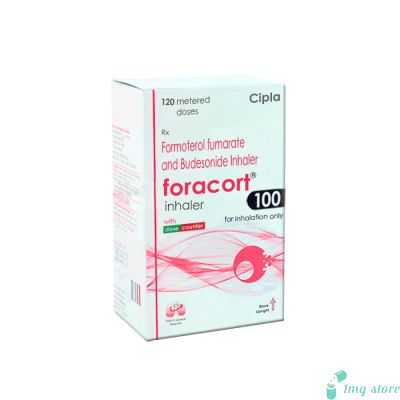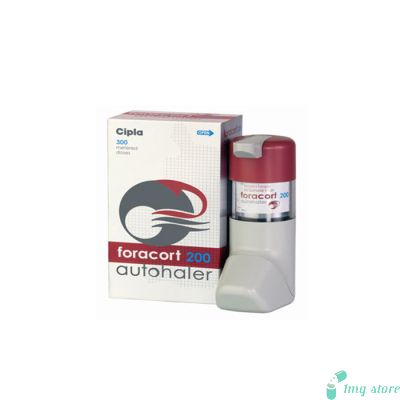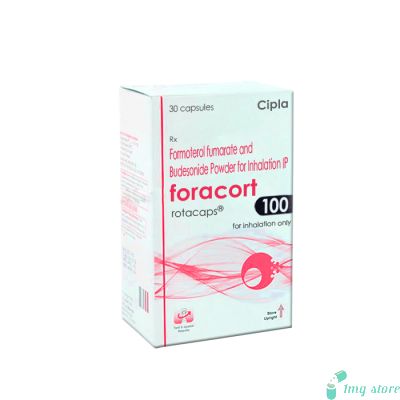
Foracort Forte Inhaler (Budesonide + Formoterol) for Asthma and COPD Symptom Management
Foracort Forte Inhaler contains Budesonide and Formoterol, which help reduce airway inflammation and relax the airway muscles. It is used to manage asthma and COPD symptoms, making breathing easier.


Product Overview
Foracort Forte Inhaler is a combination medicine used to manage respiratory conditions such as asthma and chronic obstructive pulmonary disease (COPD). It contains two active ingredients, Budesonide and Formoterol, which work together to improve breathing. Budesonide helps reduce inflammation and swelling in the airways, while Formoterol relaxes the muscles around the airways, making it easier for air to flow into the lungs.
With regular use as prescribed, Foracort Forte Inhaler helps control respiratory symptoms such as wheezing, coughing, chest tightness, and shortness of breath.
Medicine at a Glance
| Details | Description |
| Product Name | Foracort Forte Inhaler |
| Active Ingredients | Budesonide + Formoterol |
| Medicine Category | Combination Respiratory Medicine |
| Drug Class | Inhaled Corticosteroid + Long-Acting Beta-2 Agonist (LABA) |
| Dosage Form | Metered-Dose Inhaler |
| Route of Administration | Oral Inhalation |
| Main Purpose | Helps control airway inflammation and improve airflow |
| Common Uses | Asthma and COPD management |
How Does Foracort Forte Inhaler Work?
Foracort Forte Inhaler combines two ingredients that work in different ways to support better breathing:
- Budesonide: An inhaled corticosteroid that reduces inflammation, swelling, and irritation inside the airways.
- Formoterol: A long-acting bronchodilator that relaxes the muscles surrounding the airways, helping them remain open for easier airflow.
Together, these ingredients help manage respiratory symptoms and improve breathing control.
Key Benefits of Foracort Forte Inhaler
- Helps Control Asthma: Supports long-term management of asthma symptoms.
- Reduces Airway Inflammation: Budesonide helps reduce swelling and irritation in the respiratory tract.
- Improves Airflow: Formoterol helps relax tightened airway muscles.
- Helps Manage Wheezing: Supports relief from wheezing associated with airway narrowing.
- Supports COPD Management: Helps control breathing difficulties associated with COPD when prescribed.
How to Use Foracort Forte Inhaler
Use the inhaler exactly as prescribed by your doctor. Follow the correct inhalation technique to ensure the medicine reaches your lungs. Rinse your mouth with water and spit it out after each use to reduce the risk of oral fungal infections.
Important Information
- Use the inhaler regularly according to your prescribed schedule.
- Do not stop treatment without consulting your doctor.
- Do not use it as a rescue inhaler for sudden severe breathing difficulties unless specifically instructed by your doctor.
- Keep your inhaler clean and store it according to the product instructions.
- Seek medical advice if your breathing symptoms worsen or remain uncontrolled.
Precautions
Before using Foracort Forte Inhaler, keep the following precautions in mind to ensure safe and proper use:
Inform Your Doctor: Share your medical history, especially if you have heart problems, high blood pressure, diabetes, thyroid disorders, or liver conditions.
Check for Allergies: Tell your doctor if you are allergic to Budesonide, Formoterol, or any other ingredients in the inhaler.
Use Regularly: Follow the prescribed schedule and avoid stopping treatment suddenly without medical advice.
Rinse Your Mouth: Rinse your mouth with water and spit it out after each use to help prevent oral fungal infections.
Do Not Exceed the Dose: Using more inhalations than prescribed may increase the risk of side effects.
Not for Sudden Attacks: This inhaler is generally used for ongoing symptom control and should not replace your prescribed emergency treatment for sudden breathing difficulties.
Monitor Your Symptoms: Inform your doctor if wheezing, coughing, or breathlessness becomes worse or does not improve.
Pregnancy and Breastfeeding: Consult your healthcare professional before using this inhaler during pregnancy or breastfeeding.
Inform About Other Medicines: Mention other inhalers, heart medicines, or treatments you are currently taking.
Usage
Use as Prescribed: Foracort Forte Inhaler should be used according to your doctor's instructions. The number of inhalations depends on your condition and prescribed strength.
Follow the Correct Technique: Shake the inhaler if required, breathe out gently, place the mouthpiece between your lips, and inhale slowly while pressing the canister.
Maintain a Regular Schedule: Use the inhaler at the recommended times to help keep respiratory symptoms under control.
Rinse Your Mouth: Rinse your mouth with water and spit it out after each use to reduce the risk of oral fungal infections.
Do Not Exceed the Dose: Avoid taking extra puffs without medical advice.
Keep Track of Symptoms: Contact your doctor if coughing, wheezing, or breathlessness becomes worse.
Keep It Clean: Clean and store the inhaler according to the instructions provided with the product.
Uses
Foracort Forte Inhaler contains Budesonide and Formoterol, two ingredients that work together to manage breathing difficulties. Budesonide reduces inflammation in the airways, while Formoterol relaxes the muscles surrounding them, helping improve airflow.
Asthma Management: Helps control asthma symptoms such as coughing, wheezing, and chest tightness.
Chronic Obstructive Pulmonary Disease (COPD): Helps manage persistent breathing difficulties associated with COPD.
Airway Inflammation: Budesonide helps reduce swelling and irritation inside the airways.
Wheezing: Formoterol helps relax tightened airway muscles, reducing wheezing.
Shortness of Breath: Helps improve airflow and manage breathlessness associated with asthma and COPD.
Summary
Foracort Forte Inhaler combines an anti-inflammatory medicine and a long-acting bronchodilator to help manage respiratory conditions. Regular use as prescribed can support better breathing control and reduce symptoms such as wheezing, coughing, and breathlessness.
Side Effects
Foracort Forte Inhaler (Budesonide + Formoterol) may cause some side effects, although not everyone experiences them. Common side effects include:
Throat irritation or soreness
Cough after inhalation
Hoarseness or voice changes
Headache
Tremors or shakiness
Palpitations or a fast heartbeat
Oral thrush (fungal infection in the mouth)
Muscle cramps
When to Seek Medical Advice
Mouth or throat infection: White patches, soreness, or discomfort may indicate oral thrush.
Heart-related symptoms: Seek medical advice if you experience persistent palpitations or an unusually fast heartbeat.
Allergic reaction: Get urgent medical help for swelling of the face or throat, rash, or difficulty breathing.
Worsening breathing: Contact your healthcare provider if breathing problems become worse or the inhaler does not provide the expected relief.
Tip: Rinse your mouth with water and spit it out after each use to help reduce the risk of oral thrush and throat irritation.
FAQs
1. What is Foracort Forte Inhaler used for?
Foracort Forte Inhaler is used to manage respiratory conditions such as asthma and chronic obstructive pulmonary disease (COPD). It helps reduce airway inflammation and relax the muscles around the airways.
2. What are the active ingredients in Foracort Forte Inhaler?
It contains two active ingredients: Budesonide, a corticosteroid that reduces inflammation, and Formoterol, a long-acting bronchodilator that helps relax airway muscles.
3. Does Foracort Forte Inhaler provide immediate relief from breathing problems?
It is generally used for ongoing symptom control, not as an automatic replacement for a quick-relief inhaler during a sudden breathing attack. Follow your doctor's instructions for emergency relief.
4. Can Foracort Forte Inhaler be used daily?
Yes, it may be prescribed for regular daily use to manage asthma or COPD. Use it at the recommended times and do not change the dose without medical advice.
5. Should I rinse my mouth after using Foracort Forte Inhaler?
Yes. Rinse your mouth with water and spit it out after each use. This helps reduce the risk of oral thrush and throat irritation.
6. What are the common side effects of Foracort Forte Inhaler?
Common side effects may include throat irritation, cough, hoarseness, headache, tremors, palpitations, and oral thrush. Contact your healthcare provider if these symptoms persist or become troublesome.
7. Can Foracort Forte Inhaler be used for children?
It may be prescribed to children in certain situations, depending on their age, condition, and prescribed strength. A healthcare professional should determine the appropriate dose and monitor its use.
Interactions
Foracort Forte Inhaler contains Budesonide and Formoterol, which may interact with certain medicines and affect how the treatment works. Inform your doctor about all prescription medicines, inhalers, and supplements you currently use.
| Interaction Type | Guidance |
| Other Bronchodilators | Using additional airway-opening medicines may increase the risk of side effects such as tremors or a fast heartbeat. |
| Beta-Blockers | Medicines such as Propranolol may reduce the effect of Formoterol and sometimes worsen breathing difficulties. |
| Antifungal Medicines | Medicines such as Ketoconazole and Itraconazole may increase Budesonide levels in the body. |
| Antibiotics | Certain antibiotics, such as Clarithromycin, may affect the breakdown of Budesonide. |
| Diuretics | Some water tablets may increase the risk of low potassium levels when combined with Formoterol. |
| Heart Rhythm Medicines | Certain medicines used for irregular heartbeats may increase the risk of heart rhythm problems. |
| Other Corticosteroids | Using additional steroid medicines may increase overall corticosteroid exposure. |
Important: Not all medicine combinations are unsuitable, but some may require dose adjustments or monitoring. Always consult your healthcare professional before combining Foracort Forte Inhaler with other treatments.
| Manufacturer | : | Cipla Pharma, India |
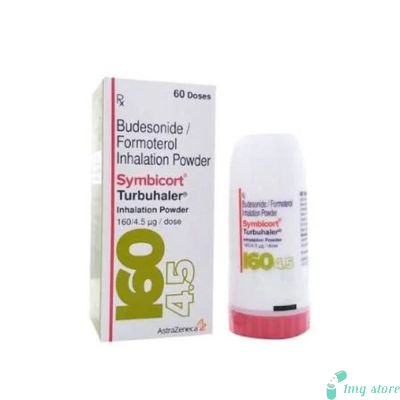
| Equivalent Brand | : | Symbicort |
| Generic Search | : | Budesonide + Formoterol Fumarate |
Latest Products