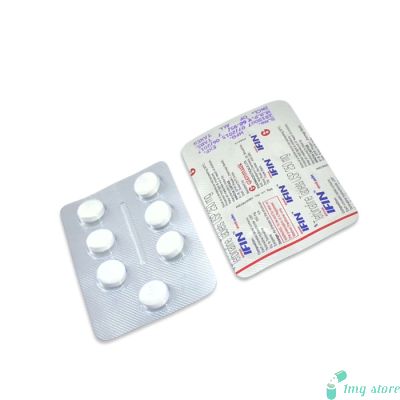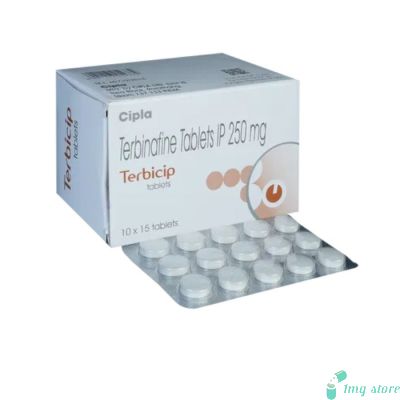
Terbiface Tablet (Terbinafine) | For Fungal Infections, Dermatophyte Infections, and Skin & Nail Fungal Infection Management


Product Overview
What Is Terbiface Tablet?
Terbiface 250mg Tablet contains terbinafine 250mg, an antifungal medicine used to help manage certain fungal infections affecting the skin and nails. It belongs to the allylamine group and works directly against susceptible fungi.
How Does Terbiface Tablet Work?
Terbinafine interferes with the production of ergosterol, an important component of fungal cell membranes. This action disrupts fungal growth and helps control the infection.
What Is Terbiface Tablet Used For?
Terbiface may be used for certain fungal infections of the fingernails, toenails, and skin, including some dermatophyte infections such as ringworm. The exact use depends on the type, location, and extent of the fungal infection.
Key Product Information
| Product Detail | Information |
| Product Name | Terbiface 250mg Tablet |
| Active Ingredient | Terbinafine |
| Strength | 250mg, 500mg |
| Medicine Type | Antifungal |
| Dosage Form | Tablet |
| Main Action | Helps control fungal growth |
| Common Uses | Certain fungal infections of skin and nails |
| Storage | Follow the instructions on the product packaging |
How Does Terbiface Help With Nail Infections?
Terbinafine tablets are specifically used for certain fungal nail infections. Because nails grow slowly, visible improvement may take time even after fungal growth has been controlled. The official labeling notes that the full nail-related effect can become apparent months after treatment has finished.
Terbiface for Skin Fungal Infections
Oral terbinafine may also be used for certain dermatophyte-related skin infections when oral treatment is considered appropriate based on the location, extent, or severity of the condition. Examples include certain forms of tinea corporis, tinea cruris, and tinea pedis.
Important Information
Before starting oral terbinafine, healthcare professionals generally consider the person's liver health. People with chronic or active liver disease should not use oral terbinafine tablets. It is also important to mention other medicines being used because terbinafine can interact with certain medicines.
Overall Summary
Terbiface 250mg Tablet is an oral antifungal containing terbinafine. Its primary role is to help manage certain fungal infections of the nails and skin. Consistent use according to the recommended treatment plan is important, while nail-related changes may take several months to become noticeable.
Precaution
1. Liver Health
People with chronic or active liver problems should not use oral terbinafine tablets. Liver function is generally checked before treatment and may be monitored during use.
2. Previous Allergy
Tell a healthcare professional if you have previously had an allergic reaction to terbinafine or any ingredient in the tablet.
3. Taste or Smell Changes
Terbinafine can sometimes affect taste or smell. Inform a healthcare professional if you notice a significant or persistent change.
4. Other Medicines
Tell your healthcare professional about all medicines and supplements you use. Terbinafine can affect the way some medicines are processed in the body.
5. Kidney Health
If you have reduced kidney function, discuss it with a healthcare professional before using Terbiface Tablet, as oral terbinafine has not been adequately studied in some people with reduced kidney function.
6. Unusual Skin Changes
If a new or rapidly worsening skin reaction develops while taking terbinafine, seek medical advice promptly.
Usage
1. Take as Directed
Take Terbiface Tablet exactly according to the recommended schedule. The dose and treatment duration depend on the type of fungal infection being managed.
2. Take It Regularly
Terbinafine tablets are commonly taken once daily for certain fungal nail infections. Taking the tablet around the same time each day can help maintain a consistent routine.
3. With or Without Food
Terbiface Tablet can generally be taken with or without food. Swallow the tablet with water.
4. Follow the Full Treatment Period
Continue the treatment for the recommended duration. Nail infections may require several weeks of treatment, while visible nail improvement can take several months because healthy nail needs time to grow.
5. If You Miss a Dose
Take the missed dose when you remember, unless it is close to the next scheduled dose. Avoid taking two doses together.
Uses
Side Effects
Terbiface 250mg Tablet contains terbinafine. Some people may experience temporary side effects while using it. These effects can vary from person to person.
1. Headache
A mild headache may occur during treatment and is usually temporary.
2. Stomach Discomfort
Some people may experience stomach pain, indigestion, bloating, or general abdominal discomfort.
3. Nausea
A feeling of nausea can occur while taking Terbiface Tablet. Taking the tablet as directed may help maintain a regular routine.
4. Diarrhea
Loose stools or diarrhea may occur in some people. If it continues or becomes significant, seek professional advice.
5. Skin Rash
A mild skin rash or itching may occasionally develop. Inform a healthcare professional if it becomes severe or continues.
6. Taste Changes
Terbinafine can sometimes cause changes in taste. Persistent or noticeable taste changes should be discussed with a healthcare professional.
7. Smell Changes
Changes in the sense of smell can occur less commonly. Seek advice if the change is significant or does not improve.
8. Liver-Related Changes
Rarely, oral terbinafine can affect liver function. Unusual tiredness, loss of appetite, yellowing of the skin or eyes, or dark urine should be reported promptly.
FAQs
1. What is Terbiface Tablet used for?
Terbiface 250mg Tablet is used to help manage certain fungal infections affecting the skin and nails.
2. How does Terbiface Tablet work?
It contains terbinafine, which helps stop the growth of fungi by affecting their cell membrane.
3. How long does Terbiface take to work?
The time can vary depending on the type and location of the fungal infection. Nail-related changes may take longer to become noticeable.
4. Can Terbiface be used for nail infections?
Yes, oral terbinafine is commonly used for certain fungal nail infections.
5. Can Terbiface be taken with food?
Terbinafine tablets can generally be taken with or without food.
6. What if I miss a Terbiface dose?
Take the missed dose when remembered unless the next dose is close. Do not take two doses together.
7. Can Terbiface interact with other medicines?
Yes. Terbinafine can interact with certain medicines, so inform a healthcare professional about your regular medicines and supplements.
Interactions
1. Medicines Processed by CYP2D6
Terbinafine can affect the CYP2D6 enzyme, which processes several medicines, including some antidepressants, beta-blockers, and heart-rhythm medicines. Monitoring may be needed when they are used together.
2. Fluconazole
Fluconazole can increase the amount of terbinafine in the body. Inform a healthcare professional if both medicines are being considered together.
3. Rifampin
Rifampin can increase the clearance of terbinafine, which may change its level in the body. Professional guidance may be needed when using both medicines.
4. Cimetidine
Cimetidine can reduce the clearance of terbinafine and may increase its exposure. Mention its use before starting Terbiface Tablet.
5. Warfarin
Changes in prothrombin time have been reported in people taking oral terbinafine with warfarin, although a direct cause has not been established. Appropriate monitoring may be considered.
| Manufacturer | : | Healing Pharma India Pvt Ltd. |
| Equivalent Brand | : | Lamisil |
| Generic Search | : | Terbinafine |
Latest Products