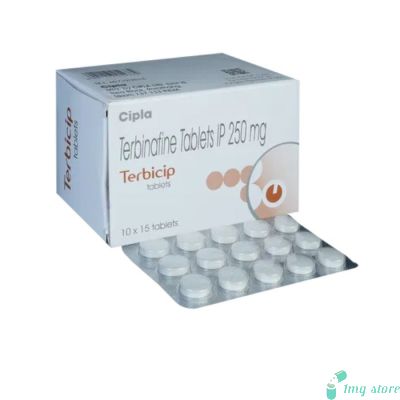
Tebina Tablet (Terbinafine): Antifungal Tablet | For Fungal Infections, Skin & Nail Infection Management
Tebina Tablet contains terbinafine, an antifungal medicine used to treat certain fungal infections affecting the skin and nails. It works by interfering with the formation of the fungal cell membrane, helping control fungal growth.


Product Overview
Introduction
Tebina Tablet is an antifungal medicine containing terbinafine as its active ingredient. It is used to treat certain fungal infections, particularly those affecting the skin and nails. Fungal infections can develop when fungi grow on the body's surface or within nail tissue, causing changes such as itching, scaling, redness, or nail discolouration.
Terbinafine works by interfering with the production of ergosterol, an essential component of the fungal cell membrane. This action disrupts fungal growth and helps the body clear the infection.
How Tebina Tablet Works
Terbinafine blocks an enzyme called squalene epoxidase, which fungi need to produce ergosterol. Ergosterol helps maintain the structure and function of the fungal cell membrane.
When this process is disrupted, an essential component of the fungal cell membrane becomes depleted, while squalene accumulates inside the fungal cell. These changes help stop fungal growth and can lead to the elimination of susceptible fungi.
Role in Fungal Infection Management
Tebina Tablet may be used for specific fungal infections involving the skin and nails. The suitability of oral terbinafine depends on the type of fungus, the location of the infection, and its severity.
Skin infections: Terbinafine may be used for certain fungal conditions affecting areas such as the feet, groin, and body.
Nail infections: Oral terbinafine is used for certain fungal nail infections that can cause thickening, brittleness, discolouration, or changes in nail shape.
Targeted antifungal action: Terbinafine is particularly active against dermatophytes, a group of fungi responsible for many common skin and nail infections.
Absorption and Action in the Body
After oral administration, terbinafine is absorbed into the bloodstream and distributed to different body tissues. It accumulates in the skin and nails, allowing it to act against susceptible fungi in these areas.
Because nails grow slowly, improvement in fungal nail infections may take several months to become fully visible, even after the treatment course has ended. The time required for improvement varies according to the affected area and the extent of the infection.
Treatment Duration and Response
The duration of treatment with Tebina Tablet depends on the infection being treated. Some skin infections require a shorter course, while fungal nail infections may need a longer treatment period.
Visible improvement may not occur immediately because the affected skin or nail tissue needs time to recover. Following the recommended treatment schedule is important for achieving the intended result.
Important Product Information
Tebina Tablet should be identified by its active ingredient and strength, as these details help distinguish the exact formulation. The appropriate treatment plan depends on the diagnosis, the affected area, and individual health factors. Oral terbinafine may also require assessment of liver health before treatment, based on clinical guidance.
Summary
Tebina Tablet contains terbinafine, an antifungal medicine that works by blocking ergosterol production in fungal cells. It is used for selected fungal infections of the skin and nails, with the treatment duration depending on the infection and its severity. Confirming the tablet strength and following appropriate medical guidance help ensure its correct use.
Precaution
1. Liver Health
Inform your healthcare professional about any liver-related conditions before using Tebina Tablet, as terbinafine can affect liver function.
2. Existing Medical Conditions
Share details of your medical history to help determine whether oral terbinafine is suitable for you.
3. Pregnancy and Breastfeeding
Seek professional guidance before using Tebina Tablet during pregnancy or breastfeeding.
4. Other Medicines
Inform your healthcare professional about all medicines and supplements you take to help prevent potential interactions.
5. Follow the Recommended Course
Take Tebina Tablet according to the recommended directions. Do not change the dose or stop treatment without appropriate guidance.
6. Monitor Unusual Changes
Seek medical advice if you notice yellowing of the skin or eyes, dark urine, persistent nausea, or unusual tiredness.
7. Allergic Reactions
Stop taking the medicine and seek urgent medical help if you experience facial swelling, breathing difficulties, or a severe skin reaction.
8. Proper Storage
Store Tebina Tablet according to the packaging instructions, away from excessive heat and moisture, and out of children's reach.
Usage
Tebina Tablet contains terbinafine, an antifungal medicine used for certain fungal infections of the skin and nails. It works by interfering with the production of ergosterol, a substance fungi need to maintain their cell membranes.
How to Take Tebina Tablet
Take Tebina Tablet by mouth according to your healthcare professional's instructions. Follow the recommended dose and treatment duration for the specific fungal infection.
Follow the Recommended Course
Continue the treatment for the advised duration, even if symptoms begin to improve. Stopping too early may affect treatment results.
With or Without Food
Oral terbinafine tablets can generally be taken with or without food. Follow the directions provided with your specific formulation.
If You Miss a Dose
Follow the product instructions or ask a healthcare professional for advice. Do not take an extra dose to make up for a missed one.
Uses
Tebina Tablet contains terbinafine, an antifungal medicine used to treat certain fungal infections. It works by interfering with the production of ergosterol, an essential component of the fungal cell membrane.
1. Treatment of Fungal Skin Infections
Tebina Tablet may be used for certain fungal skin infections, including ringworm and athlete’s foot, when oral treatment is appropriate.
2. Treatment of Fungal Nail Infections
Oral terbinafine is used to treat fungal infections of the fingernails and toenails, which can cause thickening, brittleness, and discolouration.
3. Control of Fungal Growth
Terbinafine disrupts an important process in fungal cells, helping stop the growth of susceptible fungi.
4. Treatment of Persistent Infections
Healthcare professionals may recommend oral terbinafine for certain infections that do not respond adequately to topical antifungal treatments.
5. Support for Healthy Skin and Nail Recovery
As the fungal infection clears, affected skin or nails can gradually recover. Nail improvement may take several months because nails grow slowly.
Important: Tebina Tablet should be used for the specific fungal infection identified by a healthcare professional. The appropriate treatment depends on the infection type and its severity.
Side Effects
Tebina Tablet contains terbinafine, an antifungal medicine used to treat certain fungal infections of the skin and nails. Like other medicines, it may cause side effects in some people. The effects can vary depending on individual response and treatment duration.
1. Digestive Discomfort
Some people may experience nausea, stomach discomfort, diarrhoea, or indigestion while taking Tebina Tablet. Taking the tablet according to the product instructions may help with tolerability.
2. Headache
Headache may occur during treatment with terbinafine. If it persists or becomes severe, seek medical advice.
3. Changes in Taste
Terbinafine can sometimes cause changes in taste or a reduced ability to taste food. Contact a healthcare professional if these changes persist or affect eating.
4. Skin Rash or Itching
Some people may develop a skin rash or itching. Seek medical advice if a rash develops, especially if it spreads or worsens.
5. Muscle or Joint Discomfort
Muscle aches and joint pain may occur in some people during treatment. Report persistent or unusual discomfort to a healthcare professional.
6. Liver-Related Symptoms
Rarely, terbinafine can cause liver problems. Seek prompt medical assessment if you notice yellowing of the skin or eyes, dark urine, pale stools, persistent nausea, or unusual tiredness.
7. Serious Allergic Reactions
Severe allergic reactions are uncommon but can occur. Get urgent medical help if you experience difficulty breathing, swelling of the face or throat, or a severe skin reaction.
8. When to Seek Medical Advice
Contact a healthcare professional if side effects persist, worsen, or interfere with daily activities. Do not ignore unusual symptoms during treatment.
Important: The side effects listed above are associated with oral terbinafine. Follow the product instructions and seek medical guidance if you experience unexpected symptoms.
FAQs
1. What is Tebina Tablet used for?
Tebina Tablet contains terbinafine, an antifungal medicine used to treat certain fungal infections of the skin and nails.
2. How does Tebina Tablet work?
It blocks the production of ergosterol, a substance essential for maintaining the fungal cell membrane.
3. How should Tebina Tablet be taken?
Take it according to the directions provided by your healthcare professional for your specific infection.
4. How long does Tebina Tablet take to work?
Improvement depends on the infection. Nail infections may take several months to show visible recovery.
5. Can Tebina Tablet interact with other medicines?
Yes, terbinafine can interact with certain medicines. Share your current medication list with your healthcare professional.
6. Can Tebina Tablet be taken with food?
Oral terbinafine tablets can generally be taken with or without food. Follow the instructions provided with your product.
7. What precautions are important when taking Tebina Tablet?
Inform your healthcare professional about liver conditions, other medicines, and any unusual symptoms during treatment.
8. How should Tebina Tablet be stored?
Store it according to the packaging instructions, away from excessive heat and moisture, and out of children's reach.
Interactions
1. Interaction with Antidepressants
Terbinafine may affect the breakdown of certain antidepressants in the body. Inform your healthcare professional about any medicines you take for mood-related conditions.
2. Interaction with Heart Medicines
Some medicines used for heart conditions may interact with terbinafine. Share your current medication list before starting treatment.
3. Interaction with Antibiotics
Certain antibiotics, such as rifampicin, can affect terbinafine levels in the body. Professional guidance may be needed when using them together.
4. Interaction with Other Antifungal Medicines
Inform your healthcare professional if you are using other antifungal treatments to help determine the appropriate combination.
5. Interaction with Herbal Products and Supplements
Tell your healthcare professional about vitamins, herbal products, and supplements you take, as some may affect how medicines work.
6. Interaction with Caffeine
Terbinafine may slow caffeine breakdown in the body in some people. Monitor unusual effects after consuming caffeine and seek advice if needed.
7. Alcohol Consumption
Discuss alcohol consumption with your healthcare professional, particularly because oral terbinafine can affect liver function.
Important: Share your complete medication list before using Tebina Tablet to help identify potential interactions and support safe treatment.
| Manufacturer | : | Intas Pharma, India |
| Equivalent Brand | : | Lamisil |
| Generic Search | : | Terbinafine HCl |
Latest Products