Glucobay Tablet (Acarbose) | Used to Manage Blood Sugar Levels in Type 2 Diabetes
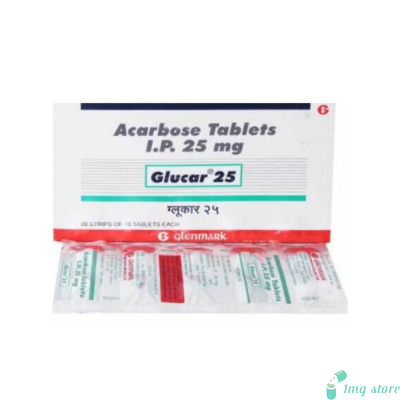
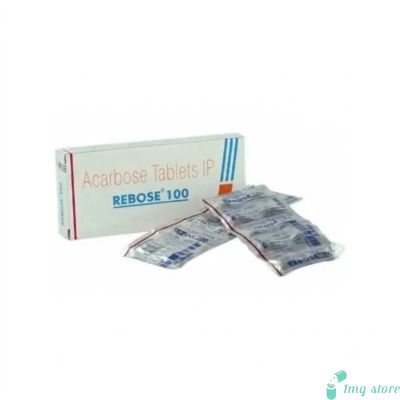
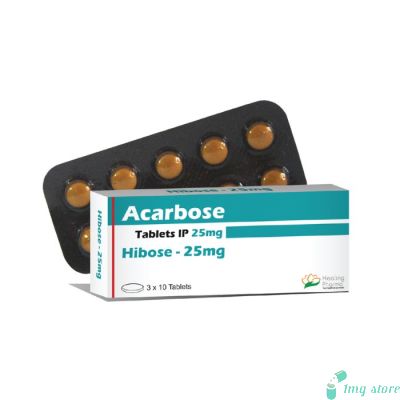
Glucobay Tablet contains Acarbose, an oral antidiabetic medicine used along with diet and exercise to improve blood-glucose control in adults with type 2 diabetes mellitus. It works mainly in the intestine by slowing the digestion of carbohydrates, helping reduce the rise in blood sugar that occurs after meals.


Product Overview
Glucobay Tablet contains Acarbose, which belongs to a group of medicines called alpha-glucosidase inhibitors. It is used as an addition to an appropriate diet and exercise program for managing blood glucose in people with type 2 diabetes.
Acarbose acts inside the digestive tract and slows the breakdown of complex carbohydrates into absorbable sugars. This helps reduce the rapid increase in blood glucose after eating. It can be used alone or together with other diabetes medicines when additional blood-glucose control is required.
Glucobay is available as 50 mg and 100 mg tablets. The tablet should generally be taken with the first mouthful of a meal or immediately before a meal, according to the prescribed instructions.
Key Points
- Contains Acarbose
- Belongs to the alpha-glucosidase inhibitor class
- Used for type 2 diabetes mellitus
- Helps control the rise in blood sugar after meals
- Works mainly within the digestive tract
- Available in 50 mg and 100 mg strengths
- Used along with appropriate diet and exercise
- May be used alone or with other diabetes medicines
- Oral tablet for adults
Product Information
| Product Information | Details |
| Product Name | Glucobay Tablet |
| Generic Name | Acarbose |
| Drug Class | Alpha-Glucosidase Inhibitor |
| Dosage Form | Tablet |
| Strengths | 50 mg, 100 mg |
| Route | Oral |
Main Use | Type 2 Diabetes Mellitus |
How It Works
Acarbose inhibits intestinal enzymes involved in the breakdown of complex carbohydrates. As a result, carbohydrate digestion is slowed and glucose is absorbed more gradually.
This reduces the rapid increase in blood glucose that can occur after meals. Acarbose therefore has its main action within the gastrointestinal tract rather than directly stimulating the pancreas to release insulin.
Precaution
1. Follow the Prescribed Dose
Take Glucobay exactly as directed by your healthcare professional. The dose may be adjusted according to blood-glucose control and tolerance.
2. Take With Meals
Acarbose is intended to be taken with the beginning of a meal because its action is related to carbohydrate digestion during eating.
3. Monitor Blood Glucose
Regular blood-glucose monitoring may be recommended, particularly when Glucobay is used with other antidiabetic medicines.
4. Risk of Hypoglycemia With Combination Therapy
Acarbose alone generally does not cause hypoglycemia. However, when combined with insulin or sulfonylureas, the risk of low blood sugar can increase.
5. Use Glucose for Hypoglycemia
If hypoglycemia occurs while taking acarbose, glucose/dextrose should be used for rapid correction rather than ordinary table sugar (sucrose), because acarbose inhibits the breakdown of sucrose.
6. Kidney Problems
Tell your healthcare professional if you have kidney disease. Significant renal impairment requires particular consideration, and treatment is not recommended in patients with significant renal dysfunction according to U.S. labeling.
7. Liver Disease
Inform your doctor if you have liver disease. Acarbose is contraindicated in patients with cirrhosis according to U.S. labeling.
8. Digestive or Intestinal Disorders
Tell your healthcare professional if you have inflammatory bowel disease, intestinal obstruction, chronic intestinal disease, or other significant digestive disorders. These conditions can make acarbose unsuitable.
Usage
- Take Glucobay exactly according to the prescribed schedule.
- It should generally be taken with the first mouthful of a meal or immediately before eating.
- The dose is individualized according to blood-glucose response and tolerance.
- Treatment is normally started at a lower dose and increased gradually when appropriate to reduce digestive side effects.
- Do not change the dose or stop treatment without medical advice.
Uses
1. Type 2 Diabetes
Glucobay is used to improve blood-glucose control in adults with type 2 diabetes.
2. Post-Meal Blood Sugar Control
It helps reduce the rapid rise in blood glucose that occurs after carbohydrate-containing meals.
3. Diabetes With Diet and Exercise
It is used together with an appropriate diet and exercise program as part of diabetes management.
4. Combination Diabetes Therapy
Acarbose may be used with other antidiabetic medicines, including metformin, sulfonylureas, or insulin, when prescribed.
5. Additional Glycemic Control
It may be added when blood-glucose levels remain inadequately controlled with an existing treatment plan.
Side Effects
Common Side Effects
- Flatulence
- Abdominal bloating
- Abdominal discomfort or pain
- Diarrhea
- Increased intestinal gas
- Digestive discomfort
- Nausea
Serious Side Effects
Seek prompt medical attention for:
- Severe allergic reaction
- Significant or persistent abdominal pain
- Severe digestive symptoms
- Signs of intestinal obstruction
- Severe hypoglycemia, particularly when used with insulin or sulfonylureas
- Significant liver-related symptoms such as yellowing of the skin or eyes
FAQs
1. What is Glucobay Tablet?
Glucobay is an oral antidiabetic medicine containing Acarbose. It is used with diet and exercise to improve blood-glucose control in type 2 diabetes.
2. What is the generic name of Glucobay?
The generic name is Acarbose.
3. What is Glucobay used for?
It is used to improve blood-glucose control in adults with type 2 diabetes, particularly by reducing the rise in blood sugar after meals.
4. What strengths of Glucobay are available?
Glucobay is available in 50 mg and 100 mg tablet strengths in documented product information.
5. How does Glucobay work?
It slows the digestion of carbohydrates in the intestine, which reduces the rapid rise in blood glucose after meals.
6. When should Glucobay be taken?
It should generally be taken with the first mouthful of a meal or immediately before eating, as directed by the prescriber.
7. Can Glucobay cause low blood sugar?
Acarbose alone generally does not cause hypoglycemia. The risk can increase when it is combined with insulin or sulfonylureas.
8. What should I use if low blood sugar occurs while taking Glucobay?
Glucose or dextrose should be used for rapid treatment of hypoglycemia because acarbose interferes with the breakdown of sucrose.
9. What are the common side effects of Glucobay?
Common digestive effects include gas, bloating, abdominal discomfort, and diarrhea.
Interactions
1. Insulin and Sulfonylureas
Acarbose used with insulin or sulfonylureas can increase the risk of hypoglycemia. Dose adjustments may be necessary if low blood sugar occurs.
2. Metformin
Acarbose can be used with metformin. Available labeling reports little clinically significant interaction, although acarbose may modestly reduce the peak concentration of metformin.
3. Digoxin
Acarbose can alter digoxin bioavailability and may require monitoring or adjustment of the digoxin dose.
4. Digestive Enzyme Preparations
Preparations containing carbohydrate-splitting enzymes such as amylase or pancreatin may reduce the effect of acarbose and should not generally be taken together.
5. Intestinal Adsorbents
Medicines or products such as activated charcoal may reduce the effect of acarbose.
6. Corticosteroids
Corticosteroids may increase blood glucose and potentially reduce glycemic control, requiring closer monitoring.
7. Diuretics and Other Medicines Affecting Blood Sugar
Thiazide and other diuretics, thyroid products, estrogens, phenytoin, sympathomimetics, calcium-channel blockers, and some other medicines may affect glucose control.
8. Other Medicines and Supplements
Tell your healthcare professional about all medicines, vitamins, herbal products, and supplements you take before starting Glucobay.
| Manufacturer | : | Sun Pharmaceutical Industries Ltd. |
| Equivalent Brand | : | Precose |
| Generic Search | : | Acarbose |
Latest Products