Glizid Tablet (Gliclazide) | For Type 2 Diabetes Mellitus, Blood Sugar Control
Glizid Tablet contains gliclazide, an oral medicine used to help manage blood glucose levels in adults with type 2 diabetes. It belongs to the sulfonylurea group and works by stimulating insulin release from the pancreas.


Product Overview
Glizid Tablet contains gliclazide as its active ingredient in the 40 mg and 80 mg formulations. It belongs to a group of medicines called sulfonylureas and helps manage blood glucose levels in adults with type 2 diabetes. The exact composition may vary across Glizid product variants, so check the product packaging to confirm the formulation.
What Is Glizid Tablet?
Glizid Tablet is an oral medicine that helps the body regulate blood glucose. Gliclazide works by stimulating the pancreas to release more insulin, which helps lower elevated glucose levels.
How Does Glizid Tablet Work?
Gliclazide supports insulin release from pancreatic beta cells. Insulin helps move glucose from the bloodstream into body tissues, where it can be used for energy. This action supports blood glucose management in people with type 2 diabetes.
Key Features of Glizid Tablet
Active ingredient: Gliclazide in standard Glizid formulations.
Medicine group: Sulfonylureas.
Dosage form: Oral tablet.
Main role: Supports blood glucose control in adults with type 2 diabetes.
Treatment approach: May be used alongside dietary changes and regular physical activity as part of an overall diabetes management plan.
Glizid Tablet and Daily Diabetes Management
Managing type 2 diabetes often involves a combination of medication, balanced meals, regular physical activity, and glucose monitoring. Glizid Tablet supports this process by helping the body release insulin. The dose and timing depend on the specific formulation and individual treatment plan.
Glizid Tablet Formulations and Strengths
Glizid is available in different product variants. Understanding the difference helps ensure the information matches the correct tablet.
| Product variant | Composition |
| Glizid 40 mg | Gliclazide 40 mg |
| Glizid 80 mg | Gliclazide 80 mg |
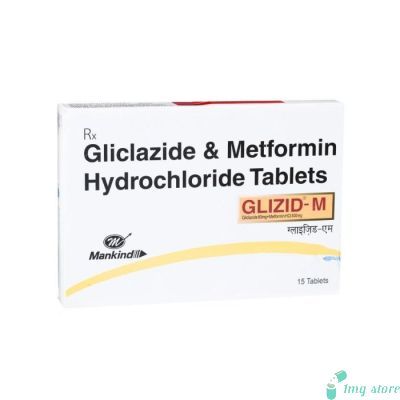
| Glizid-M | Gliclazide with metformin; strengths vary |
| Glizid-MV | Gliclazide, metformin, and voglibose in the listed combination formulation |
These variants are not interchangeable based on the brand name alone. Always verify the strength and ingredients printed on the pack.
Note: Glizid, Glizid-M, and Glizid-MV are different product variants with potentially different ingredients. Confirm the exact product name and composition on the packaging before using product-specific information.
Precaution
Glizid Tablet contains gliclazide in its standard formulation and helps manage blood glucose levels in adults with type 2 diabetes. Follow these precautions to support safe and consistent use.
1. Monitor Blood Glucose
Check blood glucose levels regularly as advised to understand how the medicine is working.
2. Maintain Regular Meals
Avoid skipping or delaying meals, as gliclazide may cause blood glucose levels to drop too low.
3. Follow the Recommended Dose
Take Glizid Tablet according to the advised schedule. Do not change the dose on your own.
4. Watch for Low Blood Glucose
Sweating, shaking, dizziness, unusual hunger, or confusion may indicate low blood glucose. Follow your recommended management plan and seek help if symptoms are severe.
5. Inform About Kidney or Liver Problems
Tell your healthcare professional about any kidney or liver conditions, as these may affect the safe use of gliclazide.
8. Be Careful With Alcohol
Alcohol may affect blood glucose control and increase the risk of unexpected changes. Ask your healthcare professional whether you should avoid it.
9. Take Care While Driving
If you feel dizzy, shaky, or confused, do not drive or operate machinery until you are well and your blood glucose is stable.
Important: Glizid-M and Glizid-MV may contain additional ingredients. Always confirm the exact product formulation on the pack before applying these precautions.
Usage
Glizid Tablet contains gliclazide in its standard formulation and helps manage blood glucose levels in adults with type 2 diabetes. Use it according to the instructions for your specific product and the guidance of your healthcare professional.
How to Take Glizid Tablet
Recommended dose: Follow the advised dose and schedule.
Timing: Take the tablet at the recommended time. Some formulations are taken with breakfast or another meal.
Method: Swallow the tablet with water. Do not crush or split it unless the product instructions allow it.
Regular meals: Avoid skipping meals, as gliclazide may cause low blood glucose.
Missed dose: Follow the product instructions and never take a double dose to make up for a missed one.
Monitoring: Check blood glucose as advised to track your response.
Uses
Glizid Tablet contains gliclazide in its standard formulation. It belongs to the sulfonylurea group of medicines and helps manage blood glucose levels in adults with type 2 diabetes.
1. Helps Manage Type 2 Diabetes
Glizid Tablet helps control elevated blood glucose levels in adults with type 2 diabetes.
2. Supports Insulin Release
Gliclazide stimulates the pancreas to release insulin, helping the body regulate glucose levels.
3. Helps Improve Blood Glucose Control
When used as directed, Glizid Tablet supports ongoing blood glucose management as part of an overall diabetes care plan.
4. Complements Lifestyle Changes
It can be used alongside balanced meals, regular physical activity, and routine glucose monitoring to support diabetes management.
Note: Glizid-M and Glizid-MV may contain additional ingredients. Check the exact product formulation on the packaging before using product-specific information.
Side Effects
Glizid Tablet contains gliclazide in its standard formulation and helps manage blood glucose levels in adults with type 2 diabetes. Some people may experience side effects, although not everyone will have them.
Common Effects
Low blood glucose: May cause sweating, shaking, dizziness, hunger, or confusion.
Nausea: Some people may experience a feeling of sickness.
Stomach discomfort: Mild abdominal discomfort may occur.
Headache: A headache may develop in some individuals.
- Weight gain: Some people may notice an increase in body weight.
How to Manage
Take Glizid Tablet according to the recommended instructions.
Avoid skipping meals, as this can increase the risk of low blood glucose.
Monitor blood glucose levels as advised.
Do not change the dose without professional guidance.
Contact a healthcare professional if symptoms persist or worsen.
Important: Low blood glucose is a key risk with gliclazide. If a person becomes unconscious or has a seizure, do not give food or drink by mouth; seek emergency medical help.
FAQs
1.What is Glizid Tablet used for?
Glizid Tablet contains gliclazide in its standard formulation and helps manage blood glucose levels in adults with type 2 diabetes.
2. What is the active ingredient in Glizid Tablet?
The standard Glizid Tablet contains gliclazide. Check the product packaging to confirm the exact formulation.
3. How does Glizid Tablet work?
It stimulates the pancreas to release insulin, helping lower elevated blood glucose levels.
4. Can Glizid Tablet be taken with food?
The timing depends on the formulation. Follow the instructions provided for your specific product.
5. What are the common side effects of Glizid Tablet?
Low blood glucose, nausea, and stomach discomfort may occur in some people.
6. What happens if a dose of Glizid Tablet is missed?
Follow the product instructions and do not take an extra dose to compensate for a missed one.
7. Can Glizid Tablet be taken with other diabetes medicines?
It may be combined with other medicines when advised by a healthcare professional, but the risk of low blood glucose may increase.
8. Can Glizid Tablet replace a healthy diet?
No. Balanced meals, regular physical activity, and glucose monitoring remain important for diabetes management.
Interactions
Glizid Tablet contains gliclazide in its standard formulation and helps manage blood glucose levels in adults with type 2 diabetes. Certain medicines, supplements, and alcoholic drinks may affect how gliclazide works or change blood glucose levels.
1. Other Diabetes Medicines
Combining gliclazide with insulin or other diabetes medicines may increase the risk of low blood glucose.
2. Antibiotics
Some antibiotics, including clarithromycin and sulfonamides, may increase gliclazide's blood glucose-lowering effect.
3. Antifungal Medicines
Medicines such as miconazole and fluconazole may interact with gliclazide. Miconazole can cause a significant drop in blood glucose and should not be combined with gliclazide without specialist guidance.
4. Blood Pressure and Heart Medicines
Certain medicines, including beta-blockers and ACE inhibitors, may affect blood glucose control or make low-glucose symptoms harder to recognise.
5. Pain Relief Medicines
Some pain relievers and anti-inflammatory medicines, such as ibuprofen, may increase gliclazide's effect in certain circumstances.
6. Steroid Medicines
Corticosteroids may raise blood glucose levels and reduce the effectiveness of diabetes management.
7. Herbal Supplements
St John's wort may affect blood glucose control and interact with gliclazide. Inform your healthcare professional about herbal products and supplements you use.
| Manufacturer | : | Panacea Biotech, India |
| Equivalent Brand | : | Zicron |
| Generic Search | : | Gliclazide |
Latest Products