Headset Tablet (Sumatriptan + Naproxen) | Used for Migraine Relief and Acute Attack Management
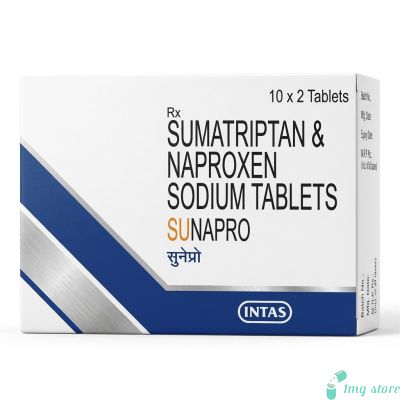
Headset Tablet contains sumatriptan and naproxen, two active ingredients commonly used together to provide relief from acute migraine attacks. Sumatriptan works by affecting serotonin receptors and helping narrow certain blood vessels associated with migraine, while naproxen is a non-steroidal anti-inflammatory medicine that helps reduce pain and inflammation.


Product Overview
What Is Headset Tablet?
Headset Tablet contains sumatriptan and naproxen, two active ingredients used together for the treatment of acute migraine attacks. Sumatriptan belongs to a group of medicines known as triptans and works on serotonin receptors involved in migraine. Naproxen is a non-steroidal anti-inflammatory medicine that helps reduce pain and inflammation. Together, these ingredients can help relieve migraine headache and associated symptoms.
How Does Headset Tablet Work?
Sumatriptan acts on specific serotonin receptors in the brain and helps reduce the abnormal blood-vessel changes associated with migraine. Naproxen helps decrease the production of substances involved in pain and inflammation. The combined action may provide relief from migraine headache and related symptoms during an acute attack.
| Product Information | Details |
| Product Name | Headset Tablet |
| Active Ingredients | Sumatriptan + Naproxen |
| Product Type | Acute Migraine Treatment |
| Dosage Form | Tablet |
| Main Uses | Acute migraine relief and associated migraine symptoms |
| Route | Oral |
What Is Headset Tablet Used For?
Headset Tablet is generally used to provide relief from acute migraine attacks, with or without certain associated symptoms. It is intended for use during a migraine episode rather than as a regular preventive treatment.
Acute Migraine Relief
The combination of sumatriptan and naproxen can help reduce migraine headache intensity and provide relief during an acute migraine attack.
Migraine-Related Symptoms
Headset Tablet may help improve symptoms that commonly accompany migraine, such as nausea and sensitivity to light or sound, as the headache responds to treatment.
Reducing Migraine Pain
Sumatriptan targets migraine-related serotonin pathways, while naproxen helps reduce pain and inflammation. Their combined action may provide more comprehensive relief during an acute migraine episode.
Managing Migraine Attacks
Headset Tablet is designed for use when a migraine attack occurs. It does not generally prevent future migraine attacks when taken regularly.
Precaution
Heart and Blood Vessel Conditions
Sumatriptan can affect blood vessels and may not be suitable for people with certain heart or circulation problems. Inform a healthcare professional about any history of heart disease, chest pain, stroke, or circulation disorders before using Headset Tablet.
High Blood Pressure
Sumatriptan may temporarily increase blood pressure in some people. People with uncontrolled high blood pressure should discuss its use with a healthcare professional before treatment.
Stomach and Intestinal Problems
Naproxen may irritate the stomach and increase the risk of ulcers or gastrointestinal bleeding. Inform a healthcare professional if you have a history of stomach ulcers, bleeding, or other digestive problems.
Kidney or Liver Conditions
People with kidney or liver problems should inform a healthcare professional before using Headset Tablet. Naproxen may affect kidney function, while liver function can influence how medicines are processed.
Other Migraine Medicines
Do not use Headset Tablet together with other triptan or ergotamine-containing medicines unless specifically advised. Combining these medicines may increase the risk of unwanted effects.
Blood-Thinning Medicines
Naproxen may increase the risk of bleeding when used with anticoagulants or antiplatelet medicines. Inform your healthcare professional about any medicines that affect blood clotting.
Pregnancy and Breastfeeding
If you are pregnant, planning pregnancy, or breastfeeding, discuss the suitability of Headset Tablet with a healthcare professional before use.
Alcohol Consumption
Alcohol may increase stomach irritation and the risk of gastrointestinal bleeding associated with naproxen. Avoid or limit alcohol while using Headset Tablet.
Allergic Reactions
Inform a healthcare professional if you have previously experienced an allergic reaction to sumatriptan, naproxen, aspirin, or other NSAIDs. Seek immediate medical attention if signs of a serious allergic reaction occur.
Long-Term or Frequent Use
Headset Tablet is intended for acute migraine treatment. Frequent use of medicines for acute headache may contribute to medication-overuse headaches. Follow the recommended dosing schedule and seek medical advice if migraine attacks occur frequently.
Usage
Follow the Recommended Dose
Take Headset Tablet according to the directions provided for acute migraine treatment. Follow the recommended dose and do not take more than directed.
Take With or Without Food
Headset Tablet may generally be taken with or without food. Taking it with food may help reduce stomach discomfort associated with naproxen in some people.
Swallow With Water
Swallow the tablet whole with sufficient water. Do not crush, chew, or split it unless specifically advised.
Take During an Acute Migraine Attack
Headset Tablet is generally used when a migraine attack occurs. It is intended to provide relief from an active migraine rather than for regular prevention.
Avoid Excessive Alcohol
Alcohol may increase dizziness or other unwanted effects and may also increase the risk of stomach irritation associated with naproxen. Avoid or limit alcohol while using Headset Tablet.
Do Not Exceed the Recommended Amount
Do not take additional doses more frequently than recommended. Avoid combining Headset Tablet with other sumatriptan-containing medicines or NSAIDs unless advised by a healthcare professional.
Uses
Acute Migraine Relief
Headset Tablet is used to relieve headache associated with acute migraine attacks.
Reducing Migraine Pain
The combination of sumatriptan and naproxen works through different mechanisms to help reduce migraine-related pain.
Migraine-Associated Symptoms
Treatment may help relieve symptoms that occur along with migraine, such as nausea and sensitivity to light or sound.
Relief During Migraine Attacks
Headset Tablet can be used during an active migraine episode to help reduce the intensity and duration of symptoms.
Combined Migraine Treatment
Sumatriptan targets serotonin pathways involved in migraine, while naproxen helps reduce pain and inflammation, providing complementary effects.
Managing Acute Migraine Episodes
Headset Tablet is intended for acute symptom management rather than long-term prevention of recurring migraine attacks.
Side Effects
Dizziness
Headset Tablet may cause dizziness or a feeling of light-headedness in some people. Avoid driving or activities requiring alertness if you experience these effects.
Nausea
Nausea may occur after taking Headset Tablet, particularly during a migraine attack. If nausea is severe or persistent, seek appropriate medical advice.
Tiredness
Some people may experience tiredness, fatigue, or reduced energy after taking sumatriptan and naproxen. If this becomes persistent or troublesome, consult a healthcare professional.
Sleepiness
Drowsiness or sleepiness may occasionally occur. Avoid operating machinery or performing activities requiring full alertness if you feel sleepy.
Stomach Discomfort
Naproxen may cause indigestion, stomach pain, heartburn, or other gastrointestinal discomfort. Taking the medicine as directed can help reduce the risk of stomach irritation.
Tingling or Sensations
Some people may experience temporary tingling, numbness, or unusual sensations, which can be associated with sumatriptan. Inform a healthcare professional if these symptoms are severe or persistent.
Injection-Like Sensation or Tightness
Sumatriptan may occasionally cause sensations of pressure, tightness, warmth, or heaviness, including in the chest, throat, neck, or jaw. Seek immediate medical attention if chest pain or tightness is severe, persistent, or accompanied by other concerning symptoms.
FAQs
What Is Headset Tablet?
Headset Tablet contains sumatriptan and naproxen, two active ingredients used together to provide relief from acute migraine attacks and associated symptoms.
What Is Headset Tablet Used For?
It is generally used to treat acute migraine attacks and help relieve migraine-related headache and symptoms such as nausea and sensitivity to light or sound.
How Does Headset Tablet Work?
Sumatriptan acts on specific serotonin receptors involved in migraine, helping reduce migraine-related blood-vessel changes. Naproxen helps reduce pain and inflammation. Together, they provide relief during an acute migraine attack.
Can Headset Tablet Prevent Migraine Attacks?
Headset Tablet is primarily intended for treating an acute migraine attack rather than preventing future migraine episodes. Regular preventive treatment may require a different approach.
Can Headset Tablet Cause Drowsiness?
Some people may experience dizziness, tiredness, or drowsiness after taking Headset Tablet. Avoid driving or operating machinery if you feel less alert.
Can Headset Tablet Cause Stomach Problems?
Naproxen may cause stomach irritation, indigestion, or discomfort in some people. Taking it as directed and informing a healthcare professional about any history of stomach ulcers or bleeding is important.
Interactions
Other Triptan Medicines
Using Headset Tablet with other triptan medicines used for migraine may increase the risk of unwanted effects. Avoid combining different triptans unless specifically advised by a healthcare professional.
Ergotamine-Containing Medicines
Ergotamine or ergot-related medicines may interact with sumatriptan and can increase the risk of blood-vessel constriction. These medicines should generally not be taken close together unless medically advised.
Antidepressants
Certain antidepressants, particularly selective serotonin reuptake inhibitors (SSRIs) and serotonin-norepinephrine reuptake inhibitors (SNRIs), may interact with sumatriptan and rarely increase the risk of serotonin syndrome. Inform a healthcare professional if you take antidepressants.
Medicines Affecting Bleeding
Naproxen may increase the risk of stomach or intestinal bleeding, particularly when combined with blood thinners, antiplatelet medicines, or other medicines that affect clotting. Tell your healthcare professional about these medicines before using Headset Tablet.
Other Pain-Relieving Medicines
Taking naproxen together with other non-steroidal anti-inflammatory medicines (NSAIDs), such as ibuprofen or diclofenac, may increase the risk of stomach irritation, ulcers, bleeding, and kidney-related problems. Avoid combining them unless advised.
Medicines for Blood Pressure
Some medicines used to manage high blood pressure may interact with naproxen. NSAIDs can also affect blood pressure control in some individuals, so inform your healthcare professional about your regular medicines.
Other Regular Medicines
Tell your healthcare professional about all prescription medicines, over-the-counter products, and supplements you use. This helps identify potential interactions and supports the appropriate use of Headset Tablet.
| Manufacturer | : | Lupin Ltd |
| Equivalent Brand | : | Treximet |
| Generic Search | : | Sumatriptan + Naproxen |
Latest Products