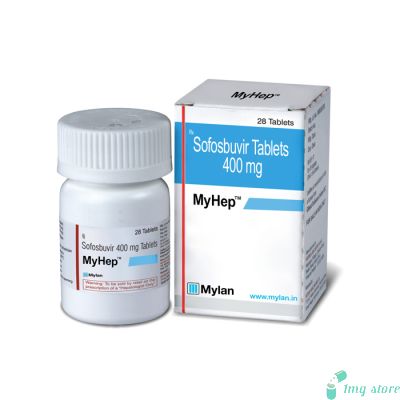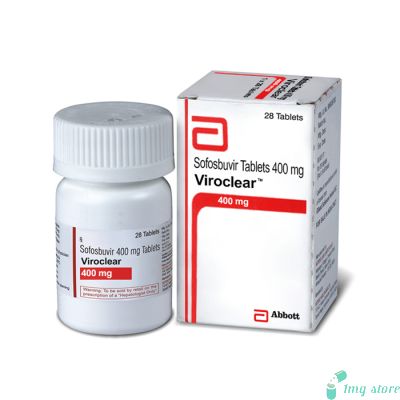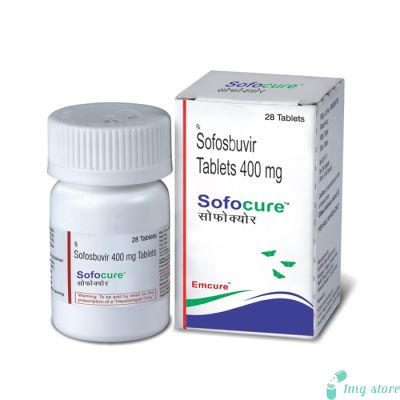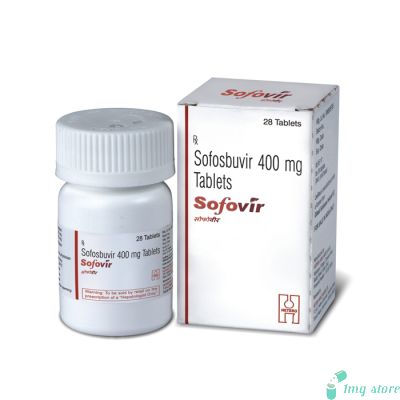
Hepcinat Tablet (Sofosbuvir): Antiviral Tablet | For Chronic Hepatitis C Infection Management
Hepcinat Tablet (Sofosbuvir), an antiviral medicine used to treat chronic hepatitis C, a viral infection that affects the liver. It works by blocking a protein the virus needs to multiply, helping reduce the amount of virus in the body. It is usually taken in combination with other antiviral medicines, to improve treatment outcomes.


Product Overview
Hepcinat Tablet contains sofosbuvir, an antiviral medicine used in combination with other medicines to treat chronic hepatitis C, a viral infection that affects the liver. It works by interfering with the virus's ability to multiply, helping reduce the amount of virus in the body. The treatment combination and duration depend on the type of hepatitis C infection, liver condition, and medical history.
How Does Hepcinat Tablet Work? (Pharmacodynamics)
Hepatitis C needs a specific enzyme called NS5B RNA-dependent RNA polymerase to make copies of its genetic material. Sofosbuvir blocks this enzyme, interrupting the virus's reproduction process. This helps reduce viral activity and supports the body's ability to clear the infection when the medicine is used as part of an appropriate treatment regimen.
Understanding Its Role in the Body
Hepcinat helps treat hepatitis C rather than simply managing its symptoms. When combined with the recommended antiviral medicines, it can help achieve a sustained virologic response, meaning the virus remains undetectable in the blood after treatment is completed. This is generally considered a cure for hepatitis C.
Expected Results
The amount of virus in the blood may fall during treatment, but you may not notice any immediate change in how you feel. A blood test after treatment checks whether the virus remains undetectable. Take the complete prescribed course even if you feel well.
Pharmacokinetics: How the Body Processes It
After taking Hepcinat Tablet, sofosbuvir is absorbed through the digestive system and converted inside the body into its active form.
Absorption: The medicine enters the bloodstream after oral administration.
Processing: It is activated inside cells, where it interferes with viral multiplication.
Elimination: Most of the medicine's inactive breakdown products are removed through the kidneys, while a smaller amount is eliminated through faeces.
Kidney function and other medicines may influence treatment decisions, so share your medical history with your healthcare professional.
Clinical Considerations
Liver health: Tell your doctor if you have cirrhosis, other liver problems, or a history of hepatitis B.
Kidney health: Inform your healthcare professional about kidney disease so the complete treatment regimen can be assessed appropriately.
Medicine interactions: Amiodarone may cause a dangerously slow heart rate when used with sofosbuvir-containing treatment. Certain seizure medicines, rifampicin, and St. John's wort can also affect treatment.
Other hepatitis C medicines: Sofosbuvir is generally used with other antiviral medicines. The combination depends on your infection and medical history.
Pregnancy considerations: If your regimen includes ribavirin, strict pregnancy-related precautions apply. Discuss pregnancy or plans to conceive with your specialist.
Safe use: Take the tablet as prescribed, do not stop treatment on your own, and attend recommended follow-up blood tests.
Storage Instructions
Store Hepcinat Tablets according to the package label, away from excessive heat, moisture, and direct sunlight. Keep them in their original packaging and out of reach of children.
Conclusion
Hepcinat Tablet helps stop hepatitis C from multiplying and can contribute to curing the infection when used in the correct treatment combination. Follow your specialist's instructions and complete the prescribed course for the best chance of successful treatment.
Precautions
Hepcinat Tablet (Sofosbuvir) requires careful use because its safety and effectiveness may depend on liver health, other medicines being taken, and the combination used to treat hepatitis C. Certain drug interactions can cause serious side effects or affect heart rhythm, making it important to review your medical history before starting treatment.
Before You Start
Discuss liver conditions: Inform your doctor if you have severe liver disease or any history of liver complications.
Mention kidney problems: Tell your doctor if you have kidney disease, as your overall health and treatment plan may require closer monitoring.
Check for hepatitis B: Inform your doctor if you have hepatitis B or are unsure of your status, as hepatitis B may reactivate during hepatitis C treatment.
Share your medication list: Mention all prescription medicines, over-the-counter products, and supplements you take, especially amiodarone and certain seizure medicines.
Pregnancy considerations: If Hepcinat is prescribed with ribavirin, discuss pregnancy precautions carefully, as ribavirin can cause serious harm to an unborn baby.
Previous treatment: Tell your doctor if you have previously received treatment for hepatitis C, as this may affect your treatment plan.
While Using It
Follow the prescribed combination: Take Hepcinat exactly as directed. Sofosbuvir is commonly used with other antiviral medicines, so do not use it alone unless specifically prescribed.
Avoid missed doses: Take your medicine regularly to support treatment effectiveness. Ask your doctor or pharmacist what to do if you miss a dose.
Check before adding medicines: Do not start new medicines or supplements without checking for interactions, particularly products that reduce stomach acid.
Watch your heartbeat: If you also take amiodarone, inform your doctor before starting treatment because the combination may cause a dangerously slow heartbeat.
Attend regular checkups: Your doctor may monitor liver function, hepatitis B status, and your response to treatment.
When to Seek Medical Help
Heart-related symptoms: Seek emergency care if you experience a very slow heartbeat, fainting, severe dizziness, chest discomfort, or shortness of breath, particularly if you take amiodarone.
Liver warning signs: Report yellowing of the skin or eyes, dark urine, or worsening abdominal swelling.
Severe allergic reactions: Seek immediate medical attention for facial swelling, breathing difficulties, or a severe skin reaction.
Unusual weakness: Contact your doctor if you develop persistent or worsening weakness, nausea, or other unexpected symptoms.
Note:
Hepcinat Tablet should be used under medical supervision and as part of an appropriate hepatitis C treatment regimen. Sofosbuvir can interact with certain medicines, and hepatitis B may reactivate during treatment. Never stop or change your antiviral treatment without consulting your doctor.
Usage
Follow the prescribed treatment plan: Take Hepcinat Tablet (Sofosbuvir) exactly as directed by your doctor. It is usually taken once daily, but the overall treatment plan depends on your condition and other prescribed medicines.
Take it consistently: Try to take the tablet at the same time each day. It can generally be taken with or without food.
Missed a dose? Follow the instructions provided by your healthcare professional or product leaflet. If you are unsure what to do, seek advice rather than taking an extra dose.
Check other medicines: Tell your doctor about all medicines and supplements you use, especially amiodarone, certain seizure medicines, rifampicin, and products containing St. John's wort, as some may interact with sofosbuvir.
Discuss your medical history: Inform your doctor if you have kidney or liver problems, have had a liver transplant, or have previously received treatment for hepatitis C.
Attend follow-up tests: Blood tests may be needed during or after treatment to assess your response and confirm whether the virus has been cleared.
Uses
Hepcinat Tablet contains Sofosbuvir, an antiviral medicine that belongs to the direct-acting antiviral (DAA) group. It works by blocking a viral enzyme called NS5B RNA polymerase, which hepatitis C needs to multiply.
Treatment of chronic hepatitis C: Used as part of an appropriate combination treatment to manage hepatitis C virus (HCV) infection.
Stops viral multiplication: Helps prevent the hepatitis C virus from making copies of its genetic material.
Supports liver health: Clearing the virus can help reduce ongoing liver damage and the risk of complications over time.
Works with other antiviral medicines: Sofosbuvir is generally combined with other medicines, depending on the HCV genotype, liver condition, and treatment history.
Supports sustained viral clearance: Completing the recommended treatment can help achieve a sustained virologic response, meaning the virus remains undetectable after treatment.
Note:
Take Hepcinat only under medical supervision and complete the full prescribed course. Sofosbuvir should not be used alone for hepatitis C. If you also have hepatitis B, your doctor may need to monitor you because hepatitis B can reactivate during treatment for hepatitis C.
Side Effects
Hepcinat Tablets contain sofosbuvir, an antiviral medicine used to treat hepatitis C as part of a prescribed treatment plan. Some people may experience side effects depending on the other medicines used alongside it and their individual response.
Common Side Effects
Headache: You may experience mild or occasional headaches.
Fatigue: You may feel unusually tired or low on energy.
Nausea: You may feel sick or uncomfortable in your stomach.
Difficulty sleeping: Some people may have trouble falling or staying asleep.
Diarrhea: You may experience loose or frequent stools.
Muscle pain: Mild muscle aches or discomfort may occur.
Serious Side Effects
Hepatitis B reactivation: A previous hepatitis B infection may become active again during or after treatment, potentially causing serious liver problems.
Slow heartbeat: A dangerously slow heartbeat may occur when sofosbuvir is taken with amiodarone.
Severe allergic reactions: Facial swelling, difficulty breathing, or a severe rash requires immediate medical attention.
Unusual weakness or pale skin: These symptoms may indicate anemia or another problem requiring medical assessment.
Note:
Inform your doctor about all medicines you take, especially amiodarone, and tell them if you have or previously had hepatitis B. Seek prompt medical attention for unusual weakness, breathing difficulties, fainting, or signs of liver problems, such as yellowing of the skin or eyes.
FAQs
1. What is Hepcinat Tablet used for?
Hepcinat Tablet contains sofosbuvir, an antiviral medicine used with other prescribed medicines to treat chronic hepatitis C infection.
2. How does Hepcinat Tablet work?
Hepcinat blocks a viral protein called NS5B polymerase, which hepatitis C needs to multiply. This helps reduce the amount of virus in the body.
3. How should I take Hepcinat Tablet?
Take Hepcinat exactly as prescribed by your doctor, usually once daily. Swallow the tablet with water, with or without food, as directed.
4. What are the common side effects of Hepcinat Tablet?
Common side effects may include headache, tiredness, nausea, and difficulty sleeping. Other effects may occur depending on the medicines used alongside it.
5. Can Hepcinat Tablet cure hepatitis C?
Sofosbuvir-based treatment can cure hepatitis C in many people when the full prescribed combination is completed. The outcome depends on factors such as the treatment regimen and the type of infection.
6. Can Hepcinat Tablet be taken alone?
Hepcinat is generally used in combination with other antiviral medicines. The appropriate combination depends on your condition and treatment history.
7. What should I do if I miss a dose of Hepcinat Tablet?
Take the missed dose according to your doctor's or pharmacist's instructions. If you are unsure how to manage it, seek advice rather than taking an extra dose.
8. Can Hepcinat Tablet interact with other medicines?
Yes. Medicines such as rifampicin, certain seizure medicines, and St. John's wort may reduce sofosbuvir's effectiveness. Amiodarone can also cause serious heart-rate problems when used with sofosbuvir-containing treatment. Tell your doctor about all medicines and supplements you take.
9. Is Hepcinat Tablet safe during pregnancy or breastfeeding?
The safety of treatment depends on the complete antiviral regimen. If you are pregnant, planning pregnancy, or breastfeeding, consult your doctor before starting treatment.
10. Can I stop taking Hepcinat Tablet once I feel better?
No. Hepatitis C may cause few or no symptoms even when the infection is still present. Complete the full prescribed course and attend follow-up tests to check whether the virus has been cleared.
Interactions
Hepcinat Tablets contain Sofosbuvir, an antiviral medicine used to treat hepatitis C. Certain medicines can affect how well it works or increase the risk of side effects. Knowing which combinations need attention can help support safer treatment.
1. Certain Antibiotics and Anticonvulsants
Interaction: Medicines such as rifampicin, carbamazepine, phenytoin, and phenobarbital may reduce sofosbuvir levels or interfere with its effectiveness.
Advice: Inform your doctor if you take medicines for infections or seizures before starting Hepcinat.
2. Amiodarone (Heart Medicine)
Interaction: Taking sofosbuvir with amiodarone may cause a dangerously slow heartbeat, sometimes requiring emergency medical care.
Advice: Do not combine these medicines without specialist guidance. Seek immediate medical attention if you experience fainting, severe dizziness, or an unusually slow heartbeat.
3. HIV Medicines
Interaction: Some HIV treatments, particularly those containing tenofovir disoproxil fumarate, may require extra monitoring when used with sofosbuvir, as drug levels can increase in certain combinations.
Advice: Tell your doctor about all HIV medicines you take so the combination can be checked carefully.
4. Herbal Supplements (St. John's Wort)
Interaction: St. John's wort can reduce sofosbuvir levels in the body, potentially making Hepcinat less effective.
Advice: Avoid St. John's wort during treatment unless your doctor specifically advises otherwise.
5. Other Hepatitis C Medicines
Interaction: Hepcinat may be prescribed with other antiviral medicines, but the combination must be selected carefully to ensure effective treatment and avoid unnecessary risks.
Advice: Take only the combination prescribed by your healthcare professional. Do not add or stop antiviral medicines on your own.
Important: Always share your complete medication list with your doctor before starting Hepcinat. Some interactions depend on other health conditions and the specific medicines used alongside it.
| Manufacturer | : | Natco Pharma, India |
| Equivalent Brand | : | Sovaldi |
| Generic Search | : | Sofosbuvir |
Latest Products