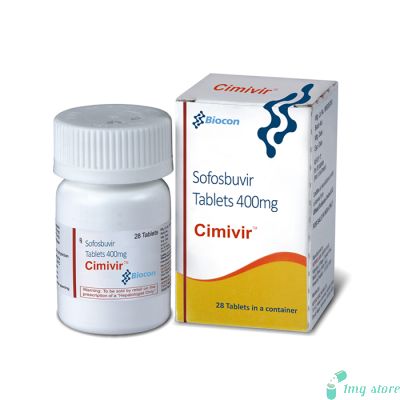
Natdac Tablet (Daclatasvir): Antiviral Tablet | For Chronic Hepatitis C Infection Management
Natdac Tablet contains daclatasvir, an antiviral medicine used in combination with other antiviral medicines to treat chronic hepatitis C infection. It works by blocking a protein the hepatitis C virus needs to multiply, helping reduce the amount of virus in the body.


Product Overview
Natdac Tablet contains Daclatasvir, an antiviral medicine used in combination with other antiviral medicines to treat chronic hepatitis C infection. It works by blocking a protein that the hepatitis C virus needs to multiply and produce new virus particles. By interfering with this process, Natdac helps lower the amount of virus in the body and supports the treatment of hepatitis C. The choice of accompanying medicines and treatment duration depends on the viral condition, liver health, and previous treatment history.
How Does Natdac Tablet Work? (Pharmacodynamics)
Daclatasvir belongs to a group of antiviral medicines called NS5A inhibitors. The hepatitis C virus depends on a protein called NS5A to copy its genetic material and produce new viral particles.
Natdac blocks the activity of this protein, interrupting important stages of viral multiplication. This helps reduce the viral load when the medicine is used with an appropriate antiviral combination.
Understanding Its Role in the Body
Natdac works by targeting the hepatitis C virus rather than directly treating liver-related symptoms. It is generally prescribed alongside other antiviral medicines because combination treatment helps improve the chances of clearing the infection.
Successful treatment can help prevent further liver damage associated with ongoing hepatitis C infection. However, the response depends on factors such as the viral genotype, liver condition, and prescribed treatment plan.
Expected Results
The amount of virus in the blood may start decreasing during the first few weeks of treatment. Many treatment plans last approximately 12 weeks, although the duration may vary depending on the accompanying medicines and individual condition.
A follow-up blood test, usually performed 12 weeks after completing treatment, helps determine whether the virus has been successfully cleared. This result is known as a sustained virologic response (SVR12).
Pharmacokinetics: How the Body Processes It
After taking Natdac Tablet, daclatasvir is absorbed into the bloodstream and gradually distributed throughout the body.
Absorption: It is absorbed through the digestive system, with peak blood concentrations generally reached within 1–2 hours.
Distribution: It travels through the bloodstream and reaches tissues where the virus is present.
Metabolism: The medicine is mainly processed in the liver through an enzyme called CYP3A.
Elimination: Most of the medicine is eliminated through faeces, while a smaller amount leaves the body through urine.
These processes influence how long daclatasvir remains active in the body and support its once-daily prescribed dosing.
Clinical Considerations
Liver health: Inform your doctor about existing liver problems, especially advanced liver disease, before starting treatment.
Hepatitis B screening: Testing for hepatitis B is recommended before starting treatment, as reactivation may occur during or after antiviral therapy.
Medicine interactions: Certain medicines, including rifampicin, some seizure medicines, and St. John's wort, may reduce daclatasvir levels and affect treatment response.
Heart health: If Natdac is combined with sofosbuvir, inform your doctor if you take amiodarone because the combination may cause a serious slowing of the heartbeat.
Treatment consistency: Take the tablet regularly as prescribed. Avoid missing doses or stopping treatment without medical advice.
Pregnancy and breastfeeding: Discuss pregnancy, pregnancy planning, and breastfeeding with your healthcare professional because safety considerations depend on the complete treatment combination.
Storage Instructions
Store Natdac Tablets at room temperature, away from excessive heat, moisture, and direct sunlight. Keep them in their original packaging and out of reach of children. Follow the storage directions mentioned on the product label.
Summary
Natdac Tablet contains daclatasvir, which helps control hepatitis C by blocking a protein needed for viral multiplication. When used with suitable antiviral medicines, it can help clear the infection and reduce the risk of ongoing liver damage. Completing the prescribed treatment and attending follow-up tests are important for achieving the best possible results.
Precautions
Natdac Tablet requires careful use because it is prescribed as part of combination treatment for hepatitis C. Certain liver conditions, previous infections, and other medicines may affect how well the treatment works. Following your doctor's instructions and completing the prescribed course are important for safe and effective treatment.
Before You Start
Discuss liver problems: Inform your doctor if you have cirrhosis, advanced liver disease, or any history of liver complications.
Mention previous hepatitis C treatment: Tell your doctor if you have received treatment for hepatitis C before, as your medical history may influence the choice of medicines.
Share your medication list: Inform your doctor about all prescription medicines, over-the-counter products, and supplements you take, as some may interact with daclatasvir.
Check for heart conditions: Tell your doctor if you have heart rhythm problems or take medicines such as amiodarone.
Mention hepatitis B infection: Inform your doctor if you have or have previously had hepatitis B, as reactivation may occur during hepatitis C treatment.
Pregnancy or breastfeeding: Discuss the complete treatment combination with your doctor before starting treatment, particularly if you are pregnant, planning a pregnancy, or breastfeeding.
While Using It
Follow the prescribed combination: Take Natdac exactly as directed and combine it with the other antiviral medicines prescribed for your hepatitis C infection.
Avoid missing doses: Take your medicine regularly and try to follow the same schedule each day. If you miss a dose, follow your doctor's instructions.
Complete the treatment course: Do not stop taking Natdac early, even if you feel better, unless your doctor advises you to do so.
Be careful with other medicines: Check with your doctor before starting or stopping any medicine, especially antibiotics, seizure medicines, herbal products, and acidity treatments.
Attend regular checkups: Your doctor may recommend blood tests to monitor liver function, hepatitis C viral levels, and your response to treatment.
Watch for unusual symptoms: Report persistent tiredness, nausea, abdominal discomfort, or any unexpected changes in your health.
When to Seek Medical Help
Liver warning signs: Seek medical advice if you notice yellowing of the skin or eyes, dark urine, unusual abdominal swelling, or persistent nausea.
Heart-related symptoms: Seek urgent medical attention if you experience fainting, severe dizziness, or an unusually slow or irregular heartbeat, especially if you are taking amiodarone.
Severe allergic reactions: Get immediate medical attention if you develop facial swelling, breathing difficulties, or a severe skin reaction.
Signs of hepatitis B reactivation: Report unusual weakness, yellowing of the eyes, dark urine, or worsening abdominal discomfort during treatment.
Note:
Natdac Tablet should be taken only under medical supervision and as part of the recommended hepatitis C treatment combination. Daclatasvir can interact with several medicines, and certain combinations may reduce its effectiveness. Patients with current or previous hepatitis B infection may also require monitoring during treatment. Never change your dose or stop the prescribed treatment without consulting your doctor.
Usage
Follow the prescribed schedule: Take Natdac Tablet (Daclatasvir) exactly as directed by your doctor. It is generally taken once daily, with or without food.
Maintain a regular routine: Try to take the tablet at the same time every day to help you stay consistent throughout treatment.
Swallow it with water: Take the tablet whole unless your healthcare professional gives you different instructions.
Missed a dose? If you remember within 20 hours, take it as soon as possible. If more than 20 hours have passed, skip the missed dose and continue with your regular schedule. Never take two doses together.
Check other medicines: Inform your doctor about all medicines and herbal supplements you use. Certain antibiotics, antifungals, seizure medicines, and herbal products can affect how daclatasvir works.
Follow the complete combination treatment: Natdac is generally used with another antiviral medicine, such as Sofosbuvir. Take both medicines according to your prescribed schedule.
Attend follow-up appointments: Your doctor may recommend blood tests to monitor liver health and check whether the treatment has successfully cleared the infection.
Uses
Natdac Tablet contains Daclatasvir, a direct-acting antiviral medicine used in combination with other antiviral medicines to treat chronic hepatitis C infection. It works by blocking a viral protein called NS5A, which the virus needs to multiply.
Chronic hepatitis C: Used as part of a combination treatment to help eliminate the hepatitis C virus from the body.
Prevents viral multiplication: Blocks the NS5A protein, interfering with the virus's ability to reproduce and spread.
Supports liver health: Helps control the infection, reducing ongoing viral activity that can contribute to liver damage.
Combination antiviral therapy: Often prescribed alongside other antiviral medicines, depending on the patient's liver condition, treatment history, and other medical factors.
Summary
Natdac Tablet helps fight hepatitis C by interfering with the virus's ability to multiply. When combined with the appropriate antiviral medicines, it can help achieve sustained viral clearance. Follow the complete treatment plan and attend recommended follow-up tests to check your progress.
Side Effects
Natdac Tablet contains Daclatasvir, an antiviral medicine used in combination with other medicines to treat chronic hepatitis C. Some people may experience mild side effects during treatment, although not everyone will have them.
Common Side Effects
Headache: A mild or recurring headache may occur during treatment.
Tiredness: You may feel unusually tired or low on energy.
Nausea: Some people may experience an unsettled stomach or a feeling of wanting to vomit.
Weakness: A general feeling of weakness may occur.
Dizziness: You may occasionally feel light-headed.
Difficulty sleeping: Changes in sleep patterns or trouble falling asleep may occur.
Serious Side Effects
Slow Heartbeat: When Natdac is taken with sofosbuvir and amiodarone, it may be associated with a dangerously slow heartbeat. Seek immediate medical attention if you experience fainting, severe dizziness, breathlessness, or an unusually slow pulse.
Allergic Reaction: Rarely, symptoms such as swelling of the face or throat, rash, or difficulty breathing may occur.
Liver-Related Problems: Worsening liver symptoms, such as yellowing of the skin or eyes, dark urine, or unusual abdominal swelling, need prompt medical attention.
Note: The side effects experienced during treatment may depend on the other medicines taken along with Natdac. Take it only as prescribed and inform your doctor about all medicines you use, especially heart medicines. Do not stop or change your hepatitis C treatment without medical advice.
FAQs
1. What is Natdac Tablet used for?
Natdac Tablet contains daclatasvir and is used in combination with other antiviral medicines to treat chronic hepatitis C infection. It helps fight the virus and supports its clearance from the body.
2. How does Natdac Tablet work?
Daclatasvir blocks a hepatitis C virus protein called NS5A, which the virus needs to multiply and spread. This helps reduce the amount of virus in the body.
3. Can Natdac Tablet be taken alone?
No. Natdac Tablet is generally not used alone. It must be combined with other appropriate antiviral medicines as prescribed by a doctor.
4. How should Natdac Tablet be taken?
Swallow the tablet whole with water, with or without food. Take it at the same time each day and follow the treatment schedule given by your doctor.
5. How long does Natdac Tablet treatment last?
Treatment commonly lasts 12 weeks, although the duration may vary depending on the hepatitis C genotype, liver condition, previous treatment, and other prescribed medicines.
6. What are the common side effects of Natdac Tablet?
Some people may experience headache, tiredness, nausea, weakness, or difficulty sleeping. Side effects can also depend on the other antiviral medicines used alongside it.
7. What happens if I miss a dose of Natdac Tablet?
Take the missed dose when you remember if it is not too close to your next dose. If it is nearly time for the next dose, skip the missed one. Do not double the dose.
8. Can Natdac Tablet cure hepatitis C?
Natdac Tablet is part of a treatment regimen that can help achieve a sustained virological response, meaning the hepatitis C virus remains undetectable after treatment. Treatment success depends on several individual factors.
9. Can I stop taking Natdac Tablet once I feel better?
No. Do not stop treatment early, even if you feel healthy. Completing the prescribed course is important for achieving the best possible treatment outcome.
10. Can Natdac Tablet interact with other medicines?
Yes. Daclatasvir can interact with certain antibiotics, antifungal medicines, seizure medicines, and herbal products such as St. John's wort. Always inform your doctor about all medicines and supplements you take before starting treatment.
Interactions
Certain medicines can affect how Natdac Tablets work in the body. Some may reduce the amount of daclatasvir in the bloodstream, making treatment less effective, while others may increase its levels and the risk of side effects. Inform your healthcare professional about all medicines, supplements, and herbal products you take before starting treatment.
1. Antibiotics
Medicines such as rifampicin may greatly reduce daclatasvir levels and affect treatment effectiveness.
Avoid combining them unless your healthcare professional specifically advises otherwise.
2. Anti-Seizure Medicines
Medicines such as carbamazepine, phenytoin, and phenobarbital may reduce daclatasvir levels.
Tell your healthcare professional if you take medicines for epilepsy.
3. Antifungal Medicines
Medicines such as ketoconazole may increase daclatasvir levels in the body.
Your healthcare professional may need to review your treatment.
4. HIV Medicines
Certain HIV medicines, particularly efavirenz and nevirapine, may reduce daclatasvir levels.
Inform your healthcare professional if you are receiving antiviral treatment.
5. Heart Medicines
Medicines such as amiodarone may cause serious heart rhythm problems when used with certain hepatitis C treatment combinations, particularly those containing sofosbuvir.
Seek medical advice before combining these treatments.
6. Herbal Supplements
Products containing St. John's wort may reduce daclatasvir levels and interfere with treatment.
Avoid using this supplement during treatment unless your healthcare professional approves it.
Tips to Avoid Interactions
Share a complete list of your prescription medicines, over-the-counter products, and supplements.
Check with your healthcare professional before starting any new medicine.
Do not stop or change your antiviral treatment without medical advice.
Note: Some interactions can reduce the effectiveness of Natdac, while others may increase the risk of side effects. Always have your medicines reviewed before starting treatment, especially if you are taking medicines for epilepsy, infections, HIV, or heart conditions.
| Manufacturer | : | Natco Pharma, India |
| Equivalent Brand | : | Daklinza |
| Generic Search | : | Daclatasvir |
Latest Products