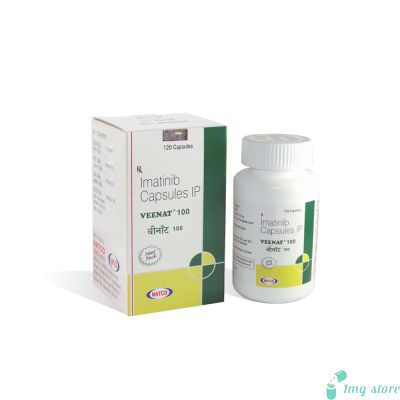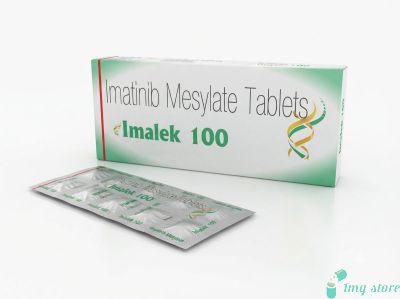
Imatib Tablet (Imatinib Mesylate): Targeted Anticancer Therapy | For Chronic Myeloid Leukemia (CML) and Gastrointestinal Stromal Tumors (GIST) Management
Imatib Tablet contains imatinib, a tyrosine kinase inhibitor used to treat certain types of blood cancers, including chronic myeloid leukemia (CML), and gastrointestinal stromal tumours (GIST). It works by blocking specific proteins involved in abnormal cell growth, helping control the condition.


Product Overview
Imatib Tablet contains imatinib, a targeted therapy medicine classified as a tyrosine kinase inhibitor. It is used to manage certain types of blood cancers and gastrointestinal stromal tumours (GIST). Imatinib works by blocking specific proteins that send signals for abnormal cells to grow and multiply.
How Imatib Tablet Works
Imatinib targets particular enzymes, including BCR-ABL and other tyrosine kinases involved in abnormal cell growth. By blocking these signals, it helps slow the growth of affected cells and supports disease control in conditions that respond to this treatment.
Key Features of Imatib Tablet
Active Ingredient: Imatinib, commonly supplied as imatinib mesylate.
Medicine Type: Tyrosine kinase inhibitor.
Dosage Form: Oral tablet.
Main Role: Targeted treatment for certain blood cancers and gastrointestinal stromal tumours.
Treatment Approach: The dose and duration depend on the condition being treated, the individual’s response, and the treating specialist’s instructions.
Conditions Managed with Imatib Tablet
Imatib Tablet may be used for specific conditions such as chronic myeloid leukemia (CML), Philadelphia chromosome-positive acute lymphoblastic leukemia (Ph+ ALL), and certain gastrointestinal stromal tumours. Its use depends on the confirmed diagnosis and relevant clinical findings.
How to Take Imatib Tablet
Take Imatib Tablet exactly as directed by the treating specialist. It is generally taken with a meal and a full glass of water to help reduce stomach discomfort. Follow the recommended schedule and do not change the dose or stop treatment without medical guidance.
Why Regular Monitoring Matters
Regular follow-up helps assess how well the treatment is working and whether the dose needs adjustment. Blood tests and other checks may be recommended during treatment. Keeping appointments and following the prescribed schedule supports safe, consistent use of Imatib Tablet.
Storage and Handling
Store Imatib Tablet according to the instructions on its packaging, away from excess heat and moisture. Keep the tablets in their original packaging when appropriate and out of reach of children. Check the product label for specific storage requirements and do not use tablets beyond the stated expiry date.
Summary
Imatib Tablet is an oral targeted therapy containing imatinib, commonly in the form of imatinib mesylate. It works by blocking selected tyrosine kinase proteins involved in abnormal cell growth and is used for certain conditions, including CML, Ph+ ALL, and specific types of GIST. Its use, dose, and duration depend on the diagnosis and individual treatment plan. Consistent use, regular monitoring, and follow-up with the treating specialist are important parts of treatment management.
Precaution
1. Follow the Recommended Dose
Take Imatib Tablet exactly as directed by the treating specialist. Do not change the dose or stop treatment without medical guidance.
2. Regular Blood Tests
Blood tests may be needed to monitor blood cell counts and check how the body responds to treatment.
3. Liver Function Monitoring
Imatinib may affect liver function. Attend recommended tests and report yellowing of the skin or eyes, dark urine, or unusual tiredness.
4. Heart and Fluid Retention
Inform the treating specialist about existing heart problems or swelling. Seek medical advice if you notice sudden weight gain, swollen legs, or breathing difficulty.
5. Pregnancy and Breastfeeding
Discuss pregnancy plans or breastfeeding with the treating specialist before starting treatment, as imatinib may pose risks.
6. Other Medicines
Share details of all medicines, vitamins, and herbal supplements being used, as some products can affect how imatinib works.
7. Driving and Daily Activities
If Imatib Tablet causes dizziness, blurred vision, or tiredness, avoid driving or operating machinery until you feel well.
8. Take with Food and Water
Imatib Tablet is generally taken with a meal and a full glass of water to help reduce stomach irritation. Follow the product-specific instructions.
Usage
Imatib Tablet contains imatinib, a targeted medicine used for certain types of blood cancers and gastrointestinal stromal tumours (GIST). Correct usage helps maintain consistent treatment and supports regular monitoring of the condition.
How to Take Imatib Tablet
Take Imatib Tablet exactly as directed by the treating specialist. It is generally taken with a meal and a full glass of water to help reduce stomach irritation. Follow the recommended dose and schedule.
Recommended Dosage
The dose depends on the condition being treated, the treatment response, and individual health factors. Do not change the dose or stop taking Imatib Tablet without medical guidance.
Important Instructions
Inform the treating specialist about all medicines, vitamins, and herbal supplements being used.
If swallowing the tablet is difficult, ask a pharmacist about the appropriate method for the specific product.
Keep follow-up appointments to monitor treatment response and overall health.
If vomiting occurs after a dose, seek guidance before taking another tablet.
Uses
Imatib Tablet contains imatinib, a targeted medicine that blocks specific proteins involved in abnormal cell growth. It is used to manage certain blood cancers and tumours when the condition responds to imatinib treatment.
1. Chronic Myeloid Leukemia (CML)
Imatib Tablet is used to treat certain forms of CML, a condition in which the bone marrow produces abnormal white blood cells linked to the BCR-ABL protein.
2. Philadelphia Chromosome-Positive Acute Lymphoblastic Leukemia (Ph+ ALL)
It may be used as part of treatment for this type of leukemia, which involves abnormal blood cells associated with the BCR-ABL protein.
3. Gastrointestinal Stromal Tumours (GIST)
Imatinib is used for certain GISTs, which develop in the digestive tract and may involve changes in proteins such as KIT.
4. Other Specific Blood Disorders
In selected cases, imatinib may be used for certain other blood disorders or tumours when the diagnosis and treatment guidelines support its use.
How Imatib Tablet Helps
Imatinib blocks selected tyrosine kinase proteins that send signals for abnormal cells to grow. Its benefits depend on the condition being treated and whether the affected cells respond to the medicine.
Side Effects
Imatib Tablet contains imatinib, a targeted medicine used for certain blood cancers and gastrointestinal stromal tumours (GIST). Like other medicines, it may cause side effects, which can vary depending on the dose and individual response.
Nausea and vomiting: Some people may feel sick or experience vomiting.
Diarrhea: Loose stools or changes in bowel habits may occur.
Muscle cramps: Muscle tightness or cramping may develop during treatment.
Muscle and joint pain: Discomfort or aches may affect daily activities.
Swelling: Fluid retention can cause puffiness around the eyes or swelling in the legs.
Tiredness: Fatigue or low energy may occur.
Skin rash: Redness, itching, or other skin changes may develop.
Abdominal discomfort: Stomach pain or indigestion may occur.
FAQs
1. What is Imatib Tablet used for?
Imatib Tablet is used to treat certain blood cancers, including CML and Ph+ ALL, and specific gastrointestinal stromal tumours (GIST).
2. What is the active ingredient in Imatib Tablet?
It contains imatinib, commonly formulated as imatinib mesylate.
3. How does Imatib Tablet work?
It blocks specific proteins that contribute to abnormal cell growth.
4. How should Imatib Tablet be taken?
It is generally taken with a meal and a full glass of water, as directed by the treating specialist.
5. Can Imatib Tablet be stopped suddenly?
Do not stop treatment without consulting the treating specialist.
6. Does Imatib Tablet require regular monitoring?
Yes, blood tests and other checks may be needed to monitor treatment response.
7. Can Imatib Tablet interact with other medicines?
Yes, certain medicines, supplements, and herbal products may affect how imatinib works.
8. How should Imatib Tablet be stored?
Store it according to the package instructions, away from excess heat and moisture.
Interactions
Imatib Tablet contains imatinib, which may interact with certain medicines, supplements, and foods. These interactions can affect how the medicine works or increase the chance of unwanted effects. Inform the treating specialist about all products you use.
1. Antibiotics and Antifungal Medicines
Some antibiotics and antifungal medicines may change imatinib levels in the body. Check with a healthcare professional before using them together.
2. Other Cancer Medicines
Certain cancer treatments may interact with imatinib or increase the risk of side effects. Combined treatment requires specialist supervision.
3. Blood Thinners
Medicines such as warfarin may increase bleeding-related concerns when used with imatinib. The treating specialist may recommend closer monitoring or an alternative.
4. Seizure Medicines
Some medicines used to manage seizures, such as carbamazepine and phenytoin, can reduce imatinib levels and affect its effectiveness.
5. Herbal Products and Supplements
St. John’s wort may reduce imatinib levels. Tell the treating specialist or pharmacist about herbal products, vitamins, and supplements before using them.
6. Grapefruit and Grapefruit Juice
Grapefruit may affect the way imatinib is processed in the body. Ask the treating specialist whether it should be avoided during treatment.
7. Medicines Affecting Liver Enzymes
Certain medicines can change how the liver processes imatinib, potentially increasing or decreasing its concentration. A medicine review can help identify these interactions.
Important Reminder
Do not start, stop, or change any medicine without professional guidance. Keep an updated list of medicines and supplements and share it during medical appointments.
| Manufacturer | : | Cipla Pharma, India |
| Equivalent Brand | : | Gleevec |
| Generic Search | : | Imatinib Mesylate |
Latest Products