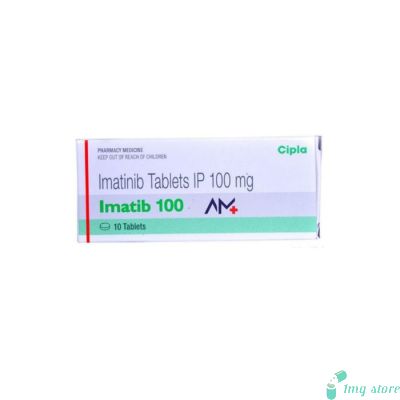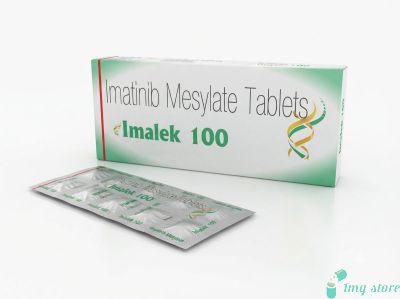
Veenat Capsule (Imatinib Mesylate) | For CML, GIST & Other Blood-Related Conditions
Veenat Capsule contains imatinib mesylate, an active ingredient that belongs to a group of medicines known as tyrosine kinase inhibitors. It works by blocking specific proteins involved in abnormal cell growth. Veenat is used in the management of certain types of blood cancers and gastrointestinal stromal tumours (GIST), helping control the growth and multiplication of affected cells.


Product Overview
Understanding the Active Ingredient: Imatinib Mesylate
Imatinib mesylate is the salt form of imatinib, a well-established targeted therapy. It acts on specific tyrosine kinase enzymes that regulate several cellular activities, including growth, division, and survival.
Some abnormal proteins can continuously activate signals that encourage affected cells to multiply. Imatinib blocks the activity of these proteins, helping reduce the signals responsible for uncontrolled cell growth. This targeted action is the foundation of its therapeutic role.
How Does Veenat Capsule Work?
Veenat Capsule works by inhibiting certain tyrosine kinase proteins involved in abnormal cellular activity. Its main targets include:
BCR-ABL: An abnormal protein associated with certain types of leukaemia. Blocking its activity helps control the multiplication of affected blood cells.
KIT (CD117): A protein involved in cell growth and signalling, which may be overactive in gastrointestinal stromal tumours.
PDGFR: Platelet-derived growth factor receptors that participate in cell growth and development. Imatinib can inhibit certain forms of these receptors.
By acting on these specific proteins, imatinib helps interfere with the biological signals that contribute to the development and progression of certain diseases.
Role of Veenat in Targeted Therapy
Targeted therapy focuses on particular proteins, enzymes, or molecular pathways involved in disease development. Unlike treatments that act more broadly on rapidly dividing cells, targeted medicines such as imatinib are designed to interfere with specific cellular mechanisms.
Veenat contains imatinib, which targets abnormal signalling pathways associated with certain blood disorders and gastrointestinal stromal tumours. The response to treatment depends on the underlying condition, the presence of relevant molecular changes, and individual health factors.
Absorption and Activity in the Body
After oral administration, imatinib is absorbed through the digestive system and enters the bloodstream. It is then distributed throughout the body, where it interacts with its targeted enzymes. The medicine undergoes processing mainly in the liver, and its breakdown products are eliminated through the body's natural processes.
Imatinib has a relatively long elimination half-life, which supports its use in scheduled treatment regimens. The exact response and duration of treatment vary according to the condition, dosage strength, and individual factors.
| Product Detail | Information |
| Product Name | Veenat Capsule |
| Active Ingredient | Imatinib Mesylate |
| Medicine Class | Tyrosine Kinase Inhibitor |
| Dosage Form | Oral Capsule |
| Main Mechanism | Inhibition of specific tyrosine kinase proteins |
| Administration Route | Oral |
| Treatment Category | Targeted Therapy |
Available Strength and Dosage Form
Veenat is available in different strengths and dosage forms depending on the product presentation and market. The capsule formulation contains imatinib mesylate as its active ingredient. The exact strength should be checked on the product packaging because different presentations may have different amounts of the active ingredient.
Importance of Consistent Treatment
Targeted therapy generally requires a planned and consistent treatment schedule. The duration of imatinib treatment depends on the diagnosed condition, treatment response, and medical assessment. Regular follow-up and laboratory monitoring may be part of the overall treatment process to evaluate how the medicine is working.
Precaution
Liver Function Monitoring
Imatinib is processed mainly by the liver. Regular liver function tests may be required to monitor how the body responds during treatment.
Kidney Health
People with existing kidney-related concerns should discuss them with their healthcare professional before starting treatment.
Pregnancy and Breastfeeding
Imatinib may affect pregnancy and infant development. Discuss pregnancy plans and breastfeeding with a healthcare professional before using this medicine.
Heart Health
People with a history of heart problems or fluid retention should inform their healthcare professional before starting treatment.
Regular Blood Tests
Periodic blood tests may be needed to monitor blood cell counts and assess the body's response to treatment.
Swelling and Fluid Retention
Pay attention to unusual swelling around the eyes, ankles, or other body areas and report noticeable changes to a healthcare professional.
Follow the Recommended Schedule
Take Veenat Capsule according to the advised schedule. Avoid changing the dose or stopping treatment without medical guidance.
Other Medicines
Share details of all medicines, vitamins, and herbal products currently being used, as some may affect how imatinib works.
Usage
Recommended Administration
Swallow Veenat Capsule with a full glass of water. Follow the advised dosage and timing based on the diagnosed condition.
Take With Food
Imatinib is generally taken with a meal and a large glass of water to help minimise stomach irritation.
Follow a Consistent Schedule
Take the capsule at the recommended time each day to maintain a regular treatment routine.
Swallow the Capsule Properly
Follow the product-specific instructions for swallowing the capsule. Do not open, crush, or chew it unless specifically advised by a healthcare professional.
Missed Dose
If you miss a dose, follow the instructions provided by your healthcare professional. Do not take an extra dose to make up for a missed one.
Uses
Chronic Myeloid Leukaemia (CML)
Veenat is used to manage chronic myeloid leukaemia, a blood and bone marrow condition associated with the abnormal BCR-ABL protein.
Acute Lymphoblastic Leukaemia (ALL)
It may be used for certain types of Philadelphia chromosome-positive acute lymphoblastic leukaemia as part of a treatment plan.
Gastrointestinal Stromal Tumours (GIST)
Imatinib helps manage certain gastrointestinal stromal tumours by targeting abnormal KIT or PDGFR protein activity.
Myelodysplastic/Myeloproliferative Disorders
It is used in selected cases of myelodysplastic/myeloproliferative diseases associated with specific PDGFR gene abnormalities.
Hypereosinophilic Syndrome
Imatinib may be used for certain cases of hypereosinophilic syndrome when specific molecular abnormalities are present.
Dermatofibrosarcoma Protuberans (DFSP)
It may be used in selected cases of dermatofibrosarcoma protuberans, a rare condition affecting the skin and underlying tissues.
Important: The suitability of Veenat Capsule depends on the specific diagnosis and molecular characteristics of the condition.
Side Effects
Nausea and Vomiting
Some people may experience nausea or vomiting while taking Veenat Capsule. Taking it with food and sufficient water may help reduce stomach discomfort.
Diarrhoea
Loose stools or frequent bowel movements may occur during treatment. Maintaining adequate fluid intake can help prevent dehydration.
Muscle Cramps
Muscle cramps, stiffness, or discomfort may develop during treatment with imatinib.
Headache
Mild to moderate headaches may occur as the body responds to the medicine.
Fatigue
Some people may experience tiredness, weakness, or reduced energy during treatment.
Skin Rash
Redness, itching, or mild skin rashes may appear in some individuals.
Swelling
Fluid retention can cause swelling around the eyes, ankles, feet, or other body areas.
When to Seek Medical Advice
Contact a healthcare professional if side effects persist, become uncomfortable, or interfere with daily activities. Seek urgent medical attention for breathing difficulty, severe swelling, unusual bleeding, or serious skin reactions.
Note: Side effects differ from person to person. Regular medical check-ups and blood tests help monitor the body's response to Veenat Capsule during treatment.
FAQs
What is Veenat Capsule used for?
Veenat Capsule is used to manage certain types of blood cancers, including chronic myeloid leukaemia (CML), and gastrointestinal stromal tumours (GIST).
What is the active ingredient in Veenat Capsule?
Veenat Capsule contains imatinib mesylate, a tyrosine kinase inhibitor.
How does Veenat Capsule work?
It blocks specific proteins, such as BCR-ABL and KIT, that contribute to abnormal cell growth.
Is Veenat Capsule a targeted therapy?
Yes, it belongs to the targeted therapy group and acts on specific proteins involved in disease development.
How should Veenat Capsule be taken?
It should be taken according to the healthcare professional's instructions, with attention to the recommended schedule.
Can Veenat Capsule be taken with food?
Imatinib is generally taken with a meal and a large glass of water to help reduce stomach irritation.
How long does Veenat Capsule treatment continue?
The treatment duration depends on the diagnosed condition, individual response, and medical assessment.
Does Veenat Capsule require regular monitoring?
Yes, regular blood tests and other medical assessments may be needed during treatment.
Interactions
Antibiotics
Certain antibiotics, particularly clarithromycin and erythromycin, may affect the breakdown of imatinib and increase its concentration in the body.
Antifungal Medicines
Medicines such as ketoconazole, itraconazole, and voriconazole may increase imatinib levels and potentially affect its activity.
Anti-Seizure Medicines
Phenytoin, carbamazepine, and phenobarbital may reduce imatinib levels by increasing its breakdown, potentially affecting treatment response.
Blood Thinners
Warfarin and other medicines that affect blood clotting may interact with imatinib and require careful monitoring.
Herbal Supplements
St. John's wort may reduce imatinib concentrations and interfere with its expected activity.
Paracetamol
Using paracetamol with imatinib may require additional attention, particularly with regular or high doses, because both medicines can affect liver function.
Other Cancer Medicines
Certain cancer treatments may interact with imatinib and influence their combined effects. A healthcare professional should review the treatment combination.
Important: Always share a complete list of medicines, supplements, and herbal products before starting Veenat Capsule. Avoid adding or stopping any medicine without professional guidance.
| Manufacturer | : | Natco Pharma, India |
| Equivalent Brand | : | Gleevec |
| Generic Search | : | Imatinib mesylate |
Latest Products