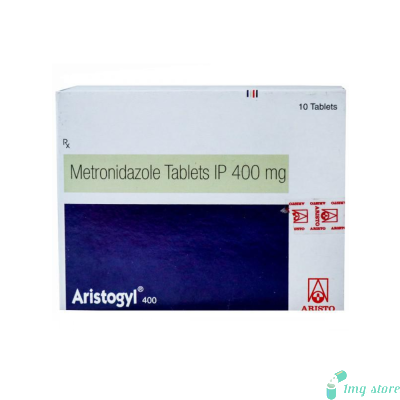
Metrogyl Tablet (Metronidazole) | For Bacterial Infections, Anaerobic Infections & Protozoal Infection Management
Metrogyl Tablet contains metronidazole as its active ingredient. It is an antimicrobial medicine used to treat certain bacterial and protozoal infections, including some infections affecting the digestive system and other parts of the body.


Product Overview
Metrogyl Tablet is an antimicrobial medicine that contains metronidazole as its active ingredient. It belongs to the nitroimidazole group of medicines and is used to treat certain infections caused by susceptible anaerobic bacteria and protozoa. These microorganisms can cause infections in different parts of the body, including the digestive system and other tissues.
Metrogyl Tablet works by entering susceptible microorganisms and interfering with their DNA, which prevents them from functioning and multiplying normally. This action helps control the infection and supports recovery when metronidazole is appropriate for the condition.
The correct strength, dosage, and treatment duration depend on the type of infection, its severity, the person's age, and other individual health factors. Metrogyl is available in different formulations and strengths, so the product packaging should be checked to confirm the specific tablet.
Composition and Active Ingredient
The active ingredient in Metrogyl Tablet is metronidazole. It is an antimicrobial agent with activity against certain anaerobic bacteria and protozoa.
Metronidazole is particularly useful against microorganisms that can survive and multiply in environments with little or no oxygen. Its activity depends on the microorganism involved, and it is not effective against every type of bacteria.
The exact strength and formulation should be verified on the product packaging because availability may vary by market.
How Metrogyl Tablet Works
Metronidazole works by entering susceptible microorganisms and forming active compounds that damage their DNA. DNA is essential for the growth, functioning, and reproduction of these microorganisms. By disrupting this process, metronidazole helps stop their growth and eliminate susceptible organisms.
This mechanism makes Metrogyl Tablet useful for certain infections caused by anaerobic bacteria and protozoa. However, its effectiveness depends on the organism responsible for the infection and its sensitivity to the medicine.
Metronidazole does not work against viral infections such as the common cold or influenza. It is also not effective against every bacterial infection, so selecting the appropriate antimicrobial medicine is important.
Types of Infections Addressed by Metronidazole
Metronidazole is used in the management of certain infections involving different body systems. Depending on the diagnosis, it may be used for selected anaerobic bacterial infections, protozoal infections, and some infections affecting the digestive system or other tissues.
In some treatment plans, metronidazole is combined with other medicines when more than one type of microorganism needs to be addressed. The choice of treatment depends on the diagnosed condition and the organisms involved.
Available Strengths and Formulations
Metrogyl products may be available in different strengths and dosage forms, depending on the market and manufacturer. Oral tablets are commonly available in strengths such as 200 mg and 400 mg in some markets.
The strength indicates the amount of metronidazole present in each tablet. Different strengths are intended for different treatment requirements and should not be considered interchangeable without appropriate medical guidance.
Always check the product packaging to confirm the active ingredient, tablet strength, manufacturer, and formulation before relying on product-specific information.
Appropriate Administration
Metrogyl Tablet should be taken according to the directions provided by a qualified healthcare professional. The recommended dose and duration depend on the infection being treated, the person's health status, and the specific formulation.
Swallow the tablet with water and follow the instructions supplied with the product. If a dose is missed, follow the medicine's instructions or seek guidance from a healthcare professional rather than taking an extra dose to compensate.
Completing the recommended treatment course is important. Changing the dose or stopping treatment earlier than advised may affect the management of the infection.
Importance of Responsible Antimicrobial Use
Using an antimicrobial medicine for the correct condition helps support effective treatment and responsible antimicrobial use. Metrogyl Tablet should be used only when metronidazole is appropriate for the infection being managed.
Unnecessary or inappropriate antimicrobial use can contribute to treatment failure and other problems. An accurate diagnosis helps determine whether metronidazole is suitable or whether a different treatment is required.
Storage and Handling
Store Metrogyl Tablet according to the instructions on its packaging. Keep the tablets in their original packaging and protect them from excessive heat, moisture, and direct sunlight when specified by the manufacturer.
Keep the medicine out of the reach of children and check the expiry date before use. Follow any additional storage instructions provided with the particular formulation.
Summary
Metrogyl Tablet contains metronidazole, an antimicrobial medicine belonging to the nitroimidazole group. It works by disrupting the DNA of susceptible microorganisms and is used to treat certain anaerobic bacterial and protozoal infections.
Its suitability depends on the type of infection, the microorganism involved, and individual treatment requirements. Confirming the tablet strength and following the recommended treatment instructions are important parts of appropriate use.
Precaution
Metrogyl Tablet contains metronidazole, an antimicrobial medicine used to treat certain bacterial and protozoal infections. Following the recommended precautions helps support safe and appropriate use.
1. Follow the Recommended Dose
Take Metrogyl Tablet according to your healthcare professional's instructions. Do not change the dose or stop treatment early without guidance.
2. Avoid Alcohol During Treatment
Avoid alcohol while taking metronidazole and for at least 48 hours after the last dose, unless your product information specifies a longer period. Combining alcohol with metronidazole may cause nausea, vomiting, abdominal discomfort, and flushing.
3. Inform About Existing Health Conditions
Tell your healthcare professional if you have liver problems, nervous system disorders, or blood-related conditions, as these may affect the suitability of metronidazole.
4. Check Other Medicines
Share details of all medicines and supplements you take. Metronidazole can interact with medicines such as warfarin, lithium, and disulfiram.
5. Pregnancy and Breastfeeding
If you are pregnant, planning pregnancy, or breastfeeding, discuss the suitability of Metrogyl Tablet with your healthcare professional before use.
Usage
Metrogyl Tablet contains metronidazole, an antimicrobial medicine used for certain bacterial and protozoal infections. The correct dosage and duration depend on the type of infection, the patient’s age, and individual health factors. Follow the instructions provided by your healthcare professional and the product label.
How to Take Metrogyl Tablet
Follow the recommended dose: Take the tablet according to the directions provided by your healthcare professional.
Swallow with water: Take the tablet with a glass of water.
With or without food: Follow the product instructions. Taking it with food may help reduce stomach discomfort.
Maintain regular timing: Take each dose at the recommended time to maintain a consistent schedule.
Complete the course: Continue for the advised duration, even if symptoms begin to improve.
Uses
Metrogyl Tablet contains metronidazole, an antimicrobial medicine used to treat certain bacterial and protozoal infections. It works by damaging the DNA of susceptible microorganisms, helping stop their growth and eliminate the infection. The specific use depends on the type of infection and the healthcare professional’s assessment.
What Is Metrogyl Tablet Used For?
1. Anaerobic Bacterial Infections
Metrogyl Tablet is used to treat certain infections caused by anaerobic bacteria, which can grow in areas with little or no oxygen. These infections may affect the abdomen, pelvis, or other body tissues.
2. Intestinal Protozoal Infections
Metronidazole may be used to treat specific intestinal infections caused by protozoa, including amoebiasis and giardiasis, when appropriate.
3. Certain Dental Infections
It may be used for selected dental infections involving anaerobic bacteria, depending on the diagnosis and treatment plan.
4. Certain Pelvic Infections
Metronidazole may be included in treatment for some pelvic infections, often alongside other medicines when multiple types of bacteria may be involved.
5. Bacterial Vaginosis
Metronidazole is also used in suitable formulations to treat bacterial vaginosis, a condition involving an imbalance of bacteria in the vagina. The appropriate formulation and dosage depend on the individual case.
Side Effects
Metrogyl Tablet contains metronidazole, an antimicrobial medicine used to treat certain bacterial and protozoal infections. Like other medicines, it may cause side effects in some people. These effects are often mild, but their intensity can vary depending on the dose, treatment duration, and individual response.
Common Effects
1. Nausea and Vomiting
Some people may experience nausea or vomiting after taking Metrogyl Tablet. Taking it according to the product instructions, sometimes with food, may help reduce stomach discomfort.
2. Stomach Discomfort
Abdominal pain, cramps, or general stomach discomfort may occur during treatment. Contact a healthcare professional if these symptoms persist or become severe.
3. Diarrhoea
Metrogyl Tablet may cause loose stools or changes in bowel habits. Drink enough fluids and seek advice if diarrhoea is severe or persistent.
4. Metallic Taste in the Mouth
A bitter or metallic taste is a recognised side effect of metronidazole. It usually improves after treatment ends.
5. Headache
Some people may experience a headache while taking this medicine. Rest and adequate hydration may help with mild discomfort.
6. Reduced Appetite
Metrogyl Tablet may temporarily affect appetite or cause an unpleasant taste that makes eating less appealing.
FAQs
1. What is Metrogyl Tablet used for?
Metrogyl Tablet contains metronidazole and is used to treat certain bacterial and protozoal infections.
2. What is the active ingredient in Metrogyl Tablet?
The active ingredient is metronidazole, an antimicrobial medicine belonging to the nitroimidazole group.
3. How does Metrogyl Tablet work?
It damages the DNA of susceptible microorganisms, helping stop their growth and control the infection.
4. Can Metrogyl Tablet treat viral infections?
No, metronidazole does not treat viral infections such as the common cold or flu.
5. Can alcohol be consumed with Metrogyl Tablet?
Avoid alcohol during treatment and for at least 48 hours after the last dose, or longer if the product information advises it.
6. Can Metrogyl Tablet be taken with food?
Follow your product instructions. Taking it with food may help reduce stomach discomfort.
7. Can Metrogyl Tablet interact with other medicines?
Yes, it can interact with medicines such as warfarin, lithium, and disulfiram. Inform your healthcare professional about all medicines you take.
8. How should Metrogyl Tablet be stored?
Store it according to the packaging instructions, away from excess heat and moisture, and out of children's reach.
Interactions
Metrogyl Tablet contains metronidazole, an antimicrobial medicine used to treat certain bacterial and protozoal infections. It can interact with other medicines, potentially changing their effects or increasing the risk of unwanted reactions. Inform your healthcare professional about all medicines, supplements, and herbal products you take.
1. Warfarin and Other Blood Thinners
Metronidazole can increase the effect of warfarin, raising the risk of bleeding. Medical monitoring and dose adjustments may be necessary.
2. Alcohol
Alcohol should be avoided during metronidazole treatment and for at least 48 hours after the last dose, unless the product information specifies a longer period. Combining them may cause nausea, vomiting, flushing, and abdominal discomfort.
3. Lithium
Metronidazole may increase lithium levels in the blood, potentially causing toxicity. Monitoring may be required if both medicines are used.
4. Disulfiram
Using metronidazole with disulfiram may cause confusion or other mental health-related reactions. The combination should be avoided unless a healthcare professional confirms it is appropriate.
5. Phenytoin and Phenobarbital
These medicines may affect metronidazole levels in the body, potentially changing its effectiveness or the risk of unwanted effects. Medical review may be needed.
6. Cimetidine
Cimetidine may slow the breakdown of metronidazole, potentially increasing its levels in the body and the risk of side effects.
| Manufacturer | : | J.B. Chemical, India |
| Equivalent Brand | : | Flagyl |
| Generic Search | : | Metronidazole |
Latest Products