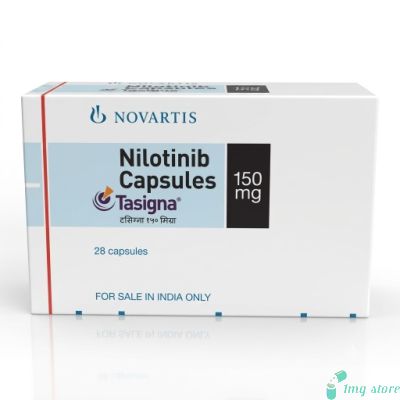
Ninlib Capsule (Nilotinib): Anticancer Capsule | For Chronic Myeloid Leukemia (CML) Treatment & Management
Ninlib Capsule, containing Nilotinib, is a prescription medication used to treat Chronic Myeloid Leukemia (CML). It helps improve the quality of life for leukemia patients by inhibiting the growth of cancer cells, especially for those who haven't responded well to other treatments.


Product Overview
Ninlib Capsule contains nilotinib, a targeted medicine used to treat certain types of chronic myeloid leukemia (CML), a condition affecting the blood and bone marrow. It belongs to a group of medicines called tyrosine kinase inhibitors (TKIs). Nilotinib works by blocking specific signals that encourage abnormal blood cells to grow and multiply. This helps control the condition and supports long-term disease management under specialist supervision.
How Does Ninlib Capsule Work?
In certain forms of CML, an abnormal protein called BCR-ABL sends continuous signals that encourage blood cells to grow uncontrollably. Nilotinib blocks the activity of this protein, helping slow the growth of abnormal cells and allowing healthier blood cell production to recover.
Understanding Its Role in the Body
Ninlib is designed to target the underlying process responsible for Philadelphia chromosome-positive CML. Rather than simply managing symptoms, it helps control abnormal cell growth. Regular blood tests are important to understand how well the treatment is working.
Expected Results
The response to Ninlib develops gradually. Over time, blood cell counts may improve, and tests may show a reduction in abnormal BCR-ABL activity. Results vary between individuals, and regular monitoring helps your specialist assess treatment progress.
Pharmacokinetics: How the Body Processes It
After taking Ninlib Capsule, nilotinib is absorbed into the bloodstream, usually reaching its highest level within approximately three hours. The liver breaks down the medicine, and most of it leaves the body through faeces. Its lasting action supports a regular treatment schedule as prescribed.
Clinical Considerations
- Heart health: Nilotinib may cause serious changes in heart rhythm. ECG tests and monitoring of potassium and magnesium levels are important.
- Blood monitoring: Regular blood counts and BCR-ABL tests help assess treatment response.
- Liver and pancreas health: Your doctor may recommend blood tests to monitor liver function and pancreatic enzymes.
- Medicine interactions: Inform your healthcare professional about all medicines you take, including antibiotics, antifungals, and medicines for stomach acidity.
- Empty stomach: Avoid food for at least two hours before and one hour after taking nilotinib. Avoid grapefruit products.
- Safe use: Follow the prescribed dose carefully. Do not stop or change treatment without specialist advice.
Storage Instructions
Store Ninlib Capsules according to the temperature instructions on the original packaging, generally at controlled room temperature. Protect them from excess moisture and heat, keep them in their original container, and store them out of children's reach.
Conclusion
Ninlib Capsule contains nilotinib, which helps manage certain forms of chronic myeloid leukemia by controlling abnormal cell growth. Regular monitoring, consistent dosing, and close communication with your healthcare professional are essential for effective and safe long-term treatment.
Precautions
Ninlib Capsule contains nilotinib, a targeted medicine used to treat certain types of chronic myeloid leukaemia (CML). It works by blocking abnormal signals that encourage affected cells to grow. Because nilotinib can affect heart rhythm, liver function, and blood cell counts, regular monitoring and careful use are important throughout treatment.
Before You Start
Consult your healthcare professional: Discuss your condition and whether nilotinib is suitable for you.
Check your medical history: Inform your doctor if you have heart problems, an irregular heartbeat, liver conditions, or low potassium or magnesium levels.
Mention other medicines: Share details of all medicines and supplements you take, especially those that affect heart rhythm or how nilotinib works.
Discuss pregnancy and breastfeeding: Nilotinib may harm an unborn baby. Ask your doctor about pregnancy prevention and breastfeeding precautions.
Complete recommended tests: Blood tests, an ECG (heart tracing), and checks of liver function and mineral levels may be needed before treatment.
While Using It
Follow your prescribed dose: Take Ninlib exactly as directed. Never change the dose or stop treatment without medical advice.
Take it on an empty stomach: Avoid food for at least 2 hours before and 1 hour after each dose, as food can increase nilotinib absorption and the risk of side effects.
Swallow capsules correctly: Swallow them whole with water. If swallowing is difficult, ask your healthcare professional about the approved alternative method.
Avoid grapefruit: Grapefruit and its juice can increase nilotinib levels in the body.
Attend regular check-ups: Blood tests and heart monitoring help your doctor assess treatment response and identify possible problems early.
Watch for side effects: Report persistent nausea, unusual tiredness, headaches, swelling, or skin changes.
Avoid missed or extra doses: If you miss a dose, skip it and take the next dose at the usual time. Do not double the dose.
When to Seek Medical Help
Heart-related symptoms: Seek immediate medical attention for fainting, a fast or irregular heartbeat, or chest discomfort.
Unusual bleeding or bruising: Contact your doctor promptly if you notice unexplained bruises, bleeding, or signs of infection.
Liver-related symptoms: Report yellowing of the skin or eyes, dark urine, or persistent abdominal discomfort.
Severe abdominal pain: Seek prompt medical assessment, especially if accompanied by vomiting.
Allergic reactions: Get emergency help for facial swelling, breathing difficulties, or a severe skin reaction.
Note:
Ninlib Capsule (Nilotinib) should be taken only under the supervision of a specialist experienced in treating CML. Follow the recommended empty-stomach schedule, attend regular monitoring appointments, and inform your healthcare professional about any unusual symptoms. Never adjust or discontinue treatment on your own.
Usage
Follow your doctor's instructions: Take Ninlib Capsule (Nilotinib) exactly as prescribed by your healthcare professional. Do not change the dose or stop treatment on your own.
Take on an empty stomach: Avoid eating for at least 2 hours before and 1 hour after taking the capsule, as food can increase the amount of medicine absorbed into your body.
Swallow the capsule whole: Take it with water without crushing or chewing it. If you have difficulty swallowing capsules, ask your healthcare professional about the recommended alternative method.
Missed a dose? Skip the missed dose and take your next dose at the usual time. Never take two doses together.
Check other medicines: Tell your doctor about all medicines and supplements you use, as some may affect how nilotinib works or increase side effects.
Attend regular check-ups: Blood tests, heart monitoring, and other assessments may be needed to check your response and ensure the treatment remains suitable.
Watch for unusual symptoms: Report persistent nausea, unusual tiredness, swelling, or changes in your heartbeat to your healthcare professional.
Uses
Ninlib Capsule contains Nilotinib, a targeted medicine belonging to a group called tyrosine kinase inhibitors (TKIs). It is used to treat certain types of chronic myeloid leukaemia (CML), a condition affecting the blood and bone marrow.
Chronic Myeloid Leukaemia (CML): Helps manage Philadelphia chromosome-positive (Ph+) CML in eligible patients.
Newly diagnosed CML: May be prescribed for certain patients with newly diagnosed Ph+ CML in the chronic phase.
Previously treated CML: May be used when certain earlier treatments have not worked well or have caused unacceptable side effects.
Controls abnormal cell growth: Blocks a protein called BCR-ABL, which encourages abnormal blood cells to multiply.
Supports long-term disease management: Helps control the condition when taken consistently under specialist supervision.
Side Effects
Ninlib Capsule contains nilotinib, a medicine used to treat certain types of chronic myeloid leukemia (CML). Like other medicines, it may cause side effects, but not everyone experiences them. The effects can vary depending on the dose, treatment duration, and individual response.
Common Side Effects
Nausea: You may feel sick or uncomfortable in your stomach.
Headache: Some people may experience mild or occasional headaches.
Tiredness: You may feel more tired or weak than usual.
Skin Rash: Mild itching, redness, or skin irritation may occur.
Digestive Problems: You may experience constipation, diarrhea, or stomach discomfort.
Muscle or Joint Pain: Some people may notice mild aches or stiffness.
Hair Thinning: Hair may become thinner during treatment.
Serious Side Effects
Heart Rhythm Changes: Nilotinib may affect the heartbeat. Fainting, severe dizziness, or an irregular heartbeat requires urgent medical attention.
Low Blood Cell Counts: Reduced blood cells may increase the risk of infections, unusual bleeding, or severe tiredness.
Liver Problems: Yellowing of the skin or eyes, dark urine, or persistent nausea needs prompt medical assessment.
Pancreas Problems: Severe or ongoing stomach pain, especially with vomiting, may indicate inflammation of the pancreas.
Blood Vessel Problems: Chest pain, sudden weakness, or difficulty speaking may indicate a serious circulation problem and requires emergency care.
Allergic Reactions: Facial swelling, severe rash, or difficulty breathing requires immediate medical attention.
Note: Regular blood tests and heart monitoring may be needed during treatment. Take it on an empty stomach, avoiding food for 2 hours before and 1 hour after each dose. Do not change or stop treatment without medical advice. Seek medical help if you experience unusual, persistent, or worsening symptoms.
FAQs
1. What is Ninlib Capsule used for?
Ninlib Capsule contains nilotinib, a targeted medicine used to treat certain types of chronic myeloid leukaemia (CML), a condition affecting the blood and bone marrow.
2. How does Ninlib Capsule work?
Nilotinib blocks an abnormal protein called BCR-ABL, which causes certain blood cells to grow uncontrollably. This helps slow the growth of affected cells.
3. How should I take Ninlib Capsule?
Take Ninlib Capsule exactly as prescribed by your doctor, usually twice daily, about 12 hours apart. Swallow the capsules whole with water.
4. Can Ninlib Capsule be taken with food?
No. Take it on an empty stomach. Avoid eating for at least 2 hours before and 1 hour after taking your dose, as food can increase the medicine's effects and risks.
5. What are the common side effects of Ninlib Capsule?
Common side effects may include nausea, headache, tiredness, skin rash, itching, constipation, and muscle or joint discomfort. Inform your doctor if these become troublesome.
6. How long does Ninlib Capsule take to show results?
The response varies from person to person. Your doctor will use regular blood tests and other assessments to check how well the treatment is working over time.
7. Can Ninlib Capsule be taken with other medicines?
Nilotinib can interact with certain antibiotics, antifungal medicines, heart medicines, and acid-reducing treatments. Always check with your doctor before combining medicines.
8. Who should be careful while taking Ninlib Capsule?
People with heart rhythm problems, low potassium or magnesium levels, liver problems, or a history of pancreatitis need careful medical assessment and monitoring.
9. Can I stop taking Ninlib Capsule when I feel better?
Do not stop treatment on your own. Even if you feel well, continue taking it as prescribed. Treatment changes or discontinuation require specialist supervision.
10. What precautions should I follow while taking Ninlib Capsule?
Take each dose on an empty stomach, avoid grapefruit products, and attend regular blood tests and heart monitoring appointments. Seek urgent medical help if you experience fainting, a fast or irregular heartbeat, or chest pain.
Interactions
Ninlib Capsules contain nilotinib, a medicine used to treat certain types of chronic myeloid leukaemia (CML). Some medicines and foods may change how nilotinib works or increase the risk of side effects. Always tell your healthcare professional about the medicines and supplements you take.
1. Certain Antibiotics
Medicines such as clarithromycin may increase nilotinib levels in the body, raising the risk of side effects.
Check with your healthcare professional before taking antibiotics.
2. Antifungal Medicines
Medicines such as ketoconazole and itraconazole may increase the amount of nilotinib in your bloodstream.
These combinations should generally be avoided unless your specialist advises otherwise.
3. Heart Rhythm Medicines
Medicines such as amiodarone and sotalol may increase the risk of serious heart rhythm problems when combined with nilotinib.
Tell your healthcare professional if you take medicines for an irregular heartbeat.
4. Acid-Reducing Medicines
Medicines such as omeprazole may reduce how well nilotinib is absorbed.
Your healthcare professional may recommend suitable alternatives or adjust the timing of certain acid-reducing medicines.
5. Medicines for Seizures
Medicines such as carbamazepine and phenytoin may reduce nilotinib levels, making treatment less effective.
Inform your healthcare professional if you take medicines for seizures.
6. Food and Grapefruit
Taking nilotinib with food can increase its absorption and raise the risk of side effects.
Avoid grapefruit and grapefruit juice, as they may increase nilotinib levels in the body.
Tips to Avoid Interactions
Share a complete list of your medicines, vitamins, and herbal supplements with your healthcare professional.
Take Ninlib on an empty stomach, avoiding food for 2 hours before and 1 hour after each dose.
Avoid grapefruit products and do not start new medicines without checking with your healthcare professional.
Do not change your dose or stop treatment without medical advice.
Note: Nilotinib can affect heart rhythm, so some medicine combinations require particular caution. Your healthcare professional may recommend blood tests and heart monitoring during treatment. Follow your prescribed schedule and report unusual symptoms promptly.
| Manufacturer | : | Hetero Healthcare Limited |
| Equivalent Brand | : | Tasigna |
| Generic Search | : | Nilotinib |
Latest Products