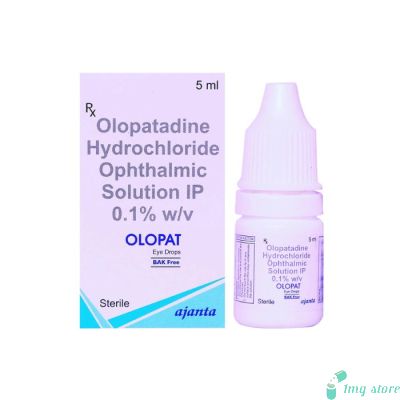
Patanol Eye Drop (Olopatadine) | For Relief from Eye Allergies, Itching, Redness and Watery Eyes
Patanol Eye Drop contains olopatadine, an antihistamine used to relieve eye allergy symptoms such as itching, redness, watering, and irritation. It works by blocking histamine, a substance released during allergic reactions, helping soothe discomfort and reduce allergy-related symptoms. It is commonly used for allergic conjunctivitis.


Product Overview
Patanol Eye Drop contains Olopatadine, an antihistamine medicine used to relieve eye allergy symptoms such as itching, redness, watering, and irritation. It works by blocking the effects of histamine, a chemical released by the body during an allergic reaction. By calming this response in the eyes, Patanol helps reduce discomfort and makes everyday activities such as reading, working, and spending time outdoors more comfortable.
How Does Patanol Eye Drop Work? (Pharmacodynamics)
When the eyes come into contact with allergens such as pollen, dust, or pet dander, the body releases histamine, which triggers itching, watering, and redness.
Olopatadine works in two ways:
- Antihistamine action: Blocks H1 histamine receptors, reducing the effects of histamine on the eyes.
- Mast cell stabilising action: Helps prevent mast cells from releasing additional allergy-triggering chemicals.
Together, these actions help control existing allergic symptoms and reduce further irritation.
Understanding Its Role in the Body
Patanol works directly on the eye surface to manage symptoms of allergic conjunctivitis. It helps calm the allergic response rather than treating infections or correcting other causes of eye redness.
By reducing itching and watering, it may make activities such as reading, using digital screens, and going outdoors more comfortable, particularly during periods of increased allergen exposure.
Expected Results
Relief from itching may begin within a short period after application, although the exact timing varies between individuals. Redness and watering may also gradually improve with regular use as prescribed. Continue treatment according to your eye specialist's instructions, even if symptoms become less noticeable.
Pharmacokinetics: How the Body Processes It
Since Patanol is applied directly to the eyes, most of its intended action takes place on the eye surface.
- Absorption: A small amount of olopatadine may enter the bloodstream through the eye tissues and tear drainage system.
- Distribution: The medicine acts locally around the eye surface, where allergic symptoms develop.
- Metabolism: Any absorbed olopatadine is processed by the body, with some metabolism occurring in the liver.
- Elimination: The medicine and its breakdown products are gradually removed through urine and faeces.
Systemic exposure is generally low when the eye drops are used as directed.
Clinical Considerations
- Contact lenses: Remove contact lenses before applying the drops. Wait at least 10 minutes before putting them back in, unless your eye specialist advises otherwise.
- Eye irritation: Temporary burning, stinging, dryness, or blurred vision may occur after application.
- Application hygiene: Avoid touching the dropper tip to your eyes, fingers, or other surfaces to prevent contamination.
- Other eye medicines: If using more than one eye drop, leave at least 5 minutes between applications unless instructed otherwise.
- Persistent symptoms: Consult an eye specialist if itching, redness, or watering continues or becomes worse.
- Safe use: Use only the prescribed number of drops and avoid sharing the bottle with others.
Storage Instructions
Store Patanol Eye Drop according to the temperature instructions on its packaging, generally at room temperature. Keep the bottle tightly closed, away from direct sunlight and excessive heat. Do not touch the dropper tip, and discard the bottle according to its stated expiry or after-opening instructions.
Precautions
Patanol Eye Drop should be used carefully to avoid irritation and ensure proper treatment of eye allergies. Although it helps relieve itching and other allergy-related symptoms, incorrect application, contaminated dropper tips, or certain existing eye conditions may affect its safe use. Following a few simple precautions can help protect your eyes during treatment.
Before You Start
Check for allergies: Inform your doctor if you have previously experienced an allergic reaction to olopatadine or any ingredient in the eye drops.
Discuss existing eye conditions: Tell your doctor if you have an eye infection, injury, or any ongoing eye problem before starting treatment.
Mention other eye medicines: Inform your doctor about any other eye drops or ointments you are using to avoid possible interactions or application-related problems.
Contact lens precautions: If you wear contact lenses, remove them before applying Patanol. Wait at least 10 minutes before putting them back in, unless your doctor advises otherwise.
Pregnancy or breastfeeding: Discuss the use of Patanol with your doctor to determine whether it is appropriate for you.
While Using It
Follow the prescribed instructions: Use the recommended number of drops and frequency. Do not apply more than directed.
Keep the dropper clean: Avoid touching the dropper tip to your eyes, fingers, or other surfaces, as this can contaminate the solution.
Remove contact lenses: Do not apply the drops while wearing contact lenses, particularly if your eyes are red or irritated.
Avoid rubbing your eyes: Rubbing can worsen irritation and may introduce additional allergens or germs.
Wait between eye medicines: If you use other eye drops, leave at least 5 minutes between applications, unless your doctor gives different instructions.
Do not share the bottle: Keep Patanol for your personal use to reduce the risk of spreading infections.
When to Seek Medical Help
Severe eye irritation: Contact your doctor if burning, redness, itching, or swelling becomes persistent or worsens.
Changes in vision: Seek medical advice if you experience blurred vision that does not settle or any sudden changes in eyesight.
Signs of infection: Report eye discharge, increasing pain, or worsening redness.
Allergic reactions: Stop using the drops and seek medical attention if you develop significant swelling around the eyes, facial swelling, or breathing difficulties.
Note:
Patanol Eye Drop should be used as directed by your doctor. Avoid touching the dropper tip to any surface and always remove contact lenses before application. If eye irritation continues or symptoms do not improve, consult your doctor rather than increasing the frequency of use yourself.
Usage
Use as prescribed: Apply Patanol Eye Drop (Olopatadine) according to your doctor's instructions. The frequency may depend on the product strength and the severity of your eye allergy symptoms.
Prepare before applying: Wash your hands thoroughly and avoid touching the dropper tip with your fingers or any surface to keep it clean.
Apply the drops carefully: Tilt your head slightly backward, gently pull down your lower eyelid, and place the prescribed number of drops into the affected eye.
Give your eyes a moment: Close your eyes gently for about one to two minutes after application. Avoid rubbing them, and gently press the inner corner of the eye to help limit drainage.
Using other eye drops? Leave at least five minutes between different eye medications. If you also use an eye ointment, apply it after the drops.
Contact lenses: Remove contact lenses before applying the drops and wait at least 10 minutes before putting them back in, unless your product instructions advise otherwise. Do not wear lenses if your eyes are red or irritated.
Missed a dose? Apply it when you remember. If it is almost time for your next application, skip the missed dose and continue with your usual schedule. Do not use extra drops.
Watch for irritation: Temporary burning, stinging, dryness, or blurred vision may occur. Avoid driving until your vision becomes clear if blurring develops.
Uses
Patanol Eye Drop contains Olopatadine, an antihistamine eye medication that helps control allergic eye symptoms by blocking histamine and reducing certain allergic responses in the eyes.
Allergic conjunctivitis: Helps relieve eye irritation caused by exposure to allergens such as pollen, dust, and pet dander.
Itchy eyes: Reduces itching that commonly occurs during an allergic reaction.
Redness and irritation: Helps manage allergy-related eye redness and discomfort.
Watery eyes: Helps reduce excessive watering associated with allergic eye reactions.
Seasonal eye allergies: Provides relief from eye symptoms that may occur during particular seasons when pollen and other allergens are more common.
Side Effects
Patanol Eye Drops contain Olopatadine, an antihistamine used to relieve eye discomfort caused by allergies. Some people may experience mild reactions after applying the drops, particularly temporary irritation or changes in vision. Not everyone experiences these effects, and their intensity may vary.
Common Side Effects
Eye burning or stinging: You may feel a mild burning sensation immediately after applying the drops.
Blurred vision: Temporary blurred vision may occur shortly after application.
Dry eyes: Your eyes may feel dry, irritated, or uncomfortable.
Eye redness: Mild redness or irritation may develop.
Headache: Some people may experience a mild headache.
Unpleasant taste: A bitter taste in the mouth may occur when some of the drops drain through the tear ducts.
Eye discomfort: Mild itching or a foreign-body sensation may occur.
Serious Side Effects
Severe allergic reactions: Swelling of the face or eyelids, skin rash, or difficulty breathing requires immediate medical attention.
Severe eye irritation: Persistent burning, redness, or eye pain should be checked by a doctor.
Significant swelling: Unusual swelling around the eyes needs medical assessment.
Persistent vision changes: Blurred vision that does not clear or other unexpected changes in eyesight should not be ignored.
Note: Use Patanol Eye Drops as prescribed and avoid touching the dropper tip to your eyes or other surfaces. Remove contact lenses before application and follow your doctor's advice about when to wear them again. Avoid driving until temporary blurred vision clears. Contact your healthcare professional if side effects persist or worsen.
FAQs
1. What is Patanol Eye Drop used for?
Patanol Eye Drop contains olopatadine and is used to relieve eye allergy symptoms such as itching, redness, watering, and irritation caused by allergens like pollen, dust, and pet dander.
2. How does Patanol Eye Drop work?
It blocks the action of histamine, a substance released during an allergic reaction. This helps calm the itching and irritation that make allergic eyes uncomfortable.
3. How should Patanol Eye Drop be used?
Wash your hands, tilt your head slightly backward, and gently pull down your lower eyelid. Place the prescribed number of drops into the eye without touching the dropper tip to your eye.
4. How quickly does Patanol Eye Drop provide relief?
Many people start noticing relief from eye itching within a short time after application. Regular use as prescribed can help keep allergy symptoms under control.
5. What are the common side effects of Patanol Eye Drop?
Some people may experience mild burning, stinging, dryness, blurred vision, or a temporary unpleasant taste after using the drops.
6. Can Patanol Eye Drop be used for red and itchy eyes?
Yes. It can help relieve redness and itching when these symptoms are caused by eye allergies. However, redness due to an infection or injury may need different treatment.
7. Can Patanol Eye Drop be used with contact lenses?
Remove contact lenses before applying the drops. Wait at least 10 minutes before putting them back in, and follow your product-specific instructions.
8. Can Patanol Eye Drop be used every day?
It can be used regularly when prescribed for ongoing eye allergies. Follow the recommended dose and duration rather than increasing its use whenever itching occurs.
9. What should I do if I miss a dose of Patanol Eye Drop?
Apply the missed dose when you remember. If it is nearly time for your next dose, skip the missed one and continue your regular schedule. Do not use extra drops.
10. Can Patanol Eye Drop be used in both eyes?
Yes, if both eyes are affected and your doctor has advised treatment in both. Use the prescribed number of drops and avoid sharing the bottle with others.
Interactions
Patanol Eye Drops contain olopatadine, and although they are applied directly to the eyes, it is still important to be careful when using them alongside other eye drops or medicines. Some combinations may increase irritation or affect how well the treatments work. Inform your healthcare professional about any eye medications or other treatments you are using.
1. Other Eye Drops
Using multiple eye drops together may affect how well each product works.
If you use other eye medications, ask your healthcare professional about the correct order and timing.
2. Other Allergy Medicines
Some oral allergy medicines, such as cetirizine or loratadine, may cause additional dryness or discomfort in some people.
Tell your healthcare professional if you regularly take allergy medicines.
3. Medicines That Cause Drowsiness
Some medicines used for sleep, anxiety, or allergies may cause drowsiness.
Inform your healthcare professional if you take these medicines regularly.
Tips to Avoid Interactions
Tell your healthcare professional about all eye drops, prescription medicines, and supplements you use.
If using multiple eye drops, follow the recommended time gap between applications.
Do not mix different eye drops in the same bottle or use another person's medication.
Note: Patanol Eye Drops have limited systemic absorption when used as directed, so significant medicine interactions are generally less likely. However, always check with your healthcare professional before combining eye treatments, especially if you use multiple prescription eye drops.
| Manufacturer | : | Novartis and Alcon |
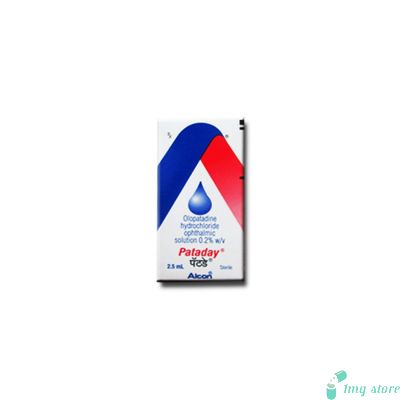
| Equivalent Brand | : | Pataday |
| Generic Search | : | Olopatadine |
Latest Products