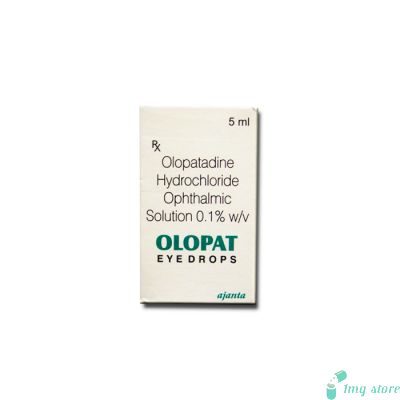
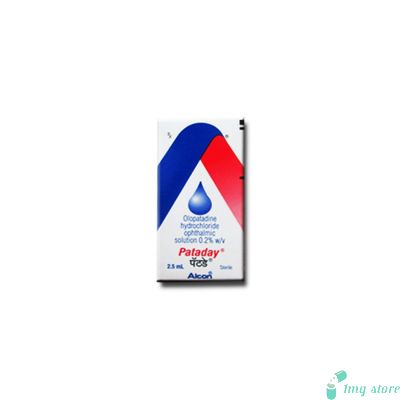
Winolap Eye Drop (Olopatadine): Anti-Allergic Eye Drop | For Relief from Eye Allergies, Itching, Redness and Watering
Winolap Eye Drop contains olopatadine, an antihistamine used to relieve eye allergy symptoms such as itching, redness, watering, and irritation. It works by blocking histamine, a substance released during allergic reactions, helping reduce discomfort caused by allergens such as pollen, dust, and pet dander. Use it as directed by your eye-care professional.


Product Overview
Winolap Eye Drop (Olopatadine) is an antiallergic eye medication used to relieve eye discomfort caused by allergies, such as itching, redness, watering, and irritation. It works by blocking the effects of histamine, a chemical released during allergic reactions. This helps calm allergic symptoms and makes the eyes feel more comfortable.
How Does Winolap Eye Drop Work? (Pharmacodynamics)
Olopatadine works in two ways to control allergic eye symptoms:
Antihistamine Action: Blocks H1 histamine receptors, reducing itching, redness, and watering caused by allergic reactions.
Mast Cell Stabilisation: Helps prevent mast cells from releasing histamine and other substances that trigger allergy symptoms.
Together, these actions help reduce existing allergic discomfort and control further allergic reactions.
Understanding Its Role in the Eyes
Winolap Eye Drop acts directly on the eyes to relieve allergy-related irritation. It helps reduce the urge to rub itchy eyes, controls watering, and improves overall eye comfort. It is mainly useful for allergic conjunctivitis and does not treat bacterial or viral eye infections.
Understanding Its Composition
Ingredient | Category | Role |
|---|---|---|
Olopatadine | Antihistamine | Blocks histamine activity and helps prevent allergic eye symptoms. |
Expected Results
Relief from itching and irritation may begin after using the drops, although the response can vary depending on the severity of the allergy. Regular use as prescribed may help keep symptoms under control.
Pharmacokinetics: How the Body Processes It
After application, olopatadine acts mainly on the surface of the eyes.
Absorption: A small amount may enter the bloodstream through the eye tissues.
Processing: The absorbed portion is processed mainly by the body through metabolic pathways.
Elimination: Olopatadine and its metabolites are primarily removed through urine.
Clinical Considerations
Contact lenses: Remove contact lenses before application and follow your healthcare professional's advice about when to wear them again.
Other eye drops: Maintain the recommended gap between different eye medications.
Temporary discomfort: Mild burning, stinging, or blurred vision may occur briefly after application.
Driving: Wait until your vision becomes clear before driving or operating machinery.
Proper application: Avoid touching the dropper tip to your eyes or any surface to prevent contamination.
Persistent symptoms: Consult an eye specialist if irritation worsens or does not improve.
Storage Instructions
Store Winolap Eye Drop in a cool, dry place, away from direct sunlight and excessive heat. Keep the bottle tightly closed and follow the storage instructions on the label. Keep it out of reach of children.
Summary
Winolap Eye Drop (Olopatadine) helps manage allergic eye symptoms by blocking histamine and reducing the release of allergy-triggering substances. Using it correctly as prescribed can help relieve itching, redness, and watering while improving everyday eye comfort.
Precautions
Winolap Eye Drop (Olopatadine) should be used carefully to avoid irritation and ensure proper eye care. Incorrect application, contact lens use, or sensitivity to the ingredients may cause discomfort or unwanted reactions. Following the recommended instructions can help you use the drops safely.
Before You Start
Check for allergies: Inform your doctor if you are allergic to olopatadine or any other ingredient in the eye drops.
Discuss existing eye conditions: Tell your doctor if you have an eye infection, injury, or any ongoing eye problem.
Mention other eye medicines: Inform your doctor about any other eye drops or ointments you use to avoid possible interactions.
Pregnancy or breastfeeding: Consult your doctor before using Winolap during pregnancy or breastfeeding.
Check contact lens compatibility: Some formulations may contain preservatives that can affect soft contact lenses. Check the product instructions before use.
While Using It
Follow the prescribed dose: Use Winolap exactly as directed. Do not apply more drops than recommended.
Maintain cleanliness: Wash your hands before application and avoid touching the dropper tip to your eyes, fingers, or other surfaces.
Remove contact lenses: Take out your contact lenses before applying the drops and wait at least 10 minutes before putting them back, if permitted by the product instructions.
Avoid contamination: Keep the bottle tightly closed and do not share your eye drops with anyone.
Wait before using other eye drops: Leave an interval of at least 5 minutes between different eye medications, unless your doctor advises otherwise.
Avoid driving immediately: If your vision becomes temporarily blurred after application, wait until it clears before driving or operating machinery.
When to Seek Medical Help
Severe eye irritation: Contact your doctor if you experience persistent burning, redness, itching, or swelling.
Vision changes: Seek medical advice if you notice blurred vision that does not improve or any sudden change in eyesight.
Allergic reactions: Stop using the drops and seek medical attention if you develop significant eyelid swelling, facial swelling, or breathing difficulties.
Worsening eye symptoms: Consult your doctor if eye discomfort, redness, or watering becomes worse or does not improve.
Note:
Winolap Eye Drop should be used according to your doctor's instructions. Avoid touching the dropper tip to any surface, as this can contaminate the solution. Do not use the drops longer than recommended, and consult your doctor if eye symptoms persist or worsen.
Usage
Follow the prescribed instructions: Use Winolap Eye Drop (Olopatadine) according to your eye specialist's directions and the instructions provided on the packaging.
Apply the recommended drops: Put the prescribed number of drops into the affected eye or eyes. Avoid using more drops than recommended.
Maintain proper hygiene: Wash your hands before applying the drops and avoid touching the dropper tip against your eyes, eyelids, or other surfaces.
Missed a dose? Apply it when you remember. If it is nearly time for your next dose, skip the missed one and continue with your regular schedule. Do not use extra drops to make up for it.
Using other eye medicines? Leave an appropriate gap between different eye drops, as advised by your eye specialist. If you wear contact lenses, follow the product instructions regarding their removal and reinsertion.
Watch for eye reactions: Mild burning, temporary blurred vision, dryness, or eye discomfort may occur. Consult your eye specialist if irritation persists or worsens.
Uses
Winolap Eye Drop contains Olopatadine, an antihistamine that helps manage eye allergy symptoms by blocking the effects of histamine, a substance released during allergic reactions.
Allergic conjunctivitis: Helps relieve symptoms caused by allergic inflammation of the eyes.
Eye itching: Reduces itching associated with seasonal eye allergies.
Eye redness: Helps ease redness caused by allergic reactions.
Watery eyes: Helps reduce excessive watering associated with eye allergies.
Allergy-related discomfort: Provides relief from symptoms such as irritation and discomfort caused by exposure to allergens like pollen, dust, and pet dander.
Summary: Winolap Eye Drop helps manage common eye allergy symptoms by blocking histamine activity. Use it as directed by your eye specialist, maintain proper dropper hygiene, and seek medical advice if symptoms do not improve or become worse.
Side Effects
Winolap Eye Drop contains olopatadine, an antihistamine medicine used to relieve eye itching and other symptoms associated with allergic eye conditions. Like other eye drops, it may cause some side effects, although not everyone experiences them. Most are mild and temporary.
Common Side Effects
Eye irritation: You may feel mild discomfort or irritation after applying the drops.
Burning or stinging: A slight burning sensation may occur immediately after application.
Dry eyes: Your eyes may feel dry or uncomfortable.
Blurred vision: You may experience temporary blurring shortly after using the drops.
Eye redness: Mild redness may occur in some people.
Unusual taste: You may notice a slightly bitter taste in your mouth.
Headache: Some people may experience mild headaches.
Serious Side Effects
Severe allergic reactions: Facial swelling, severe itching, or difficulty breathing requires immediate medical attention.
Severe eye irritation: Persistent burning, redness, or discomfort should be checked by a doctor.
Eye swelling: Unusual swelling around the eyes or eyelids needs medical assessment.
Vision changes: Persistent blurred vision or sudden changes in vision require prompt medical attention.
Note: Use Winolap Eye Drop exactly as prescribed. Wash your hands before application and avoid touching the dropper tip to your eyes or other surfaces. Remove contact lenses before use and follow your doctor's advice about when to put them back in. Seek medical advice if irritation persists or worsens.
FAQs
1. What is Winolap Eye Drop used for?
Winolap Eye Drop contains olopatadine and is used to relieve allergy-related eye symptoms such as itching, redness, watering, and irritation.
2. How does Winolap Eye Drop work?
It blocks histamine, a substance released during allergic reactions. This helps reduce itching, redness, and other allergy-related eye discomfort.
3. How should Winolap Eye Drop be used?
Put the prescribed number of drops into the affected eye or eyes. Avoid touching the dropper tip to your eyes, eyelids, or other surfaces.
4. Can Winolap Eye Drop be used every day?
Yes, it may be used regularly during allergy seasons or as prescribed by your doctor. Follow the recommended frequency and duration.
5. What are the common side effects of Winolap Eye Drop?
Some people may experience temporary blurred vision, mild burning, stinging, dryness, or irritation after applying the drops.
6. How long does Winolap Eye Drop take to relieve itching?
It may start relieving allergic eye itching within a short time after application. Regular use as prescribed can help keep symptoms under control.
7. Can I wear contact lenses while using Winolap Eye Drop?
Remove contact lenses before applying the drops. Wait at least 10 minutes before putting them back in, unless your doctor advises otherwise.
8. Can Winolap Eye Drop be used with other eye drops?
Yes, but if you use other eye medicines, leave at least 5 minutes between applications to prevent one drop from washing out the other.
9. Can Winolap Eye Drop be used for an eye infection?
No. Winolap is intended to relieve allergic eye symptoms and does not treat bacterial or viral eye infections. Consult your doctor if you have eye pain, discharge, or worsening redness.
10. What precautions should I take while using Winolap Eye Drop?
Avoid touching the dropper tip, sharing the bottle, or using the drops beyond their recommended period. If you experience persistent irritation, eye pain, or changes in vision, seek medical advice.
Interactions
Using Winolap Eye Drops along with certain other eye drops or medicines may affect how well they work or increase the chance of irritation and other side effects. Using multiple eye treatments too close together may also affect their proper absorption. Inform your healthcare professional about all eye drops, ointments, and medicines you use.
1. Other Eye Drops
Using multiple eye drops at the same time may affect how well each medicine is absorbed.
Keep at least 5–10 minutes between different eye drops, as advised by your healthcare professional.
2. Other Allergy Medicines
Some allergy medicines may increase dryness or irritation in the eyes when used together.
Tell your healthcare professional if you use other allergy treatments.
3. Other Eye Ointments
Applying eye ointments along with Winolap may affect how the drops are absorbed.
Use eye drops before applying ointments, following medical advice.
Tips to Avoid Interactions
Inform your healthcare professional about all eye drops and medicines you use.
Avoid using multiple eye treatments without checking whether they can be combined.
Follow the recommended gap between different eye products.
Note: Not all combinations cause problems, but proper spacing and medical guidance can help prevent unwanted effects. Consult your healthcare professional if eye irritation, redness, or discomfort worsens.
| Manufacturer | : | Sun Pharma, India |
| Equivalent Brand | : | Pataday |
| Generic Search | : | Olopatadine Hcl |
Latest Products