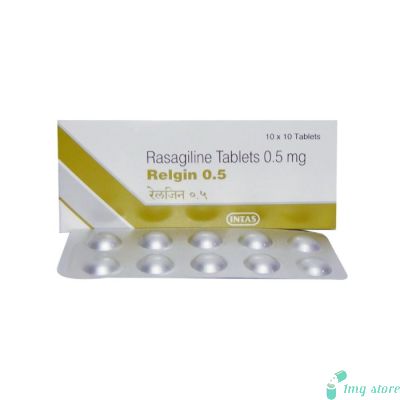
Relgin Tablet (Rasagiline): Medicine for Parkinson’s Disease | Helps Manage Movement Difficulties and Stiffness
Relgin Tablet (Rasagiline) is a medication specifically designed for the treatment of Parkinson's disease. Rasagiline is also referred to as Azilect. Its primary goal is to improve control over body movements and alleviate symptoms such as excessive shaking and stiffness.


Product Overview
Relgin Tablet contains rasagiline, a medicine used to help manage the symptoms of Parkinson’s disease. It works by helping maintain the level of dopamine, a chemical messenger in the brain that plays an important role in controlling body movements. By supporting dopamine activity, Relgin may help improve movement and make everyday activities easier for some people.
How Does Relgin Tablet Work?
Rasagiline blocks an enzyme called MAO-B, which normally breaks down dopamine in the brain. This helps dopamine remain available for longer, supporting better control of movement and coordination.
Understanding Its Role in the Body
Relgin Tablet helps manage symptoms such as stiffness, slowed movements, and difficulty with everyday tasks. It may be prescribed alone or alongside other Parkinson’s medicines, depending on individual needs. It helps control symptoms but does not cure the condition.
Expected Results
The response to Relgin can vary from person to person. Improvements may develop gradually, and regular use as prescribed is important. Do not change the dose or stop taking it without consulting your healthcare professional.
Pharmacokinetics: How the Body Processes It
After you take Relgin Tablet, rasagiline is absorbed into the bloodstream and processed mainly by the liver. The body then removes its breakdown products, primarily through urine. Although the medicine itself leaves the bloodstream relatively quickly, its effect on the MAO-B enzyme lasts longer.
Clinical Considerations
Blood pressure: Relgin may affect blood pressure. Tell your healthcare professional if you have high or low blood pressure.
Other medicines: Inform your doctor about all medicines and supplements you take, as rasagiline can interact with certain antidepressants, pain medicines, and cough or cold products.
Existing conditions: Discuss any liver problems or other ongoing health conditions before starting treatment.
Daily activities: Dizziness or sleepiness may occur in some people. Be careful when driving until you know how the medicine affects you.
Safe use: Take the prescribed dose consistently and do not stop treatment suddenly without medical advice.
Storage Instructions
Keep Relgin Tablets in their original packaging, in a dry place away from excessive heat and moisture. Store them out of children's reach and follow the storage directions on the product packaging.
Conclusion
Relgin Tablet helps support movement and manage symptoms associated with Parkinson’s disease by maintaining dopamine activity in the brain. Use it regularly as prescribed and stay in touch with your healthcare professional to review your progress and treatment needs.
Precautions
Relgin Tablet contains rasagiline, a medicine used to manage symptoms of Parkinson’s disease, such as stiffness, slowness of movement, and difficulty with everyday activities. It works by helping maintain dopamine levels in the brain. Before starting this medicine, it is important to understand its precautions and follow your healthcare professional’s advice.
Before You Start
Consult your healthcare professional: Discuss whether rasagiline is suitable for you and your current symptoms.
Share your medical history: Inform your doctor if you have liver problems or experience frequent dizziness or low blood pressure.
Mention other medicines: Tell your doctor about all medicines and supplements you take, especially antidepressants, other Parkinson’s medicines, and certain pain medicines.
Check for allergies: Report any previous allergic reaction to rasagiline or its ingredients.
Discuss pregnancy or breastfeeding: Seek medical advice before using this medicine.
While Using It
Follow the prescribed dose: Take Relgin exactly as directed. Do not change the dose yourself.
Be careful when standing up: Rasagiline may cause dizziness or a drop in blood pressure. Rise slowly from sitting or lying down.
Watch for unusual movements: Inform your doctor if you notice new or worsening involuntary movements.
Check before taking new medicines: Some medicines can interact with rasagiline, so consult your doctor or pharmacist before starting anything new.
Be mindful of alertness: If you feel unusually sleepy or dizzy, avoid driving or operating machinery.
Follow dietary advice: Ask your healthcare professional about foods high in tyramine, particularly if you consume large amounts of aged, fermented, or improperly stored foods.
When to Seek Medical Help
Persistent side effects: Contact your doctor if dizziness, headaches, or unusual movements continue.
Unusual behaviour: Report new confusion, hallucinations, or significant changes in behaviour.
Possible serious interaction: Seek urgent medical attention for severe headache, chest pain, marked agitation, fever, or a rapid heartbeat.
Note:
Relgin Tablet should be taken as prescribed. Always check with your healthcare professional before combining it with other medicines, and do not stop or change your regular treatment without medical advice.
Usage
Follow your doctor's instructions: Take Relgin Tablet (Rasagiline) exactly as prescribed, at the recommended dose and time.
Take it regularly: Try to take the tablet at the same time each day to maintain a consistent routine. Do not change the dose or stop taking it without medical advice.
Missed a dose? Skip the missed dose and take your next dose at the usual time. Do not take two doses together.
Check before combining medicines: Tell your doctor about all medicines and supplements you use, especially antidepressants, other Parkinson's medicines, and certain pain medicines, as interactions may occur.
Share your medical history: Inform your doctor if you have liver problems or any other ongoing medical conditions before starting treatment.
Monitor how you feel: Contact your doctor if you experience persistent dizziness, headaches, unusual sleepiness, or changes in movement.
Uses
Relgin Tablet contains Rasagiline, a medicine used to help manage symptoms of Parkinson's disease, a condition that affects movement and coordination.
Helps control movement symptoms: May help reduce stiffness, slowness of movement, and difficulty moving.
Supports smoother movement: Helps improve control over everyday activities when used as prescribed.
Works with other treatments: May be used alone in some cases or alongside other Parkinson's medicines, depending on the patient's needs.
Supports daily activities: Symptom management may help make routine movements more comfortable.
Conclusion: Relgin Tablet helps manage Parkinson's-related movement difficulties by supporting the activity of dopamine in the brain. Take it consistently as prescribed, and consult your doctor if symptoms change or you experience unexpected side effects.
Side Effects
Relgin Tablets contain rasagiline, a medicine used to help manage the symptoms of Parkinson’s disease by supporting dopamine activity in the brain. Like other medicines, it may cause side effects in some people, although not everyone experiences them.
Common Side Effects
Headache: You may experience mild or occasional headaches.
Joint pain: Some people may notice discomfort in their joints.
Indigestion: You may experience an upset stomach or digestive discomfort.
Nausea: You may feel sick, especially when starting treatment.
Dizziness: You may feel lightheaded, particularly when standing up.
Unusual movements: Some people may notice increased or involuntary movements.
Serious Side Effects
Severely increased blood pressure: A sudden, severe headache, chest pain, or changes in vision need urgent medical assessment.
Serotonin syndrome: Agitation, fever, sweating, confusion, muscle stiffness, or a rapid heartbeat may indicate a serious reaction, particularly when combined with certain medicines.
Hallucinations or confusion: Seeing or hearing things that are not there, or experiencing significant confusion, should be reported promptly.
Sudden sleepiness: Unexpectedly falling asleep during daily activities can be dangerous. Avoid driving and contact your healthcare professional.
Severe allergic reactions: Swelling of the face or throat, or difficulty breathing, requires emergency medical care.
Note: Take Relgin Tablets only as prescribed. Inform your doctor about all medicines you use, especially antidepressants, other Parkinson’s medicines, and cough or cold products. Avoid stopping treatment or changing your dose without medical advice. Seek medical attention if side effects persist or worsen.
FAQs
1. What is Relgin Tablet used for?
Relgin Tablet contains rasagiline and is used to manage the symptoms of Parkinson’s disease, such as stiffness, slow movements, and difficulty moving.
2. How does Relgin Tablet work?
Rasagiline helps increase the availability of dopamine in the brain by slowing its breakdown. Dopamine helps control smooth and coordinated body movements.
3. How should I take Relgin Tablet?
Take Relgin Tablet exactly as prescribed by your doctor, usually once daily. Swallow it with water, with or without food, as directed.
4. What are the common side effects of Relgin Tablet?
Some people may experience headache, dizziness, joint pain, indigestion, or involuntary movements. Side effects can vary from person to person.
5. How long does Relgin Tablet take to work?
The time it takes to notice improvement varies. Some people may notice changes within days or weeks, while others may need more time. Continue treatment as prescribed.
6. Can Relgin Tablet be taken with other Parkinson’s medicines?
Yes, it may be prescribed alongside medicines such as levodopa. However, the combination may increase certain side effects, including involuntary movements, so your doctor may need to adjust the treatment.
7. Can I stop taking Relgin Tablet suddenly?
Do not stop taking Relgin Tablet without consulting your doctor. Your doctor can guide you on how to manage changes in your treatment safely.
8. Which foods should I avoid while taking Relgin Tablet?
Follow your doctor's dietary advice. Although dietary restrictions are usually less extensive at the prescribed dose, large amounts of tyramine-rich foods, such as aged cheeses and cured or fermented foods, may require caution.
9. Can Relgin Tablet interact with other medicines?
Yes, it can interact with certain antidepressants, tramadol, some cough medicines containing dextromethorphan, and other medications. Tell your doctor about all medicines and supplements you take before starting treatment.
10. What precautions should I follow while taking Relgin Tablet?
Inform your doctor if you have liver problems or experience excessive sleepiness, sudden sleep episodes, or a drop in blood pressure when standing. Avoid driving if you feel sleepy or dizzy, and take the medicine exactly as prescribed.
Interactions
General Interaction Overview
Relgin Tablet contains Rasagiline, a medicine used to help manage the symptoms of Parkinson’s disease. It works by increasing dopamine activity in the brain. Certain medicines, foods, and supplements may interact with rasagiline and increase the risk of side effects or affect how it works. Always inform your healthcare provider about everything you take.
1. Other Parkinson’s Disease Medicines
Combining rasagiline with other Parkinson’s medicines, such as levodopa, may increase side effects like dizziness, low blood pressure, or involuntary movements.
Tell your healthcare provider about all your Parkinson’s medicines so they can monitor your response.
2. Antidepressants
Certain antidepressants, including fluoxetine, sertraline, and some other mood-related medicines, may cause serious interactions with rasagiline.
Consult your doctor before taking any antidepressant with Relgin. Some combinations must be avoided, and appropriate waiting periods may be required when switching medicines.
3. Opioid Painkillers and Certain Cough Medicines
Medicines such as tramadol, methadone, and dextromethorphan may interact with rasagiline and increase the risk of serious reactions.
Check with your healthcare provider before using prescription painkillers or over-the-counter cough and cold products.
4. Other Medicines That Affect Brain Chemicals
Certain medicines, including other MAO inhibitors, may interact with rasagiline and increase the risk of dangerous blood pressure changes or other serious reactions.
Inform your healthcare provider before starting any medicine that affects the nervous system.
5. Blood Pressure Medicines
Relgin may contribute to low blood pressure, especially when standing up. Taking it with blood pressure medicines may increase dizziness or the risk of fainting.
Rise slowly from sitting or lying down and tell your doctor if you experience frequent dizziness or fainting.
6. Certain Foods and Supplements
Large amounts of tyramine-rich foods, such as aged cheeses, cured meats, and fermented products, may require caution, particularly when consumed in excessive quantities. Some supplements may also interact with rasagiline.
Follow your healthcare provider’s dietary advice and check before using herbal products or supplements.
Tips to Avoid Interactions
Share a complete list of your prescription medicines, over-the-counter products, and supplements with your healthcare provider.
Check with your doctor or pharmacist before taking new cough, cold, pain, or mood-related medicines.
Take Relgin exactly as prescribed and do not stop or change the dose without medical advice.
Note: Not every combination causes a problem, but some interactions can be serious. Seek urgent medical help if you develop a sudden severe headache, chest pain, fainting, or a high fever with confusion or agitation.
| Manufacturer | : | Intas Pharma, India |
| Equivalent Brand | : | Azilect |
| Generic Search | : | Rasagiline |
Latest Products