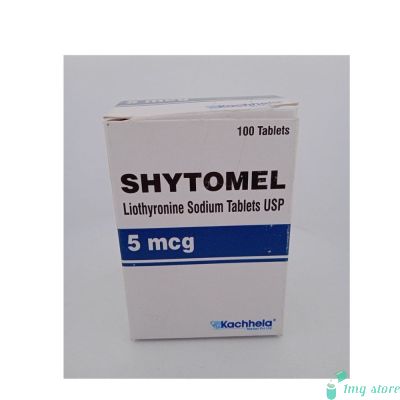
Shytomel Duo (T3+T4) Tablets (Levothyroxine + Levothyroxine)| For Hypothyroidism and Thyroid Hormone Deficiency Management
Shytomel Duo Tablets contain a combination of Levothyroxine (T4) and Liothyronine (T3), used to treat hypothyroidism. It helps restore normal thyroid hormone levels, improving energy, metabolism, and overall well-being in patients with an underactive thyroid.


Product Overview
Shytomel Duo Tablet combines two thyroid hormones, Levothyroxine (T4) and Liothyronine (T3), which are used to support thyroid hormone levels in people with an underactive thyroid when combination therapy is prescribed. These hormones help regulate important body functions, including metabolism, energy use, body temperature, and heart activity. By supplying both T4 and T3, Shytomel Duo helps maintain thyroid hormone balance and supports normal metabolic activity.
How Does Shytomel Duo Tablet Work? (Pharmacodynamics)
The two ingredients work together to maintain thyroid hormone activity:
Levothyroxine (T4): Provides a supply of thyroxine, which is gradually converted into the more active T3 hormone in different body tissues.
Liothyronine (T3): Supplies the active thyroid hormone directly, helping regulate how cells use energy and perform essential functions.
Together, they help restore thyroid hormone levels and support processes such as metabolism, temperature regulation, and energy production.
Understanding Its Role in the Body
Shytomel Duo helps replace thyroid hormones that the body does not produce in sufficient amounts. When thyroid hormone levels are low, people may experience tiredness, weight gain, sensitivity to cold, dry skin, or difficulty concentrating.
By supporting hormone levels, the medicine may gradually help improve these symptoms. However, the right balance is important because excessive thyroid hormone can also affect the heart, bones, and metabolism.
Expected Results
The response to Shytomel Duo varies depending on the degree of thyroid hormone deficiency and individual response. Some symptoms may improve over a few weeks, while others can take longer. Regular thyroid function tests, including TSH and sometimes T3 and T4 measurements, help assess treatment response and guide dose adjustments.
Pharmacokinetics: How the Body Processes It
After oral administration, both thyroid hormones enter the bloodstream and are distributed to different body tissues.
Absorption: Levothyroxine and liothyronine are absorbed through the small intestine. Food, calcium, iron, and certain other medicines may reduce their absorption.
Distribution: Both hormones circulate in the blood, largely attached to carrier proteins, and reach tissues throughout the body.
Metabolism: T4 is gradually converted into active T3 in different tissues, while T3 can act directly on thyroid hormone receptors.
Elimination: Both hormones are broken down mainly through the liver and other tissues, with their breakdown products eliminated through urine and bile.
T4 remains in the body much longer than T3, while T3 has a faster onset and shorter duration of action.
Clinical Considerations
Heart health: Excess thyroid hormone may cause a fast heartbeat, palpitations, chest discomfort, or irregular heart rhythm. Inform your doctor about any existing heart condition.
Bone health: Taking more thyroid hormone than needed over time may contribute to bone loss and increase the risk of fractures.
Medicine interactions: Calcium supplements, iron tablets, antacids, and certain cholesterol medicines may interfere with hormone absorption. Keep an appropriate time gap as advised by your healthcare professional.
Pregnancy: Thyroid hormone requirements may change during pregnancy. Do not stop or adjust treatment without medical guidance.
Regular monitoring: Thyroid function tests are important to check whether the prescribed combination is maintaining appropriate hormone levels.
Correct administration: Take the tablet consistently as directed, usually on an empty stomach before breakfast. Avoid changing the dose yourself.
Storage Instructions
Store Shytomel Duo Tablets at room temperature, away from excessive heat, moisture, and direct sunlight. Keep them in their original packaging and out of reach of children. Follow the storage instructions provided on the product label.
Summary
Shytomel Duo combines T3 and T4 thyroid hormones to support normal thyroid function and metabolic activity when combination replacement therapy is needed. Consistent use, correct timing, and regular thyroid testing help maintain appropriate hormone levels and support treatment effectiveness.
Precautions
Shytomel Duo Tablets contain two thyroid hormones, so taking the correct dose and following a consistent routine are important. Too much thyroid hormone may affect heart rate, sleep, and metabolism, while certain health conditions and medicines may require extra care. Keep the following precautions in mind before and during treatment.
Before You Start
Consult your doctor: Discuss whether this combination is suitable for your thyroid condition.
Discuss heart problems: Inform your doctor if you have heart disease, high blood pressure, or an irregular heartbeat.
Mention other health conditions: Share any history of diabetes, adrenal gland problems, or other hormonal disorders.
Check other medicines: Inform your doctor about calcium, iron, antacids, diabetes medicines, and blood thinners, as they may affect treatment.
Pregnancy or breastfeeding: Seek medical advice about your dose and treatment requirements.
While Using It
Follow the prescribed dose: Do not increase or reduce the dose without medical advice.
Take it consistently: Follow your doctor's instructions regarding timing, usually on an empty stomach before breakfast.
Separate certain supplements: Keep calcium and iron supplements at least four hours apart from thyroid medication, as they can reduce absorption.
Avoid self-adjusting the dose: Do not take extra tablets if you feel tired or notice changes in weight.
Attend regular checkups: Thyroid blood tests may be needed to monitor hormone levels and adjust the dose.
Watch for excess hormone effects: Notice symptoms such as a fast heartbeat, sweating, trembling, nervousness, or difficulty sleeping.
When to Seek Medical Help
Heart-related symptoms: Seek medical attention for chest pain, a rapid or irregular heartbeat, or unusual breathlessness.
Possible excessive dosing: Report persistent sweating, tremors, diarrhoea, or unexplained weight loss.
Allergic reactions: Seek immediate help for facial swelling, widespread rash, or difficulty breathing.
Note:
Shytomel Duo should be taken only as prescribed, with regular monitoring of thyroid hormone levels. Do not change the dose or stop treatment on your own, even if you start feeling better.
Usage
Take it as prescribed: Shytomel Duo (Levothyroxine + Liothyronine) should be taken exactly as directed by your doctor. The dose depends on your thyroid hormone levels and individual response to treatment.
Take it on an empty stomach: It is generally recommended to take the tablet in the morning with a glass of water, around 30–60 minutes before breakfast. This helps the body absorb the medicine properly.
Maintain a consistent routine: Try to take it at the same time every day. Avoid frequently changing the timing, as consistency helps maintain stable thyroid hormone levels.
Keep certain supplements separate: Calcium and iron supplements, as well as some antacids, can interfere with thyroid hormone absorption. Keep an interval of about four hours between these products and Shytomel Duo, unless your doctor advises otherwise.
Missed a dose? Take it when you remember, unless it is close to your next scheduled dose. Do not take two tablets together to compensate for a missed dose without medical advice.
Inform your doctor about other medicines: Certain medicines, supplements, and hormonal treatments can affect thyroid hormone levels or absorption. Share your current medication list before starting treatment.
Watch for changes: Notice symptoms such as unusual sweating, a racing heartbeat, nervousness, trembling, or difficulty sleeping, as these may indicate that the dose needs review.
Attend thyroid check-ups: Regular TSH and thyroid hormone tests help your doctor understand how well the treatment is working and whether any dose adjustment is needed.
Uses
Shytomel Duo contains Levothyroxine (T4) and Liothyronine (T3), two forms of thyroid hormones that help regulate the body's metabolism, energy use, and several important body functions. It may be prescribed in selected cases of hypothyroidism when thyroid hormone replacement is required.
Management of hypothyroidism: Helps replace thyroid hormones when the thyroid gland does not produce enough naturally.
Supports metabolic function: Thyroid hormones help regulate how the body uses energy and maintains its metabolic activity.
Helps manage thyroid-related symptoms: Appropriate hormone replacement may improve symptoms such as tiredness, feeling unusually cold, and low energy associated with an underactive thyroid.
Supports normal body functions: Thyroid hormones play an important role in regulating heart activity, body temperature, digestion, and other metabolic processes.
Provides T3 and T4 replacement: Levothyroxine supplies T4, which the body can convert into T3, while liothyronine provides the active T3 hormone directly.
Side Effects
Like other thyroid medicines, they may cause side effects, particularly if the dose is higher than required or the body receives more thyroid hormone than it needs. Not everyone experiences these effects.
Common Side Effects
Palpitations: You may notice a faster or more noticeable heartbeat.
Headache: Mild or recurring headaches may occur.
Increased sweating: You may sweat more than usual, even in comfortable temperatures.
Difficulty sleeping: You may feel restless or have trouble falling asleep.
Nervousness or anxiety: You may feel unusually anxious, irritable, or restless.
Diarrhoea: You may experience frequent or loose bowel movements.
Tremors: Your hands may feel shaky.
Weight changes: You may notice unexpected weight loss or increased appetite.
Serious Side Effects
Irregular heartbeat: An unusually fast or uneven heartbeat may require urgent medical attention.
Chest pain: Chest discomfort or pain may indicate a serious heart-related problem.
Breathing difficulties: Shortness of breath, especially with chest discomfort, needs immediate medical assessment.
Severe allergic reactions: Facial swelling, skin rash, or difficulty breathing requires emergency care.
Bone weakness: Excessive thyroid hormone levels over time may reduce bone strength and increase the risk of bone loss.
Note: Inform your doctor if you have heart problems, diabetes, or osteoporosis. Seek medical attention if side effects persist or worsen.
FAQs
1. What is Shytomel Duo Tablet used for?
Shytomel Duo contains levothyroxine (T4) and liothyronine (T3), two thyroid hormones used to manage hypothyroidism, a condition in which the thyroid gland does not produce enough hormones.
2. How does Shytomel Duo work?
It helps replace the thyroid hormones that the body cannot produce in sufficient amounts. T4 is converted into the active T3 hormone in the body, while liothyronine provides T3 directly, helping support normal metabolism and body functions.
3. When should I take Shytomel Duo Tablet?
It is generally taken in the morning on an empty stomach, with water, as directed by your doctor. Follow a consistent daily schedule for better absorption.
4. Can Shytomel Duo be taken with food?
It is best taken on an empty stomach, usually 30–60 minutes before breakfast. Food, coffee, and certain supplements may affect how well thyroid hormones are absorbed.
5. What happens if I miss a dose of Shytomel Duo?
Take the missed dose when you remember, unless it is almost time for your next dose. Do not double the dose to make up for the missed one. Ask your doctor if you are unsure.
6. What are the common side effects of Shytomel Duo?
Possible side effects include palpitations, headache, sweating, nervousness, tremors, difficulty sleeping, and changes in appetite. These may occur if the dose is higher than your body needs.
7. Can Shytomel Duo help with weight gain caused by hypothyroidism?
By correcting low thyroid hormone levels, it may help manage weight changes associated with untreated hypothyroidism. However, it is not a weight-loss medicine and should not be used for weight management.
8. Can I take calcium or iron supplements with Shytomel Duo?
Calcium and iron can interfere with thyroid hormone absorption. Keep a gap of at least four hours between these supplements and Shytomel Duo, unless your doctor advises otherwise.
9. Can Shytomel Duo be taken during pregnancy?
Thyroid hormone requirements can change during pregnancy, so treatment needs careful monitoring. Do not start, stop, or change the dose without consulting your doctor.
10. Can I stop taking Shytomel Duo once my thyroid levels become normal?
No. Normal thyroid levels may indicate that the treatment is working. Stopping suddenly or changing the dose without medical advice may cause thyroid hormone levels to become abnormal again.
Interactions
Certain medicines, supplements, and foods can affect how these thyroid hormones are absorbed or used by the body. Some combinations may change thyroid hormone levels and affect how well the treatment works.
1. Calcium and Iron Supplements
Calcium and iron supplements may reduce the absorption of thyroid hormones.
Keep a gap of at least 4 hours between Shytomel Duo and these supplements.
2. Antacids and Acidity Medicines
Antacids containing aluminium or magnesium may interfere with hormone absorption.
Tell your healthcare professional if you regularly take medicines for acidity.
3. Diabetes Medicines
Thyroid hormones may affect blood sugar levels and change your need for insulin or other diabetes medicines.
Monitor your blood sugar as advised.
4. Blood-Thinning Medicines
Medicines such as warfarin may have stronger effects when thyroid hormone levels change.
Your healthcare professional may need to monitor blood clotting.
5. Cholesterol-Lowering Medicines
Medicines such as cholestyramine and colesevelam may reduce the absorption of thyroid hormones.
These medicines may need to be taken several hours apart.
6. Certain Heart Medicines
Medicines such as amiodarone may affect thyroid function and hormone levels.
Inform your healthcare professional if you take medicines for heart rhythm problems.
7. Food and Beverages
Soy products, high-fibre foods, and coffee taken too close to your dose may affect hormone absorption.
Take Shytomel Duo consistently as directed, usually on an empty stomach with water.
Tips to Avoid Interactions
Share a complete list of your medicines, vitamins, and supplements with your healthcare professional.
Maintain the recommended gap between thyroid tablets, calcium, and iron supplements.
Take your tablet at the same time each day as advised.
Do not change your dose or stop treatment without medical advice.
Note: Interactions can affect thyroid hormone levels and may require dose adjustments or blood tests. Regular thyroid monitoring helps your healthcare professional check whether your treatment is working properly.
| Manufacturer | : | Kachhela Medex Pvt. Ltd. |
| Equivalent Brand | : | |
| Generic Search | : | Levothyroxine + Liothyronine |
Latest Products