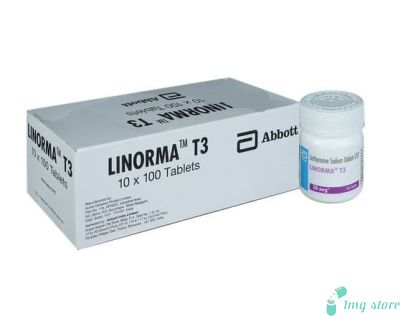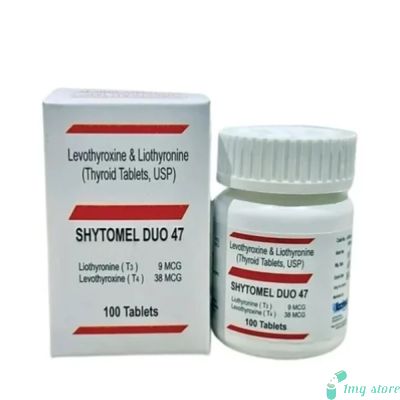
Shytomel Tablets (Liothyronine): Thyroid Hormone (T3) Therapy | For Hypothyroidism, Thyroid Hormone Deficiency Management
Shytomel Tablet contains Liothyronine sodium, a synthetic form of the active thyroid hormone (T3), used to treat hypothyroidism and other thyroid-related disorders. It helps restore normal hormone levels in the body, improving metabolism, energy production, and overall bodily functions. This medicine supports proper growth, mental alertness, and organ function.


Product Overview
Shytomel Tablet contains Liothyronine (T3), a synthetic form of the thyroid hormone triiodothyronine. It is used to manage hypothyroidism, a condition in which the thyroid gland does not produce enough hormones to support normal body functions. T3 plays an important role in regulating metabolism, energy use, body temperature, and heart activity. By replacing the missing thyroid hormone, Shytomel helps restore hormone levels and supports normal metabolic activity.
How Does Shytomel Tablet Work? (Pharmacodynamics)
Liothyronine works by replacing the T3 hormone that the body normally produces through the thyroid gland. It enters cells and binds to thyroid hormone receptors, influencing how genes involved in metabolism and energy production function.
This helps regulate processes such as oxygen consumption, heat production, heart activity, and the breakdown of nutrients. Unlike levothyroxine (T4), which needs to be converted into T3, liothyronine is already in its active T3 form and can act directly.
Understanding Its Role in the Body
Thyroid hormones influence many everyday functions, including how quickly the body uses energy, maintains body temperature, and supports brain and muscle activity. When T3 levels are low, people may experience tiredness, sensitivity to cold, constipation, and difficulty concentrating.
Shytomel helps correct this hormonal deficiency. However, the dose must be carefully adjusted because too much thyroid hormone can also affect the heart, bones, and metabolism.
Expected Results
Some people may notice changes in energy levels and other symptoms within a few days, although improvement varies. Blood thyroid hormone levels can respond relatively quickly, but regular testing is needed to determine whether the prescribed dose is appropriate. Symptom improvement may take longer depending on the duration and severity of the hormone deficiency.
Pharmacokinetics: How the Body Processes It
After oral administration, liothyronine is absorbed mainly through the small intestine and enters the bloodstream.
Absorption: It is absorbed relatively quickly, with peak blood concentrations generally reached within a few hours.
Distribution: It circulates in the blood, mostly attached to transport proteins, and reaches tissues throughout the body.
Metabolism: The liver and other tissues process liothyronine through pathways such as deiodination and conjugation.
Elimination: Its breakdown products are removed through urine and bile. Its biological half-life is approximately 2.5 days, although this can vary with thyroid status.
Clinical Considerations
Heart health: Excessive thyroid hormone may cause a fast heartbeat, palpitations, chest discomfort, or irregular heart rhythm. People with existing heart conditions require careful monitoring.
Dose adjustment: The correct dose depends on thyroid hormone levels, age, medical history, and treatment response. Never increase or reduce it yourself.
Diabetes: Liothyronine may affect blood glucose control, so people taking diabetes medicines may need closer monitoring.
Bone health: Long-term excessive dosing may contribute to bone loss, particularly in older adults and postmenopausal women.
Medicine interactions: Iron, calcium, antacids, and certain cholesterol-lowering medicines can affect absorption. Blood thinners and some other medicines may also require dose monitoring.
Pregnancy: Thyroid hormone requirements may change during pregnancy. Continue treatment only under appropriate medical guidance and attend recommended thyroid tests.
Administration: Take it consistently at the same time each day, following your doctor's instructions. Do not use it for weight loss or as a substitute for a balanced diet.
Storage Instructions
Store Shytomel Tablets at room temperature, away from excessive heat, moisture, and direct sunlight. Keep them in their original packaging and out of reach of children. Follow the storage instructions printed on the product label.
Summary
Shytomel Tablet provides liothyronine (T3), an active thyroid hormone that helps regulate metabolism, energy use, and other essential body functions. It can help manage symptoms of thyroid hormone deficiency when used at the appropriate dose. Regular thyroid testing and medical supervision are important to maintain balanced hormone levels and avoid excessive dosing.
Precautions
Certain medical conditions and other medicines may also influence how your body responds to treatment. Keep the following precautions in mind before and during use.
Before You Start
Discuss heart conditions: Inform your doctor if you have heart disease, angina, high blood pressure, or an irregular heartbeat.
Mention other health conditions: Tell your doctor if you have diabetes, adrenal gland problems, or any other ongoing medical condition.
Share your medicines: Inform your doctor about all medicines you take, particularly diabetes medicines, blood thinners, and antidepressants.
Pregnancy or breastfeeding: Seek medical advice about the appropriate dose and monitoring during this period.
Discuss bone health: Inform your doctor if you have osteoporosis or reduced bone density.
While Using It
Follow the prescribed dose: Do not increase or reduce the dose without medical advice.
Take it consistently: Follow your doctor's instructions regarding timing and food.
Attend regular checkups: Thyroid hormone levels and your response to treatment may need periodic monitoring.
Monitor blood sugar: People with diabetes may need closer glucose monitoring or adjustments to their diabetes medicines.
Watch for heart-related symptoms: Report unusual palpitations, a rapid heartbeat, or chest discomfort.
Avoid weight-loss use: Do not use Shytomel for weight loss or without a confirmed medical need.
When to Seek Medical Help
Heart symptoms: Seek medical attention for chest pain, a very fast or irregular heartbeat, or unusual breathlessness.
Excessive thyroid effects: Report persistent sweating, tremors, nervousness, or difficulty sleeping.
Unusual weakness: Contact your doctor if you experience unexplained muscle weakness or significant changes in your health.
Note:
The dose should be adjusted according to individual needs and thyroid test results. Do not change the dose yourself, as taking too much can cause serious complications.
Usage
Take it exactly as prescribed: Shytomel Tablet (Liothyronine T3) is usually taken once daily, but the dose and schedule depend on your thyroid hormone levels and treatment needs.
Take it on an empty stomach: It is generally recommended to take the tablet in the morning, preferably 30 minutes before breakfast, with a glass of water. Try to maintain the same routine every day.
Keep minerals and supplements separate: Calcium supplements, iron tablets, and certain antacids can interfere with thyroid medicine absorption. Keep an appropriate time gap, generally around four hours, as advised by your doctor.
Do not adjust the dose yourself: Thyroid hormone requirements vary between individuals. Taking more than prescribed can cause symptoms such as a racing heartbeat, sweating, or restlessness.
Missed a dose? Take it when you remember unless it is nearly time for your next dose. Do not double the next dose to compensate.
Inform your doctor about other medicines: Mention any thyroid treatments, heart medicines, diabetes medicines, or supplements you regularly take, as dose adjustments or monitoring may be necessary.
Keep up with thyroid testing: Your doctor may recommend regular thyroid blood tests to check whether the prescribed amount is appropriate and make adjustments when needed.
Discuss existing health conditions: If you have heart disease, high blood pressure, or adrenal gland problems, let your doctor know before starting treatment.
Uses
Shytomel Tablet contains Liothyronine (T3), a synthetic form of triiodothyronine, one of the main hormones naturally produced by the thyroid gland. It helps regulate how the body uses energy and supports normal metabolic activity.
Hypothyroidism: Used in selected cases to help manage an underactive thyroid when the body does not produce enough thyroid hormone.
Thyroid hormone replacement: Helps restore T3 hormone levels when additional thyroid hormone is required.
Certain thyroid treatment plans: May be prescribed in specific situations where a faster-acting thyroid hormone is needed or when a specialist recommends T3 supplementation.
Thyroid suppression testing and treatment: May be used for particular thyroid-related medical purposes under specialist supervision.
Summary
Since the correct dose is highly individual, take it consistently as prescribed and attend regular thyroid check-ups. Do not use it for weight loss or change your dose without medical guidance.
Some people may experience side effects, particularly if the dose is higher than their body's requirements. Side effects can vary depending on individual response and treatment.
Common Side Effects
Headache: You may experience mild or occasional headaches.
Nervousness: You may feel unusually anxious, restless, or uneasy.
Increased sweating: You may sweat more than usual.
Diarrhoea: You may experience loose or frequent bowel movements.
Increased heartbeat: Your heart may beat faster than usual.
Difficulty sleeping: You may experience trouble falling or staying asleep.
Increased appetite: You may feel hungry more frequently.
Weight changes: Some people may notice unexpected weight loss.
Serious Side Effects
Irregular heartbeat: Unusual or rapid heartbeats may indicate a heart-related problem.
Chest pain: Chest discomfort or pain requires immediate medical attention.
Severe breathlessness: Difficulty breathing or unusual shortness of breath needs urgent assessment.
Severe allergic reactions: Skin rash, swelling of the face or throat, or breathing difficulties require emergency care.
Bone weakness: Long-term excessive thyroid hormone exposure may reduce bone density.
Severe muscle weakness: Unusual or persistent muscle weakness should be medically assessed.
Note: Seek medical attention if you experience chest pain, severe palpitations, or breathing difficulties.
FAQs
1. What is Shytomel (Liothyronine T3) used for?
Shytomel is used to treat hypothyroidism, a condition in which the thyroid gland does not produce enough thyroid hormones. It helps restore normal thyroid hormone levels in the body.
2. How does Shytomel work?
Shytomel contains liothyronine, a synthetic form of the thyroid hormone T3. It replaces the hormone that the body cannot produce in sufficient amounts and supports normal metabolism and other essential body functions.
3. When should Shytomel be taken?
It is generally taken once daily, preferably at the same time each day. Follow your doctor's instructions regarding the timing and dose.
4. Can Shytomel be taken on an empty stomach?
Yes. It is generally recommended to take liothyronine on an empty stomach with water. Follow your doctor's advice for consistent absorption.
5. What are the common side effects of Shytomel?
Possible side effects include increased sweating, nervousness, headache, trouble sleeping, changes in appetite, and a fast heartbeat. These may occur if the dose is higher than your body needs.
6. How long does Shytomel take to show results?
Some people may notice changes in their symptoms within a few days, but improvement can vary. Regular thyroid blood tests help determine whether the treatment is working as expected.
7. Can Shytomel be taken with other thyroid medicines?
It should only be combined with other thyroid medicines, such as levothyroxine (T4), when specifically prescribed. Taking multiple thyroid hormones without medical supervision can lead to excessive hormone levels.
8. What happens if I miss a dose of Shytomel?
Take the missed dose when you remember, unless it is nearly time for your next dose. Do not double the dose to make up for the missed one. Ask your doctor if you are unsure.
9. Can Shytomel affect heart rate?
Yes. Excess thyroid hormone can cause a rapid or irregular heartbeat, palpitations, or chest discomfort. People with existing heart conditions may need closer monitoring during treatment.
10. Do I need regular tests while taking Shytomel?
Yes. Your doctor may recommend regular thyroid function tests, including TSH and T3 levels, to check your response and adjust the dose when needed. Do not change or stop the medicine on your own.
Interactions
Certain medicines, supplements, and even some foods can affect how Shytomel (Liothyronine T3) Tablets work in the body. Some may reduce its absorption, while others can change thyroid hormone levels or increase the risk of side effects. Inform your healthcare professional about everything you take before starting treatment.
1. Iron and Calcium Supplements
Supplements containing iron or calcium may reduce the amount of liothyronine absorbed by the body.
Keep an appropriate time gap between these supplements and Shytomel as advised by your healthcare professional.
2. Antacids and Stomach Medicines
Some antacids and medicines containing aluminium or magnesium may interfere with thyroid medicine absorption.
Tell your healthcare professional if you regularly take medicines for acidity or heartburn.
3. Blood-Thinning Medicines
Liothyronine may increase the effects of blood thinners such as warfarin.
Your healthcare professional may need to monitor your blood clotting levels.
4. Diabetes Medicines
Shytomel may affect blood sugar control and change the amount of insulin or diabetes medicine needed.
Monitor your blood sugar as advised.
5. Heart and Blood Pressure Medicines
Thyroid hormone may affect heart rate and how certain heart medicines work.
Inform your healthcare professional if you take medicines for heart conditions or high blood pressure.
6. Other Thyroid Medicines
Taking Shytomel with other thyroid hormone medicines may increase thyroid hormone levels.
Use such combinations only under medical supervision.
Tips to Avoid Interactions
Share a complete list of your medicines, vitamins, and supplements with your healthcare professional.
Follow the recommended timing when taking calcium, iron, or antacids.
Do not change your Shytomel dose or stop other regular medicines without medical advice.
Follow your recommended thyroid blood tests to monitor treatment.
Note: Interactions can vary depending on your dose, other medicines, and health condition. Seek medical advice if you experience a racing heartbeat, chest pain, unusual sweating, or tremors after starting or changing treatment.
| Manufacturer | : | Kachhela Medex Pvt. Ltd. |
| Equivalent Brand | : | Cytomel |
| Generic Search | : | Liothyronine Sodium |
Latest Products