Sorafenat Tablet (Sorafenib) | For Advanced Liver, Kidney & Thyroid Cancer Management
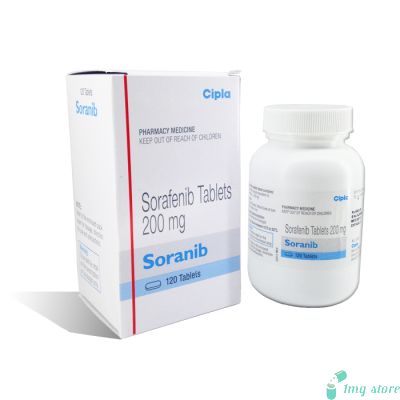
Sorafenat Tablet is a targeted cancer medicine belonging to the tyrosine kinase inhibitor group. It works by blocking specific proteins involved in cell growth and the development of new blood vessels. It is used in the management of certain types of liver cancer, kidney cancer, and thyroid cancer.


Product Overview
How Does Sorafenat Tablet Work?
Sorafenat Tablet works through a dual mechanism of action. It targets signalling proteins inside cells and certain receptors located on cell surfaces.
Its activity involves two important processes:
Inhibition of Tumour Cell Growth
Sorafenib blocks RAF-related signalling pathways that contribute to cell multiplication. This action helps slow down the growth and development of affected cells.
Reduction of New Blood Vessel Formation
Tumours may develop new blood vessels to receive oxygen and nutrients. Sorafenib blocks certain VEGF and PDGF receptors involved in this process, helping reduce the formation of blood vessels that support tumour growth.
Role of Sorafenib in Targeted Therapy
Targeted therapy focuses on specific molecular pathways involved in disease development. Sorafenib is classified as a multikinase inhibitor because it acts on several different kinase proteins rather than targeting only one enzyme.
This approach helps interfere with multiple biological signals associated with tumour growth and blood vessel development. Sorafenib is an important component of targeted treatment approaches for selected cancers.
Absorption and Processing in the Body
After oral administration, sorafenib is absorbed through the digestive system and enters the bloodstream. It binds extensively to plasma proteins and is processed mainly by the liver.
The medicine undergoes metabolism through different pathways, including CYP3A4-mediated oxidation and glucuronidation. Its breakdown products are eliminated mainly through the faeces, with a smaller amount leaving the body through urine.
Sorafenib has an estimated elimination half-life of approximately 25–48 hours. Its absorption and processing can vary depending on food intake and individual factors.
Available Strength and Dosage Form
Sorafenat Tablet is commonly available in a 200 mg strength. Each tablet contains sorafenib equivalent to 200 mg, provided in the form of sorafenib tosylate.
The tablet is intended for oral administration. The exact dosage schedule and duration depend on the diagnosed condition and individual treatment requirements.
Importance of Treatment Monitoring
Sorafenib treatment involves regular medical monitoring to assess the body's response and overall treatment progress. Healthcare professionals may evaluate blood pressure, liver function, thyroid activity, and other relevant health parameters during treatment.
The treatment schedule may be adjusted according to individual response and medical assessment. Consistency and regular follow-up are important parts of the overall treatment process.
Precaution
Liver Function
Sorafenib is processed mainly by the liver. Regular liver function tests may be required, especially for people with existing liver-related concerns.
Blood Pressure Monitoring
Sorafenib may increase blood pressure. Regular monitoring helps identify changes during treatment.
Heart Health
People with a history of heart conditions should discuss their health history before starting Sorafenat Tablet.
Kidney Health
Inform a healthcare professional about existing kidney problems, as kidney function may require monitoring.
Pregnancy and Breastfeeding
Sorafenib may harm an unborn baby. Discuss pregnancy plans and breastfeeding before starting treatment.
Skin Care
Sorafenib may cause skin reactions, particularly on the palms and soles. Report painful redness, swelling, or peeling.
Bleeding Concerns
Inform a healthcare professional about unusual bleeding, previous bleeding problems, or medicines that affect blood clotting.
Wound Healing and Surgery
Sorafenib may affect wound healing. Inform the healthcare team before any planned surgery or dental procedure.
Thyroid Function
People receiving treatment for thyroid cancer may require regular thyroid function assessments during treatment.
Follow the Recommended Schedule
Take Sorafenat Tablet according to the advised schedule. Do not change the dosage or stop treatment without medical guidance.
Usage
Follow the Recommended Dosage
Take Sorafenat Tablet according to the dosage and schedule advised by a healthcare professional. The amount may vary depending on the condition and individual treatment requirements.
Take on an Empty Stomach
Sorafenib is generally taken without food, at least one hour before or two hours after a meal. Follow the recommended timing consistently.
Swallow With Water
Swallow the tablet whole with a glass of water. Do not crush, chew, or break it unless specifically instructed.
Maintain a Consistent Schedule
Take the tablet at the recommended times each day to maintain a regular treatment routine.
Missed Dose
If you miss a dose, follow the instructions provided by your healthcare professional. Do not take an extra dose to compensate for the missed tablet.
Uses
Hepatocellular Carcinoma (Liver Cancer)
Sorafenat is used to manage hepatocellular carcinoma, the most common type of primary liver cancer. It helps interfere with tumour growth signals and blood vessel formation.
Renal Cell Carcinoma (Kidney Cancer)
Sorafenib is used in certain cases of advanced renal cell carcinoma. It targets proteins involved in tumour development and the growth of supporting blood vessels.
Differentiated Thyroid Cancer
Sorafenat may be used for locally advanced or metastatic differentiated thyroid cancer that does not respond to radioactive iodine treatment.
Targeted Cancer Therapy
Sorafenib blocks multiple kinase proteins, including RAF, VEGFR, and PDGFR, which play important roles in cellular growth and blood vessel development.
Important: Sorafenat Tablet is used for specific cancer conditions. Its suitability depends on the diagnosis, disease stage, previous treatment, and individual medical assessment.
Side Effects
Diarrhoea
Frequent or loose bowel movements may occur during treatment. Maintaining adequate fluid intake is important.
Fatigue and Weakness
Some people may experience tiredness, reduced energy, or general weakness while taking Sorafenat Tablet.
Skin Rash
Redness, itching, or skin irritation may develop during treatment.
Hand-Foot Skin Reaction
Sorafenib may cause redness, swelling, tenderness, or peeling of the skin on the palms and soles.
Nausea and Vomiting
Some individuals may experience nausea or vomiting, which can affect their daily routine.
Loss of Appetite
A reduced desire to eat may occur during treatment and may sometimes contribute to weight changes.
High Blood Pressure
Sorafenib may increase blood pressure, making regular monitoring important.
Abdominal Pain
Stomach discomfort or abdominal pain may occur in some individuals.
FAQs
What is Sorafenat Tablet used for?
Sorafenat Tablet is used in the management of certain liver, kidney, and thyroid cancers.
What is the active ingredient in Sorafenat Tablet?
It contains sorafenib tosylate, equivalent to 200 mg of sorafenib in the 200 mg tablet.
How does Sorafenat Tablet work?
It blocks specific proteins involved in tumour cell growth and the formation of new blood vessels.
Is Sorafenat Tablet a targeted therapy?
Yes, it belongs to the tyrosine kinase inhibitor group and targets multiple cellular signalling proteins.
How should Sorafenat Tablet be taken?
Follow the recommended dosage and administration instructions provided by a healthcare professional.
Can Sorafenat Tablet be taken with food?
Sorafenib is generally taken without food, either one hour before or two hours after a meal.
Does Sorafenat Tablet require regular monitoring?
Yes, blood pressure, liver function, and other relevant health parameters may require regular monitoring.
Interactions
Antibiotics
Certain antibiotics, such as rifampicin, may affect the breakdown of sorafenib and change its concentration in the bloodstream.
Antifungal Medicines
Medicines such as ketoconazole may influence liver enzymes involved in drug metabolism. Their combined use may require professional review.
Blood Thinners
Warfarin and other anticoagulant medicines may increase the risk of bleeding when used with sorafenib. Additional monitoring may be necessary.
Anti-Seizure Medicines
Medicines such as phenytoin, carbamazepine, and phenobarbital may affect sorafenib metabolism and reduce its concentration in the body.
Herbal Supplements
St. John's wort may influence the enzymes responsible for processing sorafenib and potentially reduce its effectiveness.
Other Cancer Medicines
Combining sorafenib with certain cancer treatments may increase the possibility of unwanted reactions or change treatment outcomes. The complete treatment combination should be reviewed.
Medicines Affecting Heart Rhythm
Certain medicines that influence heart rhythm may require additional attention when used alongside sorafenib.
Important Information
Always inform a healthcare professional about prescription medicines, over-the-counter products, vitamins, and herbal supplements before starting Sorafenat Tablet. Do not add, stop, or change any medicine without professional guidance.
| Manufacturer | : | Natco Pharma, India |
| Equivalent Brand | : | Nexavar |
| Generic Search | : | Sorafenib |
Latest Products