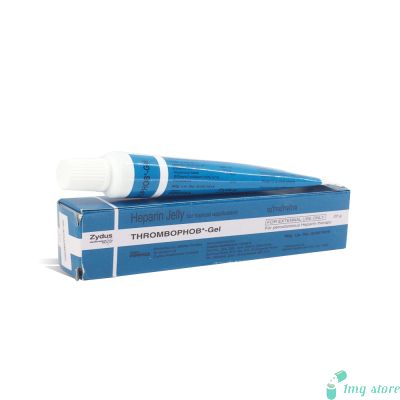
Thromzee Ointment (Benzyl Nicotinate + Heparin) | For Bruises, Superficial Thrombophlebitis, Swelling & Blood Clot Relief
Thrombophob Ointment is a topical medicine used to help relieve swelling, bruising, and discomfort linked with minor injuries and local vein-related concerns. It supports local circulation and helps the affected area recover naturally.


Product Overview
What Is Thrombophob Ointment?
Thrombophob Ointment is a topical medicine containing heparin 50 IU and benzyl nicotinate 2 mg per gram. It is used for certain superficial vein-related conditions, bruising, and swelling associated with minor injuries.
Heparin
Heparin is an anticoagulant that works locally to support the management of superficial blood clots and related vein conditions. It also helps support the natural resolution of localized swelling and bruising.
Benzyl Nicotinate
Benzyl nicotinate helps increase local blood flow by widening small blood vessels near the application area. This action can support relief from local discomfort and swelling.
Uses of Thrombophob Ointment
Thrombophob Ointment may be used for superficial thrombophlebitis, superficial bruises, hematoma, and certain swelling or discomfort following minor injuries.
How Does Thrombophob Ointment Work?
The combination of heparin and benzyl nicotinate works locally. Heparin supports the management of superficial clot-related changes, while benzyl nicotinate improves local blood flow. Together, these actions can help reduce localized swelling and discomfort.
External Application
Thrombophob Ointment is intended for external use on the skin. The affected area should be clean and dry before application, and the ointment should be used according to the recommended directions.
Key Information
| Feature | Details |
| Product Name | Thrombophob Ointment |
| Active Ingredients | Heparin 50 IU + Benzyl Nicotinate 2 mg per gram |
| Product Type | Topical ointment |
| Main Uses | Superficial thrombophlebitis, bruises, hematoma, and related swelling |
| Heparin Role | Supports management of superficial clot-related changes |
| Storage | Store below 25°C |
Precautions
For External Use Only
Thrombophob Ointment is intended for application on the skin. Avoid swallowing or using it inside the mouth, eyes, or other sensitive areas.
Apply on Clean Skin
Clean and dry the affected area before applying the ointment. Apply gently without excessive rubbing.
Avoid Open Skin
Do not apply Thrombophob Ointment over open wounds, broken skin, or areas with significant irritation unless advised by a healthcare professional.
Avoid Eyes and Mucous Membranes
Keep the ointment away from the eyes, nose, mouth, and other mucous membranes. Wash the area with water if accidental contact occurs.
Check for Skin Sensitivity
If you have a known sensitivity to heparin, benzyl nicotinate, or any ingredient in the ointment, discuss its use with a healthcare professional.
Use on Large Areas
Avoid applying the ointment over large areas of skin unless specifically recommended. Follow the suggested amount and frequency.
Other Topical Products
Tell a healthcare professional about other creams, ointments, or gels being applied to the same area to avoid unnecessary product overlap.
Pregnancy and Breastfeeding
Discuss the use of Thrombophob Ointment with a healthcare professional during pregnancy or breastfeeding.
Usage
How to Apply Thrombophob Ointment
Apply a thin layer of Thrombophob Ointment to the affected skin area and gently spread it as directed by a healthcare professional or according to the product instructions.
Clean the Affected Area
Make sure the skin is clean and dry before application. This helps the ointment spread evenly over the required area.
Use Regularly
Apply the ointment at the recommended frequency. Using it consistently can support the intended local effect.
Avoid Excessive Rubbing
Spread the ointment gently over the skin. Avoid vigorous rubbing, particularly when the area is tender or swollen.
Avoid Sensitive Areas
Keep the ointment away from the eyes, mouth, mucous membranes, and open or broken skin unless specifically advised.
Wash Hands After Application
Wash your hands after applying the ointment unless the hands are the area being treated.
Uses
Bruising
Thrombophob Ointment may be used to support the natural recovery of certain bruises caused by minor injuries or local impact.
Localized Swelling
It can help manage localized swelling associated with minor injuries and superficial vein-related concerns.
Hematoma
Thrombophob Ointment may support the gradual resolution of certain localized collections of blood under the skin.
Superficial Vein-Related Conditions
It may be used as part of the management of certain superficial vein conditions, including superficial thrombophlebitis.
Discomfort After Minor Injuries
The ointment may help support relief from local discomfort and swelling following minor soft-tissue injuries.
Local Circulation Support
Benzyl nicotinate in the formulation helps increase local blood flow, while heparin supports the management of local clot-related changes.
Side Effects
Thrombophob Ointment is applied to the skin and is generally well tolerated when used as directed. Some people may notice mild local effects after application.
Skin Irritation
Mild redness, itching, burning, or irritation may occur at the application site, especially in people with sensitive skin.
Warmth or Tingling
Benzyl nicotinate may cause a temporary feeling of warmth, tingling, or mild flushing where the ointment is applied.
Skin Dryness
Some people may notice mild dryness or discomfort on the treated area.
Mild Rash
A mild skin rash can occasionally develop due to sensitivity to one of the ingredients.
Application-Site Discomfort
Temporary discomfort or increased sensitivity may occur shortly after applying the ointment.
Allergic Skin Reaction
In uncommon cases, a stronger skin reaction may occur. Stop using the product and seek medical advice if significant swelling, widespread rash, or persistent irritation develops.
When to Seek Medical Advice
If skin changes continue, become more noticeable, or do not improve after stopping the ointment, contact a healthcare professional for appropriate advice.
FAQs
What is Thrombophob Ointment used for?
It is used to help manage bruising, swelling, and certain superficial vein-related conditions.
What does Thrombophob Ointment contain?
It contains heparin and benzyl nicotinate as active ingredients.
How does Thrombophob Ointment work?
Heparin supports the management of local clot-related changes, while benzyl nicotinate helps improve local blood flow.
Can Thrombophob Ointment be used for bruises?
Yes, it may be used to support recovery from certain bruises and localized swelling.
Is Thrombophob Ointment for external use?
Yes. It is intended for application on the skin and should not be swallowed or applied to the eyes.
Can it be applied to open wounds?
It should generally not be applied to open or broken skin unless advised by a healthcare professional.
Can other creams be used with Thrombophob Ointment?
Tell a healthcare professional about other topical products being used on the same area to avoid unnecessary product overlap.
Can Thrombophob Ointment be used during pregnancy?
Discuss its use with a healthcare professional during pregnancy to determine whether it is appropriate.
Interactions
Thrombophob Ointment is applied to the skin, but it is still important to inform a healthcare professional about other medicines and topical products being used.
Blood-Thinning Medicines
Thrombophob contains heparin. If you are taking medicines that affect blood clotting, discuss their use with a healthcare professional, particularly when the ointment is being used regularly or over a larger area.
Other Heparin Products
Using another heparin-containing cream, gel, or ointment on the same area may result in unnecessary duplication. Check the ingredients of other topical products before use.
Other Topical Medicines
Applying multiple creams, gels, or ointments to the same skin area may affect how the products work or increase local irritation. Use them according to appropriate directions.
Pain Relief Gels
Topical products used for muscle or joint discomfort may contain ingredients that can irritate the skin when combined with another topical preparation. Allow appropriate spacing when advised.
Herbal and Natural Products
Inform a healthcare professional about herbal creams, oils, or other natural products applied to the same area, as their combined effects on the skin may vary.
Oral Medicines
Most medicines taken by mouth do not directly interact with a topical product, but it is still useful to share your complete medicine list, especially medicines that affect blood clotting.
| Manufacturer | : | Zydus Healthcare Limited |
| Equivalent Brand | : | |
| Generic Search | : | Benzyl Nicotinate + Heparin |
Latest Products