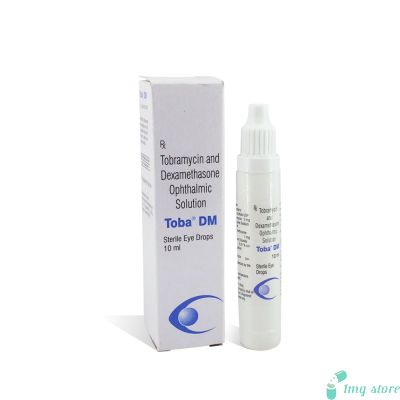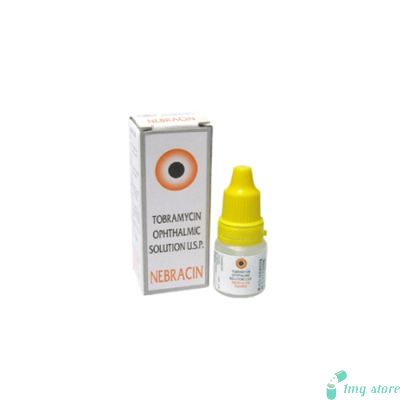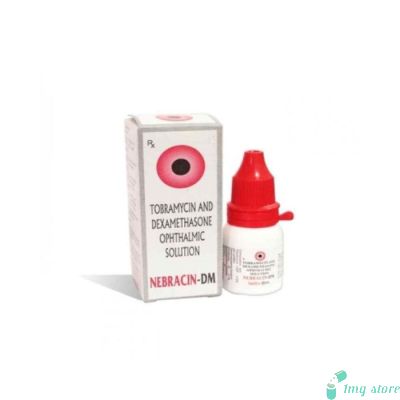
Toba Eye Drop (Tobramycin): Antibiotic Eye Care | For Bacterial Eye Infections, Conjunctivitis and Corneal Infections
Toba Eye Drop contains tobramycin, an antibiotic used to treat bacterial eye infections, such as conjunctivitis and other infections affecting the outer parts of the eye. It works by stopping the growth of bacteria, helping reduce redness, irritation, and discharge caused by the infection. Use it as prescribed and complete the recommended treatment course.


Product Overview
Toba Eye Drop contains tobramycin, an antibiotic used to treat bacterial infections of the eyes. It helps control bacteria responsible for symptoms such as redness, irritation, swelling, and sticky eye discharge. By treating the infection, Toba Eye Drop supports the eye's natural healing process and helps restore everyday eye comfort.
How Does Toba Eye Drop Work?
Tobramycin works by stopping bacteria from producing proteins they need to survive and multiply. Without these essential proteins, the bacteria gradually die, allowing the infection to clear. It works against certain bacteria responsible for eye infections but does not treat viral or allergic eye conditions.
Understanding Its Role in Eye Care
Eye infections can make simple activities like reading, working, or looking at screens uncomfortable. Toba Eye Drop helps treat bacterial infections affecting the outer parts of the eye, including bacterial conjunctivitis. It targets the infection rather than simply covering up the symptoms.
Expected Results
Redness, irritation, and discharge may begin improving within a few days of treatment. However, recovery depends on the type and severity of the infection. Continue using the drops for the prescribed duration, even if your eyes start feeling better.
Pharmacokinetics: How the Body Processes It
When applied to the eye, tobramycin acts mainly on the eye's surface and surrounding tissues. Only a small amount is generally absorbed into the bloodstream, helping it work locally where treatment is needed.
Clinical Considerations
Correct application: Wash your hands before use and avoid touching the dropper tip to your eye or fingers.
Contact lenses: Avoid wearing contact lenses during an active eye infection unless your eye specialist advises otherwise.
Temporary discomfort: Mild stinging, burning, or irritation may occur after applying the drops.
Other eye medicines: If using multiple eye drops, allow at least 5 minutes between applications, or follow your doctor's instructions.
Complete treatment: Use the drops for the prescribed duration. Stopping too early may allow the infection to return.
When to seek advice: Contact your eye specialist if symptoms worsen, vision changes, significant eye pain develops, or improvement is not noticeable within a few days.
Storage Instructions
Store Toba Eye Drop according to the temperature instructions on its packaging, away from excessive heat and direct sunlight. Keep the bottle tightly closed, avoid touching the dropper tip, and follow the recommended disposal period after opening.
Conclusion
Toba Eye Drop helps manage bacterial eye infections by stopping the growth of infection-causing bacteria. With proper application and consistent use, it can help reduce uncomfortable eye symptoms and support recovery. Always follow your eye specialist's instructions for safe and appropriate treatment.
Precautions
Toba Eye Drop contains tobramycin, an antibiotic used to treat bacterial eye infections. It helps stop the growth of bacteria responsible for the infection. Although generally well tolerated, it may sometimes cause temporary irritation or discomfort. Following a few simple precautions can help ensure safe and proper use.
Before You Start
Consult your healthcare professional: Confirm that your eye infection is bacterial and that Toba Eye Drop is suitable for you.
Check for allergies: Inform your doctor if you have previously experienced an allergic reaction to tobramycin or similar antibiotics.
Mention other eye medicines: Tell your doctor about any eye drops, ointments, or treatments you are currently using.
Discuss pregnancy or breastfeeding: Seek medical advice before using this medicine if you are pregnant or breastfeeding.
Avoid contact lenses: Do not wear contact lenses during an active eye infection unless your eye specialist advises otherwise.
While Using It
Follow the prescribed dose: Use the recommended number of drops and complete the prescribed treatment.
Keep the dropper clean: Avoid touching the dropper tip to your eyes, fingers, or other surfaces.
Wash your hands: Clean your hands before and after applying the eye drops.
Allow time between eye medicines: If using multiple eye drops, wait at least 5 minutes between applications.
Be careful with blurry vision: Avoid driving or activities requiring clear vision until your eyesight returns to normal.
Do not share: Eye drops should be used by one person only to prevent contamination.
When to Seek Medical Help
Persistent irritation: Contact your doctor if redness, itching, or discomfort continues or worsens.
Allergic reactions: Seek medical attention if you experience significant swelling, severe itching, or a rash.
Worsening eye symptoms: Report increasing pain, swelling, discharge, or changes in vision promptly.
No improvement: Consult your healthcare professional if your symptoms do not improve within a few days.
Note:
Toba Eye Drop should be used only as prescribed. Avoid touching the dropper tip, maintain proper eye hygiene, and do not stop or extend treatment without medical advice. If irritation becomes severe or your vision changes, seek medical attention promptly.
Usage
Wash your hands first: Clean your hands before using Toba Eye Drop (Tobramycin) to avoid introducing germs into your eyes.
Apply the prescribed drops: Tilt your head back, gently pull down your lower eyelid, and place the recommended number of drops into the affected eye.
Keep the dropper clean: Avoid touching the dropper tip to your eye, fingers, or any surface to prevent contamination.
Allow the medicine to settle: Close your eye gently for about a minute and lightly press the inner corner near your nose to reduce drainage.
Complete the prescribed course: Continue using the drops for the recommended duration, even if your eye starts feeling better.
Using other eye drops? Keep a gap of at least 5 minutes between different eye drops, unless your doctor advises otherwise.
Avoid contact lenses: Do not wear contact lenses during an active eye infection unless your eye specialist advises that it is safe.
Missed a dose? Apply it when you remember, unless your next dose is nearly due. Never use extra drops to make up for a missed dose.
Uses
Toba Eye Drop contains Tobramycin, an antibiotic that helps treat bacterial eye infections by stopping the growth of susceptible bacteria.
Bacterial conjunctivitis: Helps treat bacterial infections affecting the thin membrane covering the white part of the eye and inner eyelids.
Blepharitis: May be prescribed for certain bacterial infections affecting the eyelids.
Keratitis: May be used for susceptible bacterial infections involving the cornea under an eye specialist's supervision.
Redness and discharge: Helps improve symptoms such as redness, sticky discharge, and irritation when caused by a susceptible bacterial infection.
Controls bacterial growth: Works against certain bacteria responsible for eye infections, helping the affected eye recover.
Conclusion
Toba Eye Drop (Tobramycin) helps manage bacterial eye infections by controlling the bacteria responsible for them. Using the drops correctly and completing the prescribed course supports recovery.
Side Effects
Toba Eye Drop contains tobramycin, an antibiotic used to treat bacterial eye infections. Like other eye medicines, it may cause some side effects, although not everyone experiences them. Most are mild and usually affect the eyes.
Common Side Effects
Eye irritation: You may feel mild burning or stinging after applying the drops.
Eye redness: Your eyes may appear slightly red or irritated.
Itching: You may experience an itchy or uncomfortable feeling in your eyes.
Eyelid swelling: Mild puffiness or swelling around the eyelids may occur.
Watery eyes: Your eyes may produce more tears than usual.
Serious Side Effects
Allergic reactions: Severe itching, rash, facial swelling, or difficulty breathing requires immediate medical attention.
Severe eye irritation: Increasing redness, pain, or swelling should be checked by a doctor.
Vision changes: Blurred vision that does not clear or any sudden change in eyesight needs prompt medical attention.
Worsening infection: Increasing discharge, discomfort, or swelling may indicate that the infection is not improving.
New eye infections: Prolonged use may sometimes allow other germs, including fungi, to grow.
Note: Do not wear contact lenses during an active eye infection unless your doctor advises otherwise. Complete the prescribed treatment.
FAQs
1. What is Toba Eye Drop used for?
Toba Eye Drop contains tobramycin, an antibiotic used to treat bacterial eye infections, including bacterial conjunctivitis. It helps clear the infection and reduce symptoms such as redness, irritation, and discharge.
2. How does Toba Eye Drop work?
Toba Eye Drop works by stopping bacteria from making the proteins they need to survive and multiply. This helps the body clear the eye infection.
3. How should I use Toba Eye Drop?
Wash your hands, tilt your head back, and gently place the prescribed number of drops into the affected eye. Avoid touching the dropper tip to your eye or fingers.
4. Can Toba Eye Drop treat all types of eye infections?
No. Toba Eye Drop treats infections caused by susceptible bacteria. It does not work against viral or fungal eye infections.
5. What are the common side effects of Toba Eye Drop?
Some people may experience mild burning, stinging, redness, itching, or temporary eye discomfort after applying the drops.
6. How long does Toba Eye Drop take to work?
You may notice improvement within a few days, although recovery time depends on the infection. Complete the prescribed treatment even if your eyes start feeling better.
7. Can I wear contact lenses while using Toba Eye Drop?
Avoid wearing contact lenses while you have an active eye infection. Ask your eye specialist when it is safe to start wearing them again.
8. Can Toba Eye Drop be used in children?
Toba Eye Drop may be prescribed for children when appropriate. The dose and suitability depend on the child's age and medical condition, so follow the doctor's advice.
9. What should I do if I miss a dose of Toba Eye Drop?
Use the missed dose when you remember, unless it is almost time for the next one. Skip the missed dose if needed, and never use extra drops to make up for it.
10. How should I store Toba Eye Drop?
Store Toba Eye Drop according to the instructions on its packaging, away from excessive heat and direct sunlight. Keep the bottle tightly closed and avoid touching the dropper tip to prevent contamination.
Interactions
Toba Eye Drop contains Tobramycin, an antibiotic used to treat bacterial eye infections. Since it works mainly in the eyes, interactions with other medicines are uncommon. However, certain eye products and medicines may affect its use or increase irritation.
1. Other Antibiotic Medicines
Interaction: Using Toba with certain other antibiotics, especially aminoglycosides such as gentamicin, may increase the risk of side effects.
Advice: Inform your doctor if you are already using antibiotic eye drops or taking other antibiotics.
2. Other Eye Drops and Ointments
Interaction: Applying several eye medicines together may wash away the previous drops or reduce how well they stay in the eye.
Advice: Keep at least a 5-minute gap between different eye drops. Apply eye ointments last.
3. Steroid Eye Drops
Interaction: Steroid-containing eye drops may hide signs of infection or worsen certain eye infections if used incorrectly.
Advice: Use steroid eye drops alongside Toba only when prescribed by your eye specialist.
4. Medicines That Affect Hearing or Kidneys
Interaction: Tobramycin given by injection can interact with medicines such as furosemide or certain antibiotics, increasing the risk of hearing or kidney problems. This risk is much lower with eye drops because very little medicine enters the bloodstream.
Advice: Tell your doctor about your ongoing medicines, particularly if you also receive injectable antibiotics.
5. Contact Lenses and Eye Products
Interaction: Contact lenses may trap preservatives or worsen irritation while your eyes are infected.
Advice: Avoid wearing contact lenses during treatment unless your eye specialist advises otherwise.
Important: Always inform your healthcare professional about other eye treatments and medicines you use. Follow the prescribed instructions to help Toba Eye Drop work safely and effectively.
| Manufacturer | : | Sun Pharma, India |
| Equivalent Brand | : | Tobrex |
| Generic Search | : | Tobramycin |
Latest Products