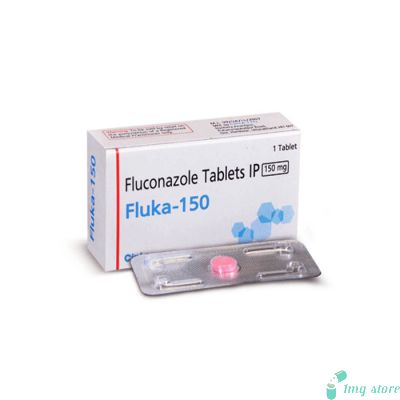
AF Tablet (Fluconazole): Antifungal Tablet | For Fungal Infections, Candidiasis Treatment
AF Tablet contains Fluconazole, an antifungal medicine used to treat a variety of fungal and yeast infections affecting different parts of the body. It works by stopping the growth of fungi, helping clear infections and relieve associated symptoms such as itching, irritation, redness, and discomfort.


Product Overview
AF Tablet contains Fluconazole, a widely prescribed antifungal medication used to treat and prevent fungal and yeast infections. Fungal infections can affect various parts of the body, including the mouth, throat, skin, nails, genital area, and internal organs. These infections occur when fungi grow excessively and disrupt the body's normal balance.
Fluconazole belongs to a class of medicines known as triazole antifungals. It works by interfering with the fungal cell membrane, preventing the fungus from growing and multiplying. As the fungal cells weaken, the infection gradually clears and symptoms begin to improve.
AF Tablet is commonly prescribed for infections such as vaginal yeast infections, oral thrush, throat infections caused by Candida species, and certain systemic fungal infections. In some patients with weakened immune systems, it may also be used to help prevent fungal infections from developing.
Product Composition and Form
AF Tablet is formulated as an oral antifungal medication designed to provide effective treatment against susceptible fungal and yeast infections.
| Feature | Specification |
| Active Ingredient | Fluconazole |
| Drug Class | Triazole Antifungal |
| Dosage Form | Oral Tablet |
| Primary Indication | Fungal & Yeast Infections |
| Mechanism of Action | Inhibits Fungal Cell Membrane Formation |
| Therapeutic Effect | Controls and Eliminates Fungal Growth |
| Route of Administration | Oral |
Fluconazole works by blocking an enzyme that fungi need to produce ergosterol, an essential component of their cell membrane. Without ergosterol, the fungal cell membrane becomes weak and unstable. As a result, fungal cells are unable to grow, multiply, or survive effectively. Over time, the infection clears, symptoms improve, and the affected area begins to heal. This targeted action helps eliminate fungal infections while minimizing effects on normal human cells.
Precautions
Before taking AF Tablet, inform your healthcare provider about your medical history, allergies, and any medicines you are currently using. Proper use helps ensure effective treatment and reduces the risk of complications.
Important Precautions
- Liver Problems: Patients with existing liver disease should use Fluconazole cautiously, as the medicine is processed by the liver.
- Kidney Disorders: Individuals with kidney impairment may require dose adjustments depending on kidney function.
- Heart Rhythm Conditions: Inform your doctor if you have a history of irregular heartbeat or heart rhythm disorders.
- Medication History: Certain medicines may interact with Fluconazole and require monitoring or dosage adjustments.
- Allergic Reactions: Avoid use if you have experienced allergic reactions to Fluconazole or similar antifungal medicines in the past.
- Complete the Course: Do not stop treatment early without medical advice, even if symptoms improve.
- Regular Monitoring: Patients receiving long-term therapy may require periodic liver and kidney function tests.
Pregnancy & Breastfeeding
Pregnant or breastfeeding women should consult their healthcare provider before using AF Tablet. The benefits and potential risks should be carefully evaluated before treatment is started.
Usages
AF Tablet is used according to the type, severity, and location of the fungal infection being treated. Treatment duration may vary from a single dose to several weeks depending on the condition.
- Taken orally with or without food as directed by a healthcare professional.
- May be prescribed as a single-dose treatment for certain vaginal yeast infections.
- Used for several days or weeks in more severe fungal infections.
- Often prescribed as part of long-term antifungal therapy for recurrent infections.
- Can be used to prevent fungal infections in patients with weakened immune systems.
- Best results are achieved when the full prescribed course is completed, even if symptoms improve early.
- Missing doses may reduce treatment effectiveness and increase the risk of infection recurrence.
- Regular medical follow-up may be recommended for prolonged treatment courses.
Uses
AF Tablet is used to treat various fungal and yeast infections affecting different parts of the body. It helps eliminate the infection, relieve symptoms, and prevent the spread of fungal organisms.
✔ Vaginal Yeast Infections: Commonly used to treat vaginal candidiasis and associated symptoms such as itching, irritation, and abnormal discharge.
✔ Oral Thrush: Helps treat fungal infections of the mouth and tongue caused by Candida species.
✔ Throat & Esophageal Fungal Infections: Used to manage fungal infections affecting the throat and food pipe.
✔ Systemic Fungal Infections: May be prescribed for certain fungal infections that affect internal organs or spread through the bloodstream.
✔ Urinary Tract Fungal Infections: Helps treat selected fungal infections involving the urinary system.
✔ Prevention of Fungal Infections: Sometimes used in individuals with weakened immune systems who are at increased risk of fungal infections.
✔ Candida Infections: Effective against many infections caused by Candida species in different areas of the body.
Side Effects
Like all medicines, AF Tablet may cause side effects in some individuals. Most side effects are mild and temporary, but some may require medical attention.
Common Side Effects
- Headache: One of the most frequently reported side effects during treatment.
- Nausea: Mild stomach discomfort or feeling sick may occur.
- Abdominal Pain: Some patients may experience stomach pain or digestive discomfort.
- Diarrhea: Loose stools or mild digestive disturbances can occur during treatment.
- Dizziness: A small number of patients may experience dizziness or lightheadedness.
- Indigestion: Mild digestive upset or bloating may occasionally develop.
Serious Side Effects (Rare)
⚠ Seek immediate medical attention if you experience:
- Severe allergic reactions
- Swelling of the face, lips, tongue, or throat
- Severe skin reactions or blistering
- Yellowing of the skin or eyes (possible liver problems)
- Dark urine or persistent nausea
- Irregular heartbeat or severe dizziness
Important Note
Most patients tolerate AF Tablet well, and side effects often resolve after treatment is completed. Contact your healthcare provider if side effects persist, worsen, or become concerning.
FAQs
Q. Can AF Tablet treat vaginal yeast infections?
Yes. It is commonly prescribed for vaginal candidiasis and related symptoms.
Q. How long does AF Tablet take to work?
Many patients begin noticing symptom improvement within a few days, although treatment duration varies by infection type.
Q. Should I complete the full course of treatment?
Yes. Completing the prescribed course helps ensure the infection is fully treated and reduces recurrence risk.
Q. Can AF Tablet be taken with food?
Yes. Fluconazole can generally be taken with or without food.
Q. Can AF Tablet affect the liver?
Rarely, Fluconazole may affect liver function, particularly during prolonged treatment.
Q. Is AF Tablet used to prevent fungal infections?
Yes. It may be prescribed to prevent fungal infections in certain high-risk patients.
Q. Can I stop taking AF Tablet once I feel better?
No. Continue taking the medicine for the full prescribed duration unless advised otherwise by your healthcare provider.
Drug Interactions
AF Tablet may interact with several medicines because Fluconazole can affect how certain drugs are processed in the body. These interactions may increase side effects or alter treatment effectiveness.
- Blood Thinners: Fluconazole may increase the effects of certain anticoagulants, raising the risk of bleeding.
- Diabetes Medicines: Some oral diabetes medications may require closer monitoring when used with Fluconazole.
- Heart Rhythm Medicines: Combining certain heart medications with Fluconazole may increase the risk of irregular heartbeat.
- Cholesterol Medicines: Certain cholesterol-lowering drugs may have increased side effect risks when taken together.
- Immunosuppressant Medicines: Fluconazole may affect blood levels of medicines used after organ transplantation.
- Anti-Seizure Medicines: Some seizure medications may alter Fluconazole effectiveness or be affected by it.
- Antibiotics & Other Antifungals: Certain antimicrobial medicines may require monitoring when combined with Fluconazole.
- Herbal Supplements & OTC Products: Some supplements may influence drug metabolism and treatment response
| Manufacturer | : | Systopic Laboratories Pvt Ltd |
| Equivalent Brand | : | Diflucan |
| Generic Search | : | Fluconazole |
Latest Products