Flucomet Eye Drop (Fluconazole)
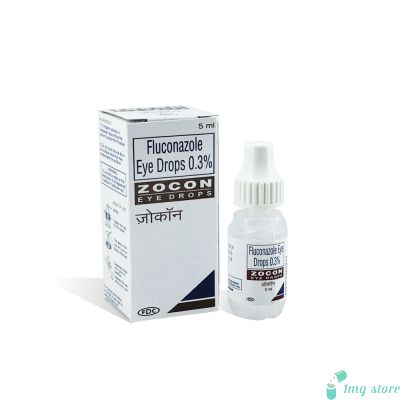
Flucomet Eye Drop contains Fluconazole, an antifungal medication used to treat fungal infections affecting the eyes. It helps eliminate fungal organisms, reduce inflammation, relieve discomfort, and support healing of infected eye tissues.


Product Overview
Flucomet Eye Drop contains Fluconazole, an antifungal medicine used in the treatment of fungal eye infections caused by susceptible fungi. Eye infections caused by fungi can affect different parts of the eye and may lead to symptoms such as redness, irritation, pain, excessive tearing, blurred vision, sensitivity to light, and eye discomfort.
Fluconazole belongs to the triazole class of antifungal medicines. It works by inhibiting the growth and multiplication of fungal organisms responsible for the infection. By targeting the fungal cell membrane, Fluconazole helps eliminate the infection and prevents it from spreading further within the eye.
Fungal eye infections can occur following eye injuries, contamination, contact lens misuse, eye surgery, or in individuals with weakened immune systems. Prompt treatment is important because untreated fungal infections may lead to serious complications that can affect vision.
Product Composition and Form
Flucomet Eye Drop is formulated as a sterile ophthalmic solution designed for direct application to the affected eye.
| Feature | Specification |
| Active Ingredient | Fluconazole |
| Drug Class | Triazole Antifungal |
| Dosage Form | Ophthalmic Solution (Eye Drop) |
| Primary Indication | Fungal Eye Infections |
| Mechanism of Action | Inhibits Fungal Cell Membrane Formation |
| Therapeutic Effect | Controls and Eliminates Fungal Growth |
| Route of Administration | Ophthalmic (Eye Use) |
Fluconazole works by blocking the production of ergosterol, an essential component of fungal cell membranes. Without ergosterol, fungal cells become weak and unable to survive or multiply effectively.
By targeting the fungal infection directly at the site of application, Flucomet Eye Drop helps reduce fungal growth, control the infection, and promote healing of the affected eye tissues. As the infection clears, symptoms such as redness, irritation, pain, and inflammation gradually improve.
Precautions
Before using Flucomet Eye Drop, inform your healthcare provider about your medical history, eye conditions, allergies, and any medications you are currently using.
Important Precautions
- For Eye Use Only: This medicine should only be used in the eyes and should never be swallowed or injected.
- Contact Lens Use: Avoid wearing contact lenses during active eye infections unless specifically advised by your doctor.
- Eye Injury or Surgery: Inform your healthcare provider if you have recently undergone eye surgery or experienced an eye injury.
- Allergic Reactions: Do not use the medicine if you have a known allergy to Fluconazole or related antifungal medicines.
- Avoid Contamination: Do not allow the dropper tip to touch the eye, fingers, or any surface to prevent contamination.
- Vision Changes: Temporary blurred vision may occur after application. Avoid driving or operating machinery until vision becomes clear.
- Regular Monitoring: Serious eye infections may require regular ophthalmic examinations during treatment.
- Complete the Course: Continue treatment for the full prescribed duration to ensure complete eradication of the infection.
Pregnancy & Breastfeeding
Pregnant or breastfeeding women should consult their healthcare provider before using Flucomet Eye Drop. Treatment should only be used when clearly needed and under medical supervision.
Usages
Flucomet Eye Drop is intended for ophthalmic use and should be applied exactly as directed by an eye care professional.
- Applied directly into the affected eye according to the prescribed dosing schedule.
- Used regularly to maintain adequate antifungal activity at the site of infection.
- Treatment duration may vary depending on the severity and response to therapy.
- The full treatment course should be completed even if symptoms begin to improve.
- Contact lenses may need to be avoided during active treatment unless approved by the treating physician.
- Good eye hygiene practices can help improve treatment outcomes and reduce reinfection risk.
- Follow-up eye examinations may be recommended to monitor healing and treatment effectiveness.
- Missed doses may reduce treatment effectiveness and prolong recovery.
Uses
Flucomet Eye Drop is used to manage fungal infections affecting different parts of the eye. It helps eliminate the infection and supports recovery while reducing associated symptoms.
✔ Fungal Eye Infections: Used to treat eye infections caused by susceptible fungal organisms.
✔ Fungal Keratitis: Helps manage fungal infections affecting the cornea, the clear front surface of the eye.
✔ Post-Traumatic Fungal Eye Infections: May be prescribed following eye injuries that increase the risk of fungal contamination.
✔ Post-Surgical Fungal Infections: Used in certain cases where fungal infections develop after eye procedures or surgeries.
✔ Redness & Eye Irritation: Helps relieve symptoms associated with fungal eye infections, including redness, irritation, and discomfort.
✔ Prevention of Infection Progression: Helps prevent fungal infections from spreading deeper into eye tissues when used as prescribed.
Side Effects
Like all medicines, Flucomet Eye Drop may cause side effects in some individuals. Most side effects are mild and temporary, especially immediately after application.
Common Side Effects
✔ Temporary Eye Irritation: Mild burning, stinging, or discomfort may occur immediately after instillation.
✔ Redness of the Eye: Some patients may notice temporary redness following application.
✔ Blurred Vision: Brief blurring of vision may occur shortly after using the eye drops.
✔ Watery Eyes: Increased tearing or eye watering may occur in some individuals.
✔ Eye Discomfort: Mild itching, irritation, or foreign body sensation may be experienced.
Serious Side Effects (Rare)
⚠ Seek immediate medical attention if you experience:
- Severe eye pain
- Significant vision changes
- Severe redness or swelling
- Signs of an allergic reaction
- Persistent worsening of symptoms
- Sudden decrease in vision
Important Note
Most side effects are mild and resolve shortly after application. However, persistent irritation, worsening symptoms, or changes in vision should be evaluated by an eye specialist promptly
FAQs
Q. Can Flucomet Eye Drop treat fungal keratitis?
Yes, it may be prescribed for fungal infections affecting the cornea under specialist supervision.
Q. How long should I use Flucomet Eye Drop?
Treatment duration depends on the type and severity of the infection and should follow your doctor's instructions.
Q. Can I stop using the drops once symptoms improve?
No. Complete the full prescribed course to help prevent recurrence of the infection.
Q. Can Flucomet Eye Drop cause blurred vision?
Yes, temporary blurred vision may occur immediately after application.
Q. Is Flucomet Eye Drop safe for long-term use?
It should only be used for the duration recommended by your eye specialist.
Q. When should I seek medical attention?
Seek immediate medical care if you experience severe eye pain, worsening redness, swelling, or vision changes
Drug Interactions
Because Flucomet Eye Drop is applied directly to the eye, systemic drug interactions are generally less common than with oral Fluconazole. However, certain interactions and precautions should still be considered.
- Other Eye Drops: If using multiple ophthalmic medications, they should generally be administered several minutes apart to avoid dilution of either medication.
- Eye Ointments: Eye drops are typically applied before ophthalmic ointments to ensure proper absorption.
- Steroid Eye Drops: Concurrent use with corticosteroid eye medications may require close monitoring, as steroids can sometimes affect infection control.
- Antibiotic Eye Medications: May be used together when mixed infections are present, but only under medical supervision.
- Systemic Antifungal Medicines: Patients using oral or injectable antifungal medications should inform their healthcare provider.
- Eye Lubricants: Artificial tears and lubricating drops may generally be used if recommended by an eye specialist.
- Herbal Eye Products: Avoid using unapproved herbal eye products alongside treatment without professional advice.
| Manufacturer | : | Sun Pharma, India |
| Equivalent Brand | : | Diflucan Eye drop |
| Generic Search | : | Fluconazole |
Latest Products