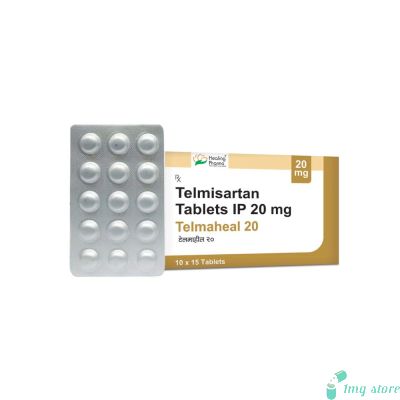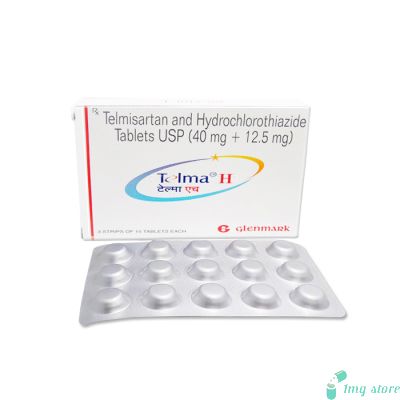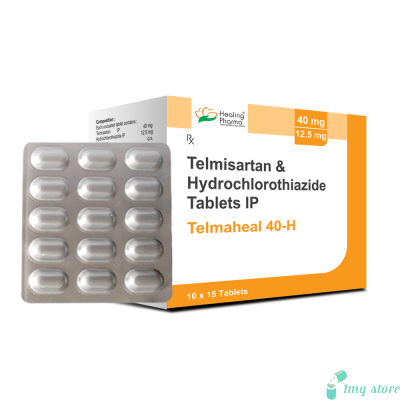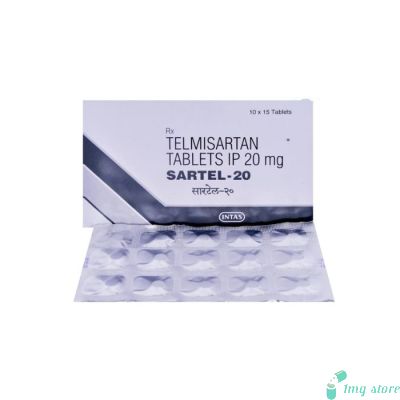
Cresar Tablet (Telmisartan): Antihypertensive Tablet | For High Blood Pressure Management, Cardiovascular Risk Reduction
Cresar Tablet contains telmisartan, an antihypertensive medicine used to manage high blood pressure. It works by relaxing and widening blood vessels, allowing blood to flow more easily and reducing pressure on the heart. Regular use helps maintain healthy blood pressure levels and lowers the risk of complications such as stroke and heart problems. Take it as prescribed by your healthcare professional, even if you feel well, as high blood pressure often has no noticeable symptoms.


Product Overview
Cresar Tablet contains telmisartan, a medicine used to manage high blood pressure (hypertension). It belongs to a group called angiotensin II receptor blockers (ARBs), which help relax blood vessels and improve blood flow. By controlling blood pressure, Cresar helps reduce the long-term risk of heart attack, stroke, and kidney complications.
How Does Cresar Tablet Work? (Pharmacodynamics)
Ever wondered what makes blood pressure rise? A natural hormone called angiotensin II causes blood vessels to tighten, increasing pressure inside them.
Telmisartan blocks the action of this hormone, allowing blood vessels to relax and widen. This helps blood flow more easily and reduces the workload on the heart.
Understanding Its Role in the Body
High blood pressure often has no noticeable symptoms, but it can gradually affect the heart, brain, and kidneys.
Cresar helps maintain healthier blood pressure levels, even when you feel fine. It controls hypertension rather than curing it, making regular treatment and monitoring important.
Expected Results
Cresar may begin lowering blood pressure within a few hours. However, its full blood pressure-lowering effect usually develops within 4–8 weeks of consistent treatment.
You may not notice an immediate difference in how you feel. Regular blood pressure readings are the best way to check whether the medicine is working.
Pharmacokinetics: How the Body Processes It
After swallowing Cresar Tablet, telmisartan is absorbed into the bloodstream.
- Absorption: It generally reaches its highest blood concentration within 30–60 minutes.
- Processing: The body processes it mainly through a process called glucuronidation.
- Elimination: Most of the medicine leaves through bile and faeces, with very little eliminated through urine.
- Duration: Its long-lasting effects support once-daily dosing.
Clinical Considerations
- Blood pressure monitoring: Check your blood pressure regularly to track your response.
- Kidney health: Kidney function and potassium levels may need monitoring.
- Dizziness: Standing up suddenly may cause lightheadedness, especially when starting treatment.
- Medicine interactions: Tell your doctor about potassium supplements, other blood pressure medicines, and painkillers such as ibuprofen.
- Pregnancy: Telmisartan can seriously harm an unborn baby. Contact your doctor immediately if pregnancy occurs.
- Consistent treatment: Take Cresar at the prescribed time each day, with or without food. Do not stop it without medical advice.
Storage Instructions
Store Cresar Tablets in their original packaging, away from excessive heat, moisture, and direct sunlight. Follow the storage temperature stated on the product label and keep them out of children's reach.
Conclusion
Cresar Tablet (Telmisartan) helps manage high blood pressure by relaxing blood vessels and reducing strain on the heart. Regular treatment, blood pressure monitoring, and healthy lifestyle habits support long-term cardiovascular health.
Precautions
Cresar Tablet (Telmisartan) requires careful use because it can sometimes cause low blood pressure, changes in kidney function, and increased potassium levels. Certain health conditions and medicines may increase these risks. Knowing what to check before treatment and which warning signs to watch for can help you manage your blood pressure safely.
Before You Start
Check for allergies: Avoid Cresar if you have previously experienced an allergic reaction to telmisartan or any other ingredient.
Discuss kidney problems: Inform your doctor if you have kidney disease, narrowing of the kidney arteries, or a history of kidney-related complications.
Mention liver conditions: Tell your doctor if you have liver disease or bile duct problems, as telmisartan may not be suitable.
Check your potassium levels: Inform your doctor if you have high potassium levels or take potassium supplements or potassium-containing salt substitutes.
Share your medication list: Mention all medicines you take, especially diuretics, other blood pressure medicines, and pain relievers such as ibuprofen.
Pregnancy or breastfeeding: Do not use telmisartan during pregnancy because it can seriously harm the developing baby. Inform your doctor immediately if you become pregnant. Discuss breastfeeding before treatment.
While Using It
Follow the prescribed dose: Take Cresar exactly as directed, preferably at the same time each day. Do not change the dose yourself.
Monitor your blood pressure: Check your readings regularly, as blood pressure may sometimes fall too low.
Rise slowly: Getting up suddenly from sitting or lying down may cause dizziness, especially when starting treatment.
Stay properly hydrated: Vomiting, diarrhoea, or excessive sweating may increase the risk of low blood pressure and kidney problems. Contact your doctor if these occur.
Avoid excess potassium: Do not use potassium supplements or potassium-based salt substitutes unless your doctor recommends them.
Attend regular checkups: Your doctor may monitor blood pressure, kidney function, and potassium levels during treatment.
When to Seek Medical Help
Severely low blood pressure: Seek medical attention if you experience fainting, extreme dizziness, or unusual weakness.
Kidney warning signs: Report significantly reduced urination, unusual swelling, or sudden changes in kidney function.
High potassium symptoms: Seek prompt medical assessment for muscle weakness, unusual heartbeats, or persistent tingling.
Severe allergic reactions: Swelling of the face, lips, tongue, or throat, especially with breathing difficulties, requires emergency medical care.
Note:
Cresar Tablet should be taken only as prescribed. Do not stop taking it simply because your blood pressure readings have improved, as high blood pressure often causes no noticeable symptoms. Regular monitoring and medical follow-ups help ensure that treatment remains safe and effective.
Usage
Take it at a regular time: Cresar Tablet (Telmisartan) is usually taken once daily, preferably at the same time each day, to maintain steady blood pressure control.
Follow the recommended dosage: The usual adult starting dose for high blood pressure is 40 mg once daily, although some patients may start with 20 mg. Your doctor may adjust the dose up to 80 mg daily based on your response.
With or without food: Cresar can be taken with or without meals. Swallow the tablet with water.
Missed a dose? Take it when you remember, unless your next dose is nearly due. Skip the missed dose if needed, but never double the dose.
Keep checking your blood pressure: Monitor your readings regularly, even if you feel well. High blood pressure often has no noticeable symptoms.
Be careful with potassium: Avoid potassium supplements and potassium-containing salt substitutes unless your doctor recommends them, as telmisartan may increase potassium levels.
Watch for dizziness: You may feel lightheaded, especially when starting treatment or increasing the dose. Stand up slowly and inform your doctor if dizziness continues.
Attend regular checkups: Your doctor may monitor kidney function, potassium levels, and blood pressure to ensure the treatment remains suitable.
Uses
Cresar Tablet contains Telmisartan, an angiotensin II receptor blocker (ARB) that helps relax blood vessels, allowing blood to flow more easily and reducing pressure on the heart.
High blood pressure (Hypertension): Helps lower elevated blood pressure and maintain healthier readings with regular use.
Reduces cardiovascular risk: Telmisartan may be prescribed to reduce the risk of heart attack, stroke, or cardiovascular death in certain high-risk adults.
Supports heart health: By lowering blood pressure, it helps reduce the workload on the heart.
Helps protect blood vessels: Maintaining controlled blood pressure reduces the long-term strain on blood vessels and vital organs.
Long-term blood pressure management: Provides sustained blood pressure control when taken consistently as prescribed.
Note: Cresar Tablet should not be used during pregnancy because telmisartan can seriously harm the developing baby. Inform your doctor if you have kidney or liver problems, dehydration, or take other blood pressure medicines. Do not stop treatment without medical advice, even when your blood pressure readings improve.
Side Effects
Cresar Tablet contains telmisartan, a medicine used to manage high blood pressure. It may cause some side effects as the body adjusts to treatment, although not everyone experiences them. Most are mild, but certain symptoms may require medical attention.
Common Side Effects
Dizziness: You may feel lightheaded, especially when standing up quickly.
Low blood pressure: You may experience mild weakness or tiredness if your blood pressure drops.
Back pain: Some people may notice discomfort in the back or muscles.
Diarrhoea: Loose stools or mild stomach discomfort may occur.
Sinus discomfort: A blocked nose or sinus-related symptoms may develop.
Fatigue: You may feel unusually tired or have less energy than usual.
Serious Side Effects
Severe low blood pressure: Extreme dizziness, fainting, or unusual weakness requires medical attention.
High potassium levels: Muscle weakness, tingling, or an irregular heartbeat may indicate increased potassium in the blood.
Kidney problems: Reduced urination, swelling, or unusual tiredness may suggest changes in kidney function.
Severe allergic reactions: Swelling of the face, lips, tongue, or throat, especially with breathing difficulties, requires emergency care.
Severe intestinal swelling: Persistent abdominal pain, nausea, or vomiting may rarely indicate intestinal angioedema.
Note: Take Cresar Tablet only as prescribed. Avoid potassium supplements or potassium-containing salt substitutes unless approved by your doctor. Regular blood pressure checks and occasional kidney function and potassium tests may be needed. Seek medical advice if side effects persist or worsen, and get immediate help for serious symptoms. Do not stop the medicine without consulting your healthcare professional.
FAQs
1. What is Cresar Tablet used for?
Cresar Tablet contains telmisartan, a medicine mainly used to control high blood pressure. It may also help reduce the risk of certain heart-related problems in suitable patients.
2. How does Cresar Tablet work?
Cresar relaxes blood vessels by blocking the action of a hormone called angiotensin II. This allows blood to flow more easily and helps lower blood pressure.
3. How should I take Cresar Tablet?
Take Cresar exactly as prescribed by your doctor, usually once daily. You can take it with or without food, preferably at the same time each day.
4. How long does Cresar Tablet take to work?
Cresar starts lowering blood pressure within a few hours, but its full blood pressure-lowering effect usually develops over 4–8 weeks of regular use.
5. What are the common side effects of Cresar Tablet?
Some people may experience dizziness, low blood pressure, or changes in kidney function. Not everyone experiences side effects.
6. Can I stop taking Cresar Tablet when my blood pressure becomes normal?
No. Normal blood pressure often means the medicine is working. Stopping Cresar without medical advice may cause your blood pressure to rise again.
7. Is Cresar Tablet safe for people with kidney problems?
Cresar may be prescribed to some people with kidney conditions, but kidney function and potassium levels need monitoring. Your doctor will decide whether it is suitable.
8. Can Cresar Tablet be taken with other blood pressure medicines?
Yes, Cresar is sometimes prescribed with other blood pressure medicines. However, certain combinations may increase the risk of low blood pressure, kidney problems, or high potassium levels.
9. What should I do if I miss a dose of Cresar Tablet?
Take the missed dose when you remember, unless it is almost time for your next dose. Skip the missed dose if needed, and never double the dose.
10. Who should avoid taking Cresar Tablet?
Cresar should not be used during pregnancy or by people allergic to telmisartan. People with certain liver or kidney conditions should consult their doctor before taking it.
Interactions
Cresar Tablet (Telmisartan) may interact with certain medicines, sometimes causing blood pressure to drop too low, increasing potassium levels, or affecting kidney function. Knowing which combinations need extra care can help you avoid unwanted effects.
1. Other Blood Pressure Medicines
Taking Cresar with other blood pressure medicines may cause excessive lowering of blood pressure, leading to dizziness or weakness.
Your doctor may adjust the doses or monitor your blood pressure.
2. Potassium Supplements and Salt Substitutes
Potassium supplements, potassium-containing salt substitutes, and medicines like spironolactone may raise potassium levels too much when combined with Cresar.
Avoid using them without medical advice.
3. Painkillers (NSAIDs)
Medicines such as ibuprofen, diclofenac, and naproxen may reduce Cresar's blood pressure-lowering effect and increase the risk of kidney problems.
Ask your healthcare professional before using these painkillers regularly.
4. Lithium
Cresar may increase lithium levels in the blood, raising the risk of side effects.
Your doctor may recommend regular blood tests if both medicines are needed.
5. Certain Heart and Kidney Medicines
Combining Cresar with medicines such as enalapril, ramipril, or aliskiren may increase the risk of low blood pressure, high potassium, and kidney problems.
These combinations are generally avoided or require specialist supervision.
6. Diuretics (Water Tablets)
Water tablets such as furosemide or hydrochlorothiazide may increase the blood pressure-lowering effect of Cresar.
Your doctor may monitor your blood pressure, kidney function, and potassium levels.
Tips to Avoid Interactions
Share your medicine list: Tell your doctor about all medicines, supplements, and herbal products you take.
Check before taking painkillers: Even common pain medicines may affect your blood pressure or kidneys.
Monitor regularly: Blood pressure checks and occasional blood tests may help identify problems early.
Note: Not every combination is harmful, but some require extra care. Do not start, stop, or change any medicine without consulting your healthcare professional, especially if you have kidney problems or take several blood pressure medicines.
| Manufacturer | : | Cipla Pharma, India |
| Equivalent Brand | : | Micardis |
| Generic Search | : | Telmisartan |
Latest Products