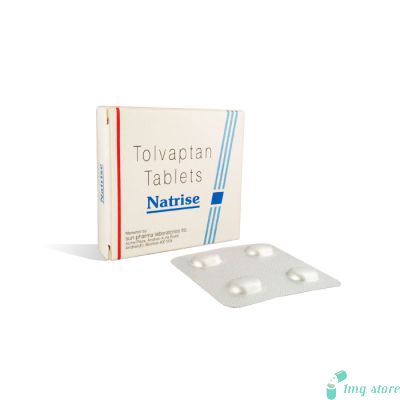
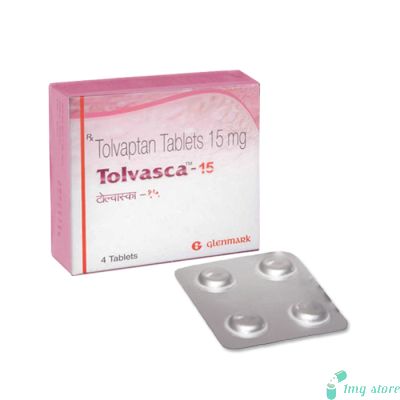
Hyponat-O Tablet (Tolvaptan) | Used to Manage Low Sodium Levels in the Blood
Hyponat-O Tablet helps the kidneys remove excess water from the body and is used to manage low sodium levels in the blood (hyponatraemia), including certain cases linked to SIADH. By regulating water balance, it helps support a healthier sodium concentration in the body.


Product Overview
Understanding Hyponat-O Tablet
Sodium is an essential electrolyte that helps maintain fluid balance and supports normal nerve and muscle function. When the sodium concentration in the blood becomes too low, a condition called hyponatraemia develops. In some people, this happens because the body retains more water than it needs, which dilutes the sodium in the bloodstream.
Hyponat-O Tablet helps address this imbalance by increasing the removal of excess water through urine. This can help raise the sodium concentration in the blood in suitable cases.
How Does Tolvaptan Work?
Tolvaptan selectively blocks vasopressin V2 receptors in the kidneys. These receptors normally respond to antidiuretic hormone (ADH), which signals the kidneys to retain water.
When tolvaptan blocks these receptors:
- The kidneys reabsorb less water.
- More excess water leaves the body through urine.
- Water retention decreases.
- The concentration of sodium in the blood may increase.
This process is called aquaresis, which means the removal of water without a similar amount of electrolyte loss.
Role in Sodium and Fluid Balance
Hyponat-O Tablet helps manage certain cases of low blood sodium associated with excess water retention. It may be considered in conditions such as syndrome of inappropriate antidiuretic hormone secretion (SIADH), where the body releases or responds to too much antidiuretic hormone.
By helping remove excess water, tolvaptan supports the body's fluid balance and helps correct diluted sodium levels. The response varies depending on the underlying condition and individual health factors.
Why Is Sodium Balance Important?
Sodium helps regulate the movement of water between body cells and surrounding fluids. It also plays an important role in nerve signals and muscle activity. When sodium levels fall below the normal range, the body's fluid balance can be affected.
Key Information About Hyponat-O Tablet
| Product Detail | Information |
| Brand Name | Hyponat-O Tablet |
| Strength | 15 mg |
| Medicine Category | Vasopressin V2 receptor antagonist |
| Main Action | Promotes excess water removal |
| Route of Administration | Oral |
| Commonly Associated Condition | Hyponatraemia |
| Mechanism | Selective V2 receptor blockade |
Precaution
Monitor Sodium Levels
Regular blood tests are important to check sodium levels and ensure they do not increase too quickly.
Maintain Proper Hydration
Increased urination may cause fluid loss. Follow the healthcare professional's guidance about fluid intake.
Watch for Dehydration
Excessive thirst, dry mouth, dizziness, and unusual weakness may indicate dehydration and should be reported.
Inform About Liver Conditions
People with existing liver problems should discuss them before starting treatment. Liver function monitoring may be required.
Discuss Kidney Problems
Share any history of kidney conditions or difficulty passing urine before using this medicine.
Review Other Medicines
Inform the healthcare professional about all medicines and supplements being taken to check for possible interactions.
Avoid Grapefruit Products
Grapefruit and grapefruit juice may affect how tolvaptan is processed in the body.
Follow the Recommended Schedule
Take Hyponat-O Tablet only according to the advised treatment schedule. Do not change the dose or stop treatment without medical guidance.
Important: Tolvaptan treatment requires close monitoring of blood sodium and hydration, especially when treatment begins or restarts.
Usage
How to Take Hyponat-O Tablet
Swallow the tablet with water as directed by the healthcare professional. It may generally be taken with or without food. Follow the advised timing and do not change the dose on your own.
Follow the Recommended Dose
The dose and treatment duration depend on sodium levels, the underlying condition, and individual response. Do not take extra tablets to make up for a missed dose.
Maintain Fluid Balance
Tolvaptan can increase urination and thirst. Follow the recommended fluid-intake guidance rather than restricting or increasing water intake on your own.
Regular Monitoring During Treatment
Blood sodium levels and hydration need careful monitoring, especially when treatment begins or restarts. Follow any recommended blood tests and check-ups.
Important: Tolvaptan treatment for low sodium levels generally requires close medical supervision, particularly at the start of treatment, because sodium levels can rise too quickly.
Uses
Management of Hyponatraemia
Hyponat-O Tablet is used in selected cases of hyponatraemia, a condition in which the sodium concentration in the blood becomes lower than normal.
SIADH-Related Low Sodium
It may help manage low sodium levels associated with the syndrome of inappropriate antidiuretic hormone secretion (SIADH), where the body retains excess water.
Reduction of Excess Water Retention
Tolvaptan blocks vasopressin V2 receptors in the kidneys, helping the body remove excess water through urine.
Support for Fluid Balance
By promoting water removal, Hyponat-O Tablet helps correct fluid imbalance that contributes to diluted sodium levels.
Improvement in Blood Sodium Concentration
It helps increase sodium concentration by removing excess water rather than directly adding sodium to the body.
Important: Hyponat-O Tablet is used for specific types of low sodium conditions. Its suitability depends on the underlying cause and requires regular monitoring of blood sodium levels.
Side Effects
Common Effects
Increased Urination: You may need to pass urine more frequently because the medicine helps remove excess water.
Excessive Thirst: Increased water loss may make you feel thirstier than usual.
Dry Mouth: Some people may experience dryness in the mouth or throat.
Dizziness: Changes in fluid balance may cause light-headedness.
Weakness: Tiredness or reduced energy may occur during treatment.
Constipation: Changes in hydration may affect normal bowel movements.
Nausea: Mild stomach discomfort or nausea may occur.
Dehydration and Fluid Loss
Frequent urination can sometimes lead to dehydration. Signs may include unusual thirst, dry mouth, dizziness, and weakness. Report persistent symptoms to a healthcare professional.
Changes in Sodium Levels
Tolvaptan can increase sodium levels in the blood. If sodium rises too quickly, it may cause serious neurological complications. Confusion, difficulty speaking or swallowing, unusual movements, or seizures require immediate medical attention.
Liver-Related Effects
Tolvaptan may affect liver function. Yellowing of the skin or eyes, dark urine, or persistent upper abdominal discomfort should be reported promptly. Liver function monitoring may be required during treatment.
When to Seek Medical Attention
Seek immediate medical attention if you experience severe confusion, seizures, difficulty speaking or swallowing, fainting, or signs of a serious allergic reaction.
Important: Hyponat-O Tablet requires careful monitoring of blood sodium levels and hydration, particularly when treatment starts or restarts. Follow the recommended monitoring schedule throughout treatment.
FAQs
What is Hyponat-O Tablet used for?
It is used to manage certain cases of low sodium levels in the blood.
What is the active ingredient in Hyponat-O Tablet?
It contains tolvaptan 15 mg.
How does Hyponat-O Tablet work?
It helps the kidneys remove excess water from the body.
Is Hyponat-O Tablet used for SIADH?
Yes, it may be used for certain cases of SIADH-related hyponatraemia.
Does Hyponat-O Tablet increase urination?
Yes, increased urination is an expected effect.
Can Hyponat-O Tablet cause thirst?
Yes, it may increase thirst and cause dry mouth.
Does Hyponat-O Tablet require blood tests?
Yes, regular sodium monitoring is important during treatment.
Can Hyponat-O Tablet cause dehydration?
Yes, excessive water loss may lead to dehydration.
Can Hyponat-O Tablet be taken with food?
It can generally be taken with or without food, as directed.
Interactions
Strong CYP3A Inhibitors
Medicines such as ketoconazole, clarithromycin, and itraconazole may increase tolvaptan levels in the body and raise the risk of unwanted effects.
CYP3A Inducers
Medicines such as rifampicin, carbamazepine, and phenytoin may reduce tolvaptan levels and affect its action.
Diuretics
Water-removing medicines such as furosemide and hydrochlorothiazide may increase fluid loss when used with tolvaptan, raising the risk of dehydration.
Desmopressin
Desmopressin affects water retention and may work against the water-removing action of tolvaptan.
Blood Pressure Medicines
Some medicines used to manage blood pressure may increase the chance of dizziness or low blood pressure when fluid levels decrease.
Medicines Affecting Sodium Levels
Other medicines that influence sodium or fluid balance may change treatment results and require closer monitoring.
Grapefruit and Grapefruit Juice
Grapefruit products may increase tolvaptan levels by affecting the enzyme responsible for processing it.
Alcohol
Alcohol may worsen dizziness or light-headedness, particularly if dehydration occurs during treatment.
Important: The interaction risk depends on the medicine, dose, and individual health condition. Share your current medicine list with a healthcare professional before using Hyponat-O Tablet.
| Manufacturer | : | Zydus Cadila |
| Equivalent Brand | : | Samsca |
| Generic Search | : | Tolvaptan |
Latest Products