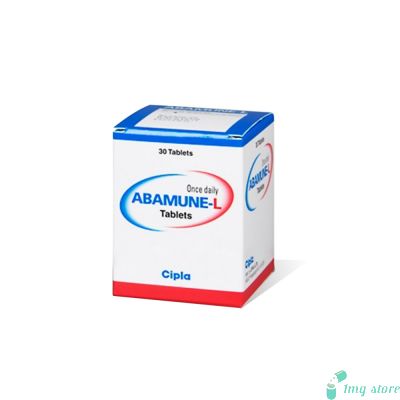
Abamune Tablet (Abacavir): Antiretroviral Medicine | For HIV Infection Management, Combination Therapy Support
Abamune Tablet contains abacavir, an antiretroviral medicine used alongside other medicines to manage HIV-1 infection. It works by blocking an enzyme the virus needs to multiply, helping reduce the amount of virus in the body and supporting immune system health. Before starting, patients must be screened for the HLA-B*5701 gene because abacavir can cause serious allergic reactions.


Product Overview
Abamune Tablet contains abacavir, an antiretroviral medicine used as part of combination treatment for HIV infection. It belongs to a group of medicines called nucleoside reverse transcriptase inhibitors (NRTIs). Abacavir helps slow down viral multiplication, allowing the immune system to function more effectively. When taken regularly with other prescribed medicines, it helps manage the infection and supports long-term health.
How Does Abamune Tablet Work? (Pharmacodynamics)
HIV needs to make copies of itself to spread within the body. Abacavir interrupts this process by blocking an enzyme called reverse transcriptase, which the virus needs to reproduce.
Inside the body's cells, abacavir is converted into its active form, carbovir triphosphate. This interferes with viral DNA formation, helping reduce viral multiplication and protect immune cells.
Understanding Its Role in the Body
Abamune helps control HIV but does not cure it. By reducing viral activity, it supports immune health and lowers the risk of complications associated with the infection.
It must be taken alongside other prescribed antiretroviral medicines. Taking doses consistently is important because missed doses can allow the virus to multiply and develop resistance.
Expected Results
With effective combination treatment, viral levels may begin decreasing within the first few weeks. Reaching an undetectable viral load may take several months, depending on individual response.
Regular blood tests help track treatment progress, even when you do not notice any immediate physical changes.
Pharmacokinetics: How the Body Processes It
Once swallowed, Abamune Tablet goes through several steps before leaving the body:
Absorption: Abacavir is absorbed relatively quickly, reaching peak blood levels in approximately 1–1.5 hours.
Processing: The liver breaks down most of the medicine, while cells convert some of it into its active form.
Elimination: The breakdown products are removed mainly through urine, with a smaller amount leaving through faeces.
Clinical Considerations
Allergy screening: An HLA-B*5701 genetic test is required before starting abacavir to assess the risk of a serious hypersensitivity reaction.
Serious allergic reactions: Fever, rash, nausea, stomach pain, unusual tiredness, or breathing difficulties may signal a dangerous reaction. Stop the medicine and seek immediate medical attention if hypersensitivity is suspected.
Never restart after hypersensitivity: If abacavir was stopped because of a suspected allergic reaction, it must not be restarted.
Liver health: Inform your doctor about liver disease, as abacavir may not be suitable for certain liver conditions.
Heart health: Discuss existing heart problems or cardiovascular risk factors with your healthcare professional.
Medicine interactions: Mention all medicines you take, including methadone and other prescribed treatments.
Storage Instructions
Store Abamune Tablets according to the product label, generally below 30°C, away from excessive heat and moisture. Keep them in their original packaging and out of children's reach.
Conclusion
Abamune Tablet helps manage HIV by slowing viral multiplication and supporting immune health. Consistent treatment, appropriate allergy screening, and regular medical follow-ups are essential for its safe and effective use.
Precautions
Abamune Tablet (Abacavir) requires special care because it can sometimes cause serious allergic reactions, liver problems, and other unwanted effects. Certain health conditions and previous reactions may increase these risks. Understanding what to check before treatment and which warning signs to watch for can help you use it safely.
Before You Start
Check for allergies: Never take Abamune if you have previously experienced an allergic reaction to abacavir.
HLA-B*5701 testing: A genetic test is required before starting treatment to check your risk of a serious allergic reaction.
Discuss liver problems: Inform your doctor if you have liver disease, including hepatitis, as abacavir may not be suitable.
Mention heart conditions: Tell your doctor about any heart problems or risk factors, as abacavir may be associated with an increased risk of cardiovascular events.
Share your medication list: Inform your doctor about all medicines and supplements you take.
Pregnancy or breastfeeding: Discuss your treatment plan with your doctor to ensure appropriate care.
While Using It
Follow the prescribed dose: Take Abamune exactly as directed. Do not change the dose yourself.
Watch for allergic reactions: Fever, rash, nausea, stomach pain, unusual tiredness, or breathing problems may indicate a serious reaction.
Never restart after a suspected allergic reaction: Stop taking Abamune and seek immediate medical advice if a hypersensitivity reaction is suspected. Never restart abacavir after a confirmed or suspected hypersensitivity reaction.
Avoid missing doses: Take your medicine regularly. If treatment has been interrupted, speak with your doctor before restarting.
Attend regular checkups: Your doctor may monitor liver function and overall treatment response.
When to Seek Medical Help
Serious allergic symptoms: Seek immediate medical attention if you develop symptoms suggesting an abacavir hypersensitivity reaction.
Liver warning signs: Report yellowing of the skin or eyes, dark urine, or persistent abdominal discomfort.
Unusual weakness or breathing difficulties: Seek urgent medical assessment, particularly if accompanied by nausea or stomach pain.
Note:
Abamune Tablet should be taken only under medical supervision. A serious allergic reaction can occur even when the HLA-B*5701 test is negative. Never restart abacavir after a suspected hypersensitivity reaction, and consult your doctor before restarting treatment following any interruption.
Usage
Take it at a fixed time: Abamune Tablet (Abacavir) should be taken regularly as prescribed, preferably at the same time each day to maintain consistent medicine levels in the body.
Follow the recommended dosage: For adults, the usual total dose is 600 mg daily, taken as 300 mg twice daily or 600 mg once daily, depending on the prescribed treatment plan. Confirm the tablet strength before use.
With or without food: Abamune can generally be taken with or without meals. Swallow the tablet with water.
Never skip or stop treatment on your own: Missing doses may reduce treatment effectiveness. If you miss a dose, take it when remembered unless the next dose is nearly due. Never double the dose.
Check for hypersensitivity risk: An HLA-B*5701 genetic test is required before starting abacavir to assess the risk of a serious allergic reaction.
Watch for warning signs: Fever, rash, nausea, stomach pain, or unusual tiredness may indicate a serious reaction, especially when several symptoms occur together. Stop the medicine and seek immediate medical assessment if a hypersensitivity reaction is suspected. Never restart abacavir after a confirmed hypersensitivity reaction.
Keep up with monitoring: Attend regular appointments so your doctor can check treatment response, liver health, and overall well-being.
Uses
Abamune Tablet contains Abacavir, an antiretroviral medicine belonging to the nucleoside reverse transcriptase inhibitor (NRTI) group. It helps control HIV-1 infection by interfering with the virus's ability to multiply in the body.
Management of HIV-1 infection: Used alongside other antiretroviral medicines to help control the infection.
Reduces viral multiplication: Helps prevent the virus from making new copies of itself.
Supports immune health: By lowering the amount of virus in the body, treatment helps the immune system maintain its protective function.
Helps maintain viral control: Consistent treatment can reduce viral levels and support long-term health.
Part of combination therapy: Abacavir is used with other prescribed medicines rather than alone to achieve effective viral suppression.
Note: Abamune helps control HIV-1 infection but does not cure it. Before starting treatment, HLA-B*5701 screening is essential. Never restart abacavir after a suspected hypersensitivity reaction without urgent specialist assessment, and never restart it after a confirmed reaction.
Side Effects
Abamune Tablet contains abacavir, an antiretroviral medicine used in HIV treatment. It may cause side effects in some people, although not everyone experiences them.
Common Side Effects
Nausea: Feeling sick or uneasy in the stomach.
Headache: Mild to moderate head pain.
Tiredness: Feeling unusually weak or low on energy.
Vomiting: Feeling sick and throwing up.
Loss of appetite: Reduced interest in eating.
Sleep disturbances: Difficulty sleeping or unusual sleep patterns.
Serious Side Effects
Severe allergic reaction: Fever, rash, stomach problems, breathing difficulties, or extreme tiredness may indicate a dangerous hypersensitivity reaction.
Liver problems: Yellowing of the skin or eyes, dark urine, or severe abdominal pain.
Lactic acidosis: Unusual muscle pain, severe weakness, or rapid breathing due to acid buildup in the blood.
Immune system reactions: New or worsening symptoms of infections as the immune system responds to treatment.
Note: Abacavir can cause a life-threatening allergic reaction, particularly in people with the HLA-B*5701 genetic variant. Testing is required before starting treatment. If a hypersensitivity reaction is suspected, stop taking Abamune and seek immediate medical attention. Never restart abacavir after a suspected hypersensitivity reaction, as this can be fatal. Do not otherwise stop or change treatment without medical advice.
FAQs
1. What is Abamune Tablet used for?
Abamune Tablet contains abacavir, an antiviral medicine used alongside other medicines to manage HIV infection. It helps control the virus and supports immune health.
2. How does Abamune Tablet work?
Abamune blocks an enzyme called reverse transcriptase, which the virus needs to multiply. This helps reduce the amount of virus in the body.
3. How should I take Abamune Tablet?
Take Abamune exactly as prescribed by your doctor, usually once or twice daily depending on your treatment plan. Do not change the dose without medical advice.
4. Can Abamune Tablet be taken with food?
Yes. Abamune can be taken with or without food. Taking it at a consistent time each day can help you follow your treatment schedule.
5. What are the common side effects of Abamune Tablet?
Common side effects may include headache, nausea, tiredness, difficulty sleeping, and unusual dreams. Inform your doctor if symptoms persist or worsen.
6. Can Abamune Tablet cause serious allergic reactions?
Yes. Abacavir can cause a potentially life-threatening hypersensitivity reaction. Fever, rash, stomach problems, breathing difficulties, or unusual tiredness may be warning signs. Stop taking it and seek immediate medical advice if a reaction is suspected.
7. Why is HLA-B*5701 testing important before taking Abamune?
This genetic test helps identify people at higher risk of a serious allergic reaction to abacavir. Testing is recommended before starting treatment, and people who test positive should not take abacavir.
8. Can I stop taking Abamune Tablet when I feel better?
No. Abamune helps control the infection but does not cure it. Stopping treatment may allow the virus to multiply and develop resistance.
9. What should I do if I miss a dose of Abamune Tablet?
Take the missed dose when you remember unless it is nearly time for the next dose. Never double the dose. If treatment has been interrupted, contact your doctor before restarting because of the risk of a serious allergic reaction.
10. Who should avoid taking Abamune Tablet?
People who test positive for HLA-B*5701, have previously experienced an allergic reaction to abacavir, or have moderate to severe liver impairment should not take it. Always discuss your medical history before starting treatment.
Interactions
Abamune Tablets contain abacavir, which may interact with certain medicines and alcohol, affecting how the body processes the treatment. Some combinations may increase side effects or require closer monitoring. Knowing what to avoid can help keep your treatment safe and effective.
1. Alcohol
Interaction: Drinking alcohol may slow down how quickly the body removes abacavir, increasing its levels in the blood and potentially raising the risk of side effects.
Advice: Avoid alcohol or discuss alcohol consumption with your doctor during treatment.
2. Methadone
Interaction: Abacavir may slightly increase how quickly the body clears methadone, potentially reducing its effects in some people.
Advice: Inform your doctor if you take methadone, as your response may need monitoring.
3. Riociguat
Interaction: Abacavir may increase riociguat levels in the blood, raising the risk of side effects such as low blood pressure, dizziness, or fainting.
Advice: This combination requires medical supervision, and your doctor may need to adjust the riociguat dose.
4. Other Medicines Containing Abacavir
Interaction: Taking Abamune alongside another medicine containing abacavir may result in an unintended extra dose, increasing the risk of side effects.
Advice: Check the ingredients of combination medicines and avoid taking duplicate abacavir treatments.
5. Certain Liver-Processed Medicines
Interaction: Abacavir is mainly broken down by specific pathways in the liver. Medicines that affect these pathways could potentially change its levels, although clinically important interactions are not established for most commonly used medicines.
Advice: Share your complete medication list with your healthcare professional before starting any new treatment.
Important: Never stop or restart Abamune without medical advice. If you develop symptoms such as fever, rash, nausea, stomach pain, or unusual tiredness, seek medical attention promptly, as these may indicate a serious allergic reaction.
| Manufacturer | : | Cipla Ltd |
| Equivalent Brand | : | Ziagen |
| Generic Search | : | Abacavir |
Latest Products