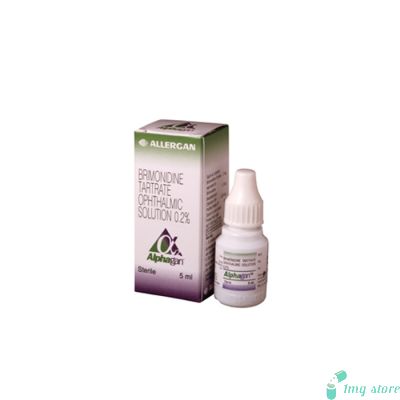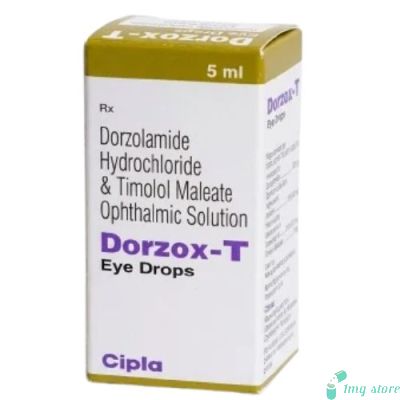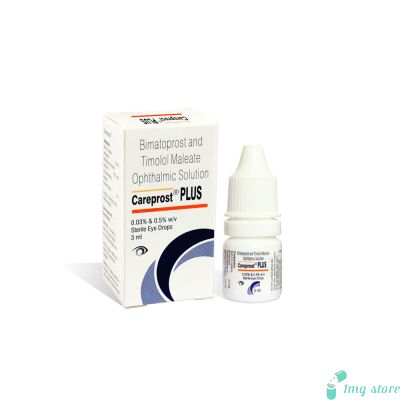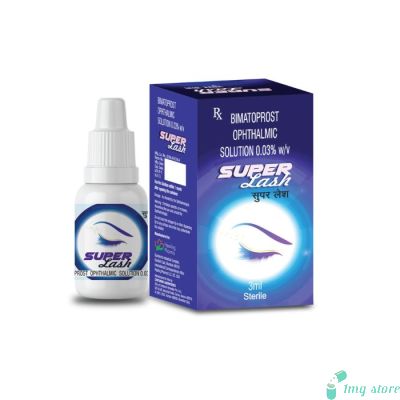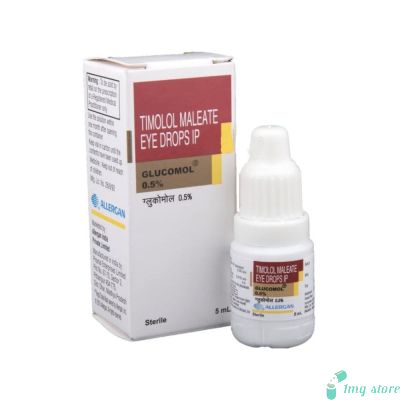
Combigan Ophthalmic Solution (Timolol + Brimonidine) | For Reducing Eye Pressure in Glaucoma and Ocular Hypertension
Combigan Ophthalmic Solution contains a combination of Timolol and Brimonidine, an effective anti-glaucoma medication used to reduce elevated intraocular pressure in conditions such as open-angle glaucoma and ocular hypertension. It works by decreasing the production of aqueous humor and increasing its drainage from the eye, thereby helping to lower eye pressure and protect the optic nerve from damage.


Product Overview
Combigan Ophthalmic Solution contains two active ingredients, Timolol and Brimonidine, which are used to manage increased pressure inside the eyes associated with conditions such as glaucoma and ocular hypertension. These ingredients work in different ways to reduce the production of fluid inside the eye and improve its drainage. By lowering eye pressure, Combigan helps protect the optic nerve from pressure-related damage and supports the preservation of vision.
How Does Combigan Ophthalmic Solution Work? (Pharmacodynamics)
Combigan combines two medicines that help control eye pressure through different mechanisms:
- Timolol: A beta-blocker that reduces the production of aqueous humour, the clear fluid naturally present inside the eye.
- Brimonidine: An alpha-2 adrenergic agonist that reduces fluid production and also helps increase its drainage through an alternative pathway.
Together, these actions help lower the amount of fluid inside the eye, reducing pressure and helping protect the optic nerve.
Understanding Its Role in the Body
The eye continuously produces and drains a clear fluid to maintain its normal pressure. When this fluid builds up or does not drain properly, pressure inside the eye can increase.
Combigan helps maintain a better balance between fluid production and drainage. Regular use can help reduce the risk of further optic nerve damage, although it cannot reverse vision loss that has already occurred.
Expected Results
Combigan begins working after application, but the full pressure-lowering benefit depends on regular use. Eye pressure may improve within the first few hours, while consistent treatment helps maintain better pressure control over time. Regular eye examinations are important to check how well the drops are working.
Pharmacokinetics: How the Body Processes It
Although Combigan is applied directly to the eyes, small amounts of its ingredients can enter the bloodstream through the eye tissues and tear drainage system.
- Absorption: Both ingredients are absorbed locally after application, with some systemic absorption also possible.
- Distribution: Timolol and brimonidine act on their respective receptors in the eye to help reduce intraocular pressure.
- Metabolism: Timolol is mainly processed by the liver, while brimonidine is also broken down through metabolic pathways.
- Elimination: Their breakdown products are removed from the body through natural elimination processes, mainly through the kidneys.
Clinical Considerations
- Heart health: Timolol may slow the heart rate and affect blood pressure. Inform your doctor if you have heart problems or a history of breathing difficulties.
- Breathing conditions: Tell your healthcare professional if you have asthma, severe COPD, or other respiratory conditions, as timolol may worsen breathing problems.
- Eye conditions: Inform your doctor about previous eye surgery, eye infections, or other existing eye problems.
- Other medicines: Discuss the use of oral beta-blockers, blood pressure medicines, heart medicines, and antidepressants, as some combinations may increase side effects.
- Contact lenses: Remove soft contact lenses before applying the drops and wait at least 15 minutes before putting them back in.
- Proper application: Avoid touching the dropper tip to your eye or any surface. After applying the drops, gently close your eyes and press the inner corner near the nose for about one minute to reduce absorption into the bloodstream.
- Pregnancy and breastfeeding: Consult your healthcare professional before using Combigan during pregnancy or breastfeeding.
Storage Instructions
Store Combigan Ophthalmic Solution according to the temperature instructions on its packaging, generally at room temperature between 15°C and 25°C. Keep the bottle tightly closed, away from direct sunlight and heat. Do not touch the dropper tip, and follow the recommended discard period after opening.
Precautions
Combigan Ophthalmic Solution (Timolol + Brimonidine) should be used with care because it can affect eye pressure, heart rate, blood pressure, and breathing in some people. Certain existing health conditions and medicines may increase the risk of unwanted effects. Knowing what to discuss before starting treatment and following the correct application method can help you use these eye drops safely.
Before You Start
Check for allergies: Inform your doctor if you have previously experienced an allergic reaction to timolol, brimonidine, or any other ingredient in Combigan.
Discuss breathing problems: Tell your doctor if you have asthma, a history of breathing difficulties, or chronic obstructive pulmonary disease (COPD), as timolol may worsen these conditions.
Mention heart conditions: Inform your doctor if you have a slow heartbeat, heart block, heart failure, or other heart-related problems.
Discuss blood pressure issues: Let your doctor know if you have low blood pressure, poor circulation, or a history of fainting.
Share your medication list: Mention all medicines and supplements you take, particularly blood pressure medicines, beta-blockers, heart medications, and antidepressants.
Pregnancy or breastfeeding: Discuss the possible benefits and risks with your doctor before using Combigan.
While Using It
Follow the prescribed schedule: Use Combigan exactly as directed by your eye specialist. Do not increase the number of drops or change the frequency yourself.
Avoid contamination: Wash your hands before application and make sure the dropper tip does not touch your eye, fingers, or any other surface.
Remove contact lenses: Take out soft contact lenses before applying the drops and wait at least 15 minutes before putting them back in.
Allow time between eye drops: If you use other eye medications, maintain an interval of at least 5 minutes between applications.
Apply gentle pressure: After putting in a drop, close your eye and gently press the inner corner near your nose for about one minute. This helps limit the amount of medicine entering your bloodstream.
Be careful with daily activities: Temporary blurred vision, dizziness, or drowsiness may occur. Avoid driving or operating machinery until your vision becomes clear and you feel alert.
Attend regular eye checkups: Your doctor may monitor eye pressure, heart rate, and other health parameters during treatment.
When to Seek Medical Help
Breathing difficulties: Seek immediate medical attention if you develop wheezing, chest tightness, or difficulty breathing.
Heart-related symptoms: Report an unusually slow heartbeat, fainting, chest discomfort, or severe dizziness.
Severe eye reactions: Contact your doctor if you experience persistent redness, swelling, pain, or significant irritation.
Allergic reactions: Seek urgent medical attention if you notice facial swelling, severe itching, or breathing difficulties.
Changes in vision: Report sudden blurred vision, significant changes in eyesight, or unusual eye discomfort.
Note:
Combigan Ophthalmic Solution should be used only under the supervision of an eye specialist. Because it contains timolol, it may affect heart rate and breathing, even when applied as eye drops. Do not stop treatment or change the prescribed schedule without medical advice, as uncontrolled eye pressure can increase the risk of optic nerve damage.
Usage
Follow your eye specialist's instructions: Use Combigan Ophthalmic Solution (Timolol + Brimonidine) exactly as prescribed. It is commonly applied twice daily, around 12 hours apart, but follow your prescribed schedule.
Prepare before applying: Wash your hands and check that the bottle and dropper tip are clean. Avoid touching the tip with your fingers or letting it come into contact with your eye.
Apply the drops correctly: Tilt your head backwards, gently pull down your lower eyelid, and place one prescribed drop into the affected eye.
Allow time for absorption: Close your eyes gently for about one minute and press lightly on the inner corner of the eye. This helps reduce the medicine entering the bloodstream through the tear duct.
Using other eye drops? Leave at least five minutes between different eye medications. If you use an eye ointment as well, apply it after the drops.
Missed a dose? Apply it when you remember, unless it is nearly time for your next dose. Skip the missed dose if necessary and continue with your regular schedule. Do not apply extra drops.
Remove contact lenses: Take out soft contact lenses before application and wait at least 15 minutes before putting them back in, as the formulation may contain benzalkonium chloride.
Watch for unusual reactions: Temporary blurred vision, eye redness, burning, or irritation may occur. Contact your doctor if symptoms persist or become uncomfortable.
Uses
Combigan Ophthalmic Solution contains Timolol and Brimonidine, two medicines that work together to reduce elevated pressure inside the eyes. It is mainly prescribed for people with glaucoma or ocular hypertension when additional pressure control is needed.
Open-angle glaucoma: Helps lower increased eye pressure and reduce the risk of further optic nerve damage.
Ocular hypertension: Helps manage pressure inside the eyes when it is higher than normal.
Reduces fluid production: Timolol decreases the production of aqueous humour, the natural fluid inside the eye.
Improves fluid drainage: Brimonidine helps reduce fluid production and supports its drainage from the eye.
Combined pressure control: The two ingredients work through different mechanisms to provide better eye pressure reduction than either ingredient may provide alone.
Summary
Use it regularly as prescribed, even if your eyes feel normal, because increased eye pressure often has no noticeable symptoms. Inform your doctor if you have asthma, a slow heartbeat, heart problems, or breathing difficulties, as Timolol may not be suitable for everyone.
Side Effects
Combigan Ophthalmic Solution contains Timolol and Brimonidine, two medicines that help lower increased pressure inside the eyes. Some people may experience side effects during treatment, depending on their individual response and sensitivity to the ingredients. Not everyone experiences these effects.
Common Side Effects
Eye redness: Your eyes may become slightly red or irritated.
Burning or stinging: A mild burning sensation may occur after applying the drops.
Blurred vision: You may experience temporary blurred vision after application.
Dry eyes: Your eyes may feel dry or uncomfortable.
Itching: Mild itching or irritation around the eyes may occur.
Headache: Some people may experience headaches during treatment.
Dry mouth: You may notice an unusually dry feeling in your mouth.
Drowsiness: You may feel sleepy or less alert.
Fatigue: Some people may experience tiredness or reduced energy.
Serious Side Effects
Breathing difficulties: Wheezing, shortness of breath, or difficulty breathing requires immediate medical attention.
Slow heartbeat: Timolol may reduce heart rate, sometimes causing weakness or dizziness.
Low blood pressure: You may experience lightheadedness, fainting, or unusual weakness.
Severe allergic reactions: Swelling of the face, lips, or throat, or difficulty breathing requires emergency care.
Heart-related problems: Chest discomfort, an irregular heartbeat, or fainting needs prompt medical assessment.
Severe eye reactions: Persistent eye pain, significant swelling, or intense redness should be checked by a doctor.
Note: Use Combigan Ophthalmic Solution only as prescribed. Avoid touching the dropper tip to your eye or other surfaces. After applying the drops, gently close your eyes and press the inner corner of the eye for about 1–2 minutes if advised, as this may reduce absorption into the bloodstream. Inform your doctor if you have asthma, breathing problems, heart conditions, or diabetes. Avoid driving if you experience blurred vision or drowsiness. Seek medical advice if side effects persist or worsen.
FAQs
1. What is Combigan Ophthalmic Solution used for?
Combigan Ophthalmic Solution contains timolol and brimonidine. It is used to lower increased pressure inside the eyes in people with open-angle glaucoma or ocular hypertension.
2. How does Combigan Eye Drop work?
Combigan works in two ways. Timolol reduces the amount of fluid produced inside the eye, while brimonidine decreases fluid production and helps improve its drainage. Together, they help lower eye pressure.
3. How should Combigan Ophthalmic Solution be used?
Wash your hands, tilt your head backwards, and gently pull down your lower eyelid to create a small pocket. Place the prescribed drop into the eye without touching the dropper tip to any surface.
4. How often should Combigan Eye Drop be used?
It is commonly prescribed twice daily, approximately 12 hours apart. However, follow your ophthalmologist's instructions and do not change the frequency yourself.
5. What are the common side effects of Combigan Ophthalmic Solution?
Some people may experience eye redness, itching, burning, dryness, blurred vision, or a foreign-body sensation. Dry mouth, drowsiness, and tiredness may also occur.
6. Can Combigan Eye Drop be used in both eyes?
It can be used in one or both eyes, depending on where increased eye pressure needs treatment. Follow the instructions given by your ophthalmologist.
7. Can Combigan Ophthalmic Solution be used with other eye drops?
Yes, it may be prescribed alongside other eye medicines when additional pressure control is needed. Keep a gap of at least 5 minutes between different eye drops unless your doctor advises otherwise.
8. Can I wear contact lenses while using Combigan Eye Drop?
Remove contact lenses before applying the drops. If your lenses are compatible with the formulation, wait at least 15 minutes before putting them back in.
9. What should I do if I miss a dose of Combigan Ophthalmic Solution?
Apply the missed dose when you remember, unless it is almost time for your next dose. If so, skip the missed dose and continue with your regular schedule. Do not use extra drops to make up for it.
10. Who should avoid using Combigan Ophthalmic Solution?
People with certain heart conditions, slow heart rate, breathing problems such as asthma, or an allergy to its ingredients should consult their doctor before use. It is also contraindicated in children under 2 years of age. Always share your medical history and current medicines with your ophthalmologist.
Interactions
Using Combigan Ophthalmic Solution with certain medicines may increase side effects or affect blood pressure, heart rate, and breathing. Even though it is applied directly to the eyes, small amounts of its ingredients can enter the bloodstream. Inform your healthcare professional about all medicines and eye drops you use before starting treatment.
1. Blood Pressure Medicines
Medicines such as amlodipine and other blood pressure-lowering drugs may increase the risk of low blood pressure or dizziness.
Tell your healthcare professional if you take regular treatment for hypertension.
2. Heart Medicines
Medicines such as beta-blockers and certain drugs used to control heart rhythm may slow the heartbeat further.
Inform your healthcare professional if you have a history of heart problems or take heart medication.
3. Antidepressants
Certain antidepressants, particularly tricyclic antidepressants and medicines that affect noradrenaline, may interact with brimonidine.
Discuss your treatment if you take medicines for depression.
4. Other Beta-Blockers
Using Combigan with other beta-blockers, including certain eye drops, may increase the risk of a slow heartbeat, low blood pressure, or breathing difficulties.
Avoid combining them without medical advice.
5. Sedatives and Sleeping Medicines
Medicines used for sleep, anxiety, or relaxation may increase drowsiness when combined with brimonidine.
Use these combinations cautiously under medical guidance.
6. Other Eye Drops
Using multiple eye medications may require a specific time gap between applications.
Follow your healthcare professional's instructions about the order and timing of each eye drop.
Tips to Avoid Interactions
Share a complete list of your medicines, eye drops, and supplements with your healthcare professional.
Inform them if you have asthma, breathing difficulties, heart problems, or low blood pressure.
Follow the recommended gap between different eye drops.
Do not stop or change regular medicines without medical advice.
Note: Combigan contains timolol and brimonidine, both of which can have effects beyond the eyes. Seek medical advice if you experience unusual dizziness, fainting, a very slow heartbeat, or breathing difficulties.
| Manufacturer | : | Allergan, India |
| Equivalent Brand | : | Combigan |
| Generic Search | : | Brimonidine + Timolol |
Latest Products