Diabetrol SR Tablet (Glibenclamide + Metformin) | For Type 2 Diabetes Mellitus, Blood Glucose Control & Glycemic Management
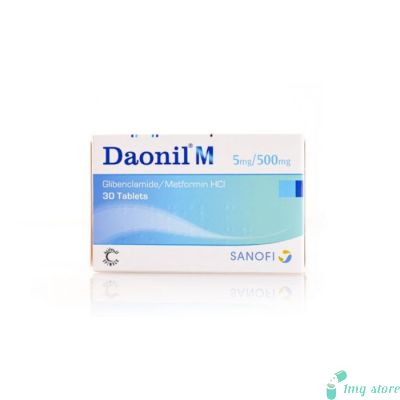
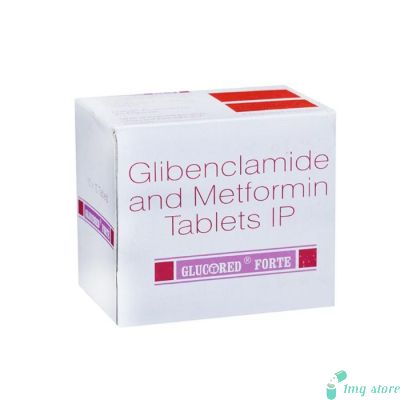
Diabetrol SR Tablet contains glibenclamide and metformin hydrochloride as its active ingredients, subject to confirmation on the product packaging. This sustained-release combination medicine helps manage blood sugar levels in adults with type 2 diabetes.


Product Overview
What Is Diabetrol SR Tablet?
Diabetrol SR Tablet is a sustained-release oral medicine used to help manage blood glucose levels in adults with type 2 diabetes. Before making product-specific claims, confirm the active ingredients and strengths printed on the product packaging. Available product information identifies Diabetrol SR as a combination of glibenclamide and metformin hydrochloride, but the exact formulation should be verified against the pack.
These two ingredients work in different ways to support blood sugar management. Glibenclamide helps the pancreas release insulin, while metformin helps reduce glucose production in the liver and improves the body's response to insulin.
Active Ingredients in Diabetrol SR Tablet
Glibenclamide: Also known as glyburide, glibenclamide belongs to the sulfonylurea group of medicines. It stimulates insulin release from the pancreas, helping the body regulate blood glucose levels.
Metformin hydrochloride: Metformin belongs to the biguanide group. It reduces the amount of glucose produced by the liver and improves insulin sensitivity, helping the body use glucose more effectively.
The sustained-release formulation is designed to release its ingredients gradually over time. Check the packaging to confirm the precise strengths and formulation of the product.
How Does Diabetrol SR Tablet Work?
Diabetrol SR combines two active ingredients that support blood glucose regulation through different mechanisms.
Glibenclamide: Stimulates the pancreas to release insulin, which helps move glucose from the bloodstream into the body's cells.
Metformin hydrochloride: Reduces glucose production in the liver and improves the body's sensitivity to insulin.
Together, these ingredients help improve blood glucose control in adults with type 2 diabetes when used as part of an appropriate treatment plan.
Understanding the Sustained-Release Formulation
The “SR” in Diabetrol SR stands for sustained release. This formulation is designed to release its medicine gradually rather than all at once. The exact release characteristics depend on the product formulation.
Because it contains glibenclamide and metformin, Diabetrol SR should be taken according to the product-specific instructions. Do not crush or chew the tablet unless the product leaflet specifically permits it.
Role in Blood Glucose Management
Type 2 diabetes affects how the body produces and uses insulin. As a result, glucose can remain in the bloodstream instead of being used efficiently for energy.
Diabetrol SR addresses this process in two ways: glibenclamide supports insulin release, while metformin reduces glucose production in the liver and improves insulin sensitivity. This combined action can help support more consistent blood glucose control.
Composition and Product Information
| Product detail | Information |
| Brand name | Diabetrol SR Tablet |
| Active ingredients | Glibenclamide and metformin hydrochloride |
| Commonly listed strength | Glibenclamide 5 mg + metformin 500 mg |
| Medicine category | Combination oral antidiabetic medicine |
| Formulation | Sustained-release combination |
| Dosage form | Tablet |
Summary
Diabetrol SR Tablet combines glibenclamide and metformin hydrochloride to support blood glucose management in adults with type 2 diabetes. Glibenclamide helps stimulate insulin release, while metformin reduces glucose production in the liver and improves insulin sensitivity. Its sustained-release formulation is designed to release the medicine gradually.
Precaution
Diabetrol SR Tablet is commonly listed as a combination of glibenclamide and metformin hydrochloride for managing blood sugar levels in adults with type 2 diabetes. Confirm the ingredients and strengths on the product packaging before use.
1. Monitor Blood Sugar
Check blood glucose regularly, as glibenclamide may cause blood sugar levels to fall too low.
2. Kidney Function
Inform your healthcare professional about kidney problems, as metformin may not be suitable for certain levels of reduced kidney function.
3. Liver Health
Discuss any liver problems before starting treatment, as they may affect the safe use of this combination.
4. Take With Meals
Follow the product-specific instructions about taking Diabetrol SR with meals to help reduce stomach discomfort and manage the risk of low blood sugar.
5. Avoid Skipping Meals
Skipping meals or prolonged fasting may increase the risk of low blood sugar, particularly because the tablet contains glibenclamide.
6. Alcohol Consumption
Discuss alcohol use with your healthcare professional, as it may increase the risk of low blood sugar and metformin-associated complications.
7. Dehydration
Severe dehydration from vomiting, diarrhoea, or fever may affect kidney function and increase treatment-related risks. Seek medical advice if you cannot maintain adequate fluid intake.
Usage
Diabetrol SR Tablet is commonly listed as a combination of glibenclamide and metformin hydrochloride, used to help manage blood sugar levels in adults with type 2 diabetes. Confirm the ingredients and strengths on the product packaging before use.
How to Take Diabetrol SR Tablet
Follow medical instructions: Take the tablet according to your healthcare professional's directions.
Take with meals: This combination is generally taken with meals as directed to help reduce stomach discomfort and manage the risk of low blood sugar.
Maintain a routine: Take it at the recommended time each day.
Swallow as directed: Do not crush or chew a sustained-release tablet unless the product leaflet specifically allows it.
Missed dose: Follow the leaflet's instructions. Do not take a double dose to compensate for a missed one.
Uses
Diabetrol SR Tablet is commonly listed as a combination of glibenclamide and metformin hydrochloride. These ingredients work together to help manage blood sugar levels in adults with type 2 diabetes. Confirm the composition on the product packaging before use.
1. Management of Type 2 Diabetes
Diabetrol SR helps control elevated blood glucose levels by supporting insulin release and improving the body's response to insulin.
2. Supports Insulin Release
Glibenclamide stimulates the pancreas to release insulin, helping the body move glucose from the bloodstream into its cells.
3. Helps Reduce Glucose Production
Metformin reduces the amount of glucose produced by the liver, supporting better blood sugar regulation.
4. Improves Insulin Sensitivity
Metformin helps the body respond more effectively to insulin, allowing cells to use glucose more efficiently.
5. Supports Long-Term Blood Sugar Control
When taken as directed alongside suitable dietary habits and physical activity, Diabetrol SR can form part of a long-term type 2 diabetes management plan.
Side Effects
Diabetrol SR Tablet is commonly listed as a combination of glibenclamide and metformin hydrochloride for managing blood sugar levels in adults with type 2 diabetes. Confirm the active ingredients on the product packaging, as the side effects depend on the exact formulation.
Common Effects
1. Low Blood Sugar
Glibenclamide may lower blood sugar too much, causing sweating, shakiness, dizziness, hunger, or confusion.
2. Nausea and Vomiting
Metformin may cause nausea or vomiting, particularly when treatment begins or the dose changes.
3. Diarrhoea
Loose stools may occur as the body adjusts to metformin.
4. Stomach Discomfort
Some people may experience abdominal discomfort, bloating, or indigestion.
5. Reduced Appetite
A temporary decrease in appetite may occur during treatment.
6. Headache or Dizziness
Headaches or dizziness may occur, including when blood sugar becomes too low.
FAQs
1. What is Diabetrol SR Tablet used for?
Diabetrol SR Tablet helps manage blood sugar levels in adults with type 2 diabetes.
2. What are the active ingredients in Diabetrol SR Tablet?
It is commonly listed as a combination of glibenclamide and metformin hydrochloride. Confirm the ingredients on the product packaging.
3. How does Diabetrol SR Tablet work?
Glibenclamide stimulates insulin release, while metformin reduces glucose production in the liver and improves insulin sensitivity.
4. How should Diabetrol SR Tablet be taken?
Take it according to your healthcare professional's instructions, usually with meals as directed for the specific formulation.
5. What does SR mean in Diabetrol SR Tablet?
SR stands for sustained release, meaning the medicine is designed to release its ingredients gradually over time.
6. Can Diabetrol SR Tablet cause low blood sugar?
Yes. Glibenclamide may cause low blood sugar, particularly when meals are skipped or the medicine is combined with certain other diabetes treatments.
7. Can Diabetrol SR Tablet be taken with other medicines?
Some medicines may interact with its ingredients. Inform your healthcare professional about all medicines and supplements you use.
8. Does Diabetrol SR Tablet require regular monitoring?
Yes. Blood glucose and kidney function may need regular monitoring during treatment.
Interactions
Diabetrol SR Tablet is commonly listed as a combination of glibenclamide and metformin hydrochloride. These ingredients help manage blood sugar levels in adults with type 2 diabetes. Confirm the product composition on the packaging, as interactions depend on the exact formulation.
1. Insulin and Other Diabetes Medicines
Combining Diabetrol SR with insulin or other diabetes medicines may increase the risk of low blood sugar. Regular monitoring may be needed.
2. Beta-Blockers
Some beta-blockers, used for blood pressure and heart conditions, may mask warning signs of low blood sugar, such as a rapid heartbeat.
3. Diuretics
Certain diuretics may affect blood glucose levels or kidney function, which can influence the safe use of metformin.
4. Corticosteroids
Medicines such as prednisolone may increase blood glucose levels and reduce the effectiveness of diabetes treatment.
5. Alcohol
Alcohol may increase the risk of low blood sugar and raise the risk of a rare but serious metformin-related complication called lactic acidosis.
6. Iodinated Contrast Agents
Contrast agents used in certain imaging procedures may affect kidney function. Metformin may need to be temporarily withheld in some situations, depending on kidney function and the procedure.
| Manufacturer | : | Abbott Healthcare, India |
| Equivalent Brand | : | Glucovance |
| Generic Search | : | Glibenclamide + Metformin |
Latest Products