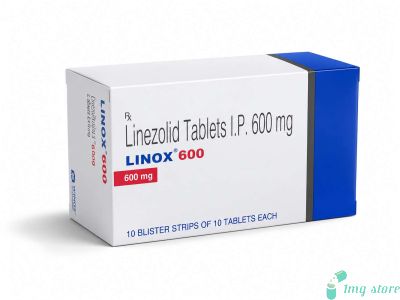
Zyzolide Tablet (Linezolid): Antibiotic Medicine | For the Treatment of Certain Bacterial Infections
Zyzolide Tablet contains linezolid, an antibiotic used to treat certain bacterial infections, including some infections affecting the lungs and skin. It works by stopping bacteria from producing the proteins they need to grow and multiply. Take it exactly as prescribed by your healthcare professional and complete the recommended course, even if you start feeling better.


Product Overview
Zyzolide Tablet contains linezolid, an antibiotic used to treat certain bacterial infections. It works by stopping bacteria from making the proteins they need to grow and multiply, helping the body fight the infection. It may be prescribed for specific infections affecting the lungs, skin, and other tissues, depending on the type of bacteria involved.
How Does Zyzolide Tablet Work?
Linezolid interferes with the bacteria’s ability to produce essential proteins. Without these proteins, the bacteria cannot grow and multiply normally, allowing the body’s natural defences to help control the infection.
Understanding Its Role in the Body
Zyzolide is used for particular bacterial infections and is not effective against viral illnesses such as colds or flu. Taking it for the full prescribed duration helps support treatment, even if you begin feeling better before the course is finished.
Expected Results
Improvement depends on the type and severity of the infection and how the bacteria respond to treatment. Complete the prescribed course even if you start feeling better, unless your healthcare professional advises you to stop or change it.
Pharmacokinetics: How the Body Processes It
After you take Zyzolide Tablet, linezolid enters the bloodstream and reaches the infected tissues. The body processes the medicine and removes it through urine and other routes. The prescribed dose and treatment duration depend on the infection and your individual needs.
Clinical Considerations
Medicine interactions: Tell your healthcare professional about all medicines you take, particularly antidepressants and medicines that may affect blood pressure.
Blood monitoring: Blood tests may be needed during treatment, especially if the course lasts longer than two weeks.
Food considerations: Follow your healthcare professional's advice about foods rich in tyramine, such as aged cheese and cured meats, as these may affect blood pressure during treatment.
Safe use: Take the tablet exactly as prescribed and do not share antibiotics with others.
When to seek advice: Report unusual bruising, persistent diarrhoea, changes in vision, or other unexpected symptoms promptly.
Storage Instructions
Store Zyzolide Tablets according to the instructions on the product packaging. Keep them away from excessive heat and moisture, and out of reach of children.
Conclusion
Zyzolide Tablet helps treat certain bacterial infections by preventing bacteria from growing and multiplying. Taking it exactly as prescribed and following your healthcare professional's advice can help support effective treatment.
Precautions
Zyzolide Tablet contains linezolid, an antibiotic used to treat certain bacterial infections. It works by stopping bacteria from producing the proteins they need to grow. To use this medicine safely, follow your healthcare professional’s instructions and be aware of possible interactions and side effects.
Before You Start
Consult your healthcare professional: Confirm that linezolid is appropriate for your infection.
Share your medical history: Inform your doctor if you have high blood pressure, diabetes, thyroid problems, or a history of blood disorders.
Mention all medicines: Tell your doctor about prescription medicines, over-the-counter products, and supplements, especially antidepressants and medicines that affect blood pressure.
Discuss dietary habits: Certain foods rich in tyramine, such as aged cheese, cured meats, and fermented products, may need to be limited during treatment.
Discuss pregnancy or breastfeeding: Seek medical advice before using this medicine if you are pregnant or breastfeeding.
While Using It
Follow the prescribed dose: Take Zyzolide exactly as directed and complete the prescribed course unless your doctor advises otherwise.
Avoid self-medication: Do not use leftover antibiotics or share your tablets with others.
Watch for unusual bruising: Linezolid can affect blood cell counts, so your doctor may recommend blood tests during treatment.
Monitor blood sugar: If you have diabetes, watch for low blood sugar, particularly if you take medicines that lower glucose.
Be alert to unusual symptoms: Report persistent diarrhoea, vision changes, numbness, or tingling to your healthcare professional.
Avoid unapproved medicine combinations: Some antidepressants, opioid medicines, and decongestants can interact with linezolid. Check with your doctor or pharmacist before taking them.
When to Seek Medical Help
Severe diarrhoea: Contact your doctor if you develop severe or persistent diarrhoea, even after finishing treatment.
Unusual bleeding: Seek medical advice for unexplained bruising or bleeding.
Possible allergic reaction: Get immediate medical help for facial swelling or difficulty breathing.
Serious symptoms: Seek urgent care for sudden vision changes, severe headache, confusion, or significant weakness.
Note:
Zyzolide Tablet should be taken only as prescribed. Keep your healthcare professional informed about other medicines you use, attend recommended blood tests, and do not change your dose or treatment duration without medical advice.
Usage
Follow your prescription: Take Zyzolide Tablet (Linezolid) exactly as directed by your healthcare professional.
Keep a regular schedule: Take each dose at the recommended time. Follow your doctor's instructions about taking it with or without food.
Complete the prescribed course: Continue treatment for the full duration, even if you start feeling better. Do not stop early without medical advice.
Missed a dose? Take it when you remember, unless it is nearly time for your next dose. Never double the dose to make up for a missed one.
Check other medicines: Inform your doctor about all medicines and supplements you use, particularly antidepressants, certain pain medicines, and cold or cough remedies.
Be mindful of your diet: Linezolid can interact with foods rich in tyramine, such as aged cheese, cured meats, and some fermented foods. Ask your healthcare professional which foods to limit or avoid.
Watch for unusual symptoms: Contact your doctor if you develop persistent diarrhoea, unusual bruising, vision changes, or symptoms that concern you.
Uses
Zyzolide Tablet contains Linezolid and is prescribed for certain bacterial infections when this antibiotic is considered appropriate.
Pneumonia: Used to treat certain types of bacterial pneumonia.
Skin and soft tissue infections: Helps treat specific bacterial infections affecting the skin and underlying tissues.
Resistant bacterial infections: May be prescribed for infections caused by susceptible Gram-positive bacteria, including certain resistant strains.
Targeted treatment: Helps control the infection when the bacteria responsible are sensitive to linezolid.
Note: Zyzolide is an antibiotic and does not work against viral illnesses such as colds or flu. Use it only when prescribed, and never share leftover antibiotics with others. Seek medical advice if your symptoms worsen or do not improve as expected.
Side Effects
Zyzolide Tablets contain linezolid, an antibiotic used to treat certain bacterial infections. Like other medicines, it may cause side effects in some people. These can vary depending on the individual, dose, and duration of treatment. Not everyone experiences side effects.
Common Side Effects
Nausea: You may feel sick or uncomfortable in your stomach.
Diarrhoea: Your bowel movements may become loose or more frequent.
Headache: Some people may experience mild headaches.
Vomiting: You may feel the urge to vomit or actually vomit.
Changes in taste: Food or drinks may taste different than usual.
Serious Side Effects
Unusual bruising or bleeding: Easy bruising, frequent nosebleeds, or bleeding that takes longer to stop may indicate a drop in blood cell counts.
Vision changes: Blurred vision or changes in colour vision, especially during prolonged treatment, need prompt medical attention.
Nerve problems: Tingling, numbness, or burning sensations in the hands or feet should be reported to your doctor.
Serotonin syndrome: Agitation, confusion, sweating, fever, tremors, or a rapid heartbeat may indicate a serious reaction, particularly when linezolid interacts with certain antidepressants or other medicines.
Severe diarrhoea: Persistent or bloody diarrhoea, even after completing treatment, requires medical assessment.
Note: Inform your healthcare professional about all medicines you take, particularly antidepressants, and do not start or stop other medicines without advice.
FAQs
1. What is Zyzolide Tablet used for?
Zyzolide Tablet contains linezolid, an antibiotic used to treat certain bacterial infections, including some infections affecting the lungs and skin.
2. How does Zyzolide Tablet work?
It works by stopping bacteria from making the proteins they need to grow and multiply, helping the body fight the infection.
3. How should I take Zyzolide Tablet?
Take it exactly as prescribed by your doctor, at the recommended times. Swallow the tablet with water and complete the prescribed course, even if you start feeling better.
4. What are the common side effects of Zyzolide Tablet?
Some people may experience nausea, diarrhoea, vomiting, headache, or changes in taste. Contact your doctor if symptoms persist or become troublesome.
5. Can I stop taking Zyzolide Tablet when I feel better?
No. Do not stop the treatment early without consulting your doctor, as the infection may not be fully treated.
6. Can Zyzolide Tablet be taken with food?
Yes. Linezolid can generally be taken with or without food. Follow your doctor's instructions for the best results.
7. Can Zyzolide Tablet interact with other medicines?
Yes. It may interact with certain antidepressants, some opioid medicines, and other drugs that affect serotonin or blood pressure. Tell your doctor about all medicines and supplements you use.
8. Are there any food restrictions while taking Zyzolide Tablet?
You may need to limit large amounts of tyramine-rich foods, such as aged cheese, cured or fermented meats, and certain fermented products. Ask your doctor or pharmacist for specific dietary advice.
9. What precautions should I take while using Zyzolide Tablet?
Tell your doctor if you have high blood pressure, diabetes, or a history of blood disorders. Longer treatment may require blood tests. Seek medical advice if you develop unusual bruising, vision changes, or severe diarrhoea.
10. What should I do if I miss a dose of Zyzolide Tablet?
Take the missed dose when you remember, unless it is nearly time for your next dose. If it is, skip the missed dose and continue your usual schedule. Do not take two doses together.
Interactions
Zyzolide Tablets can interact with some medicines and foods, which may increase the risk of side effects or affect your treatment. Tell your healthcare professional about all medicines, supplements, and herbal products you use before starting Zyzolide.
1. Antidepressants
Some medicines used to treat depression, such as fluoxetine and sertraline, may interact with linezolid and increase the risk of serotonin syndrome.
Tell your healthcare professional if you take antidepressants or medicines that affect serotonin.
2. Certain Pain Medicines
Medicines such as tramadol and some opioid painkillers may increase the risk of serious reactions when combined with linezolid.
Check with your healthcare professional before using them together.
3. Cold and Cough Medicines
Some products containing pseudoephedrine or phenylephrine may raise blood pressure when taken with linezolid.
Ask a healthcare professional before using over-the-counter cold or flu remedies.
4. Blood Pressure Medicines
Linezolid may affect blood pressure when combined with certain medicines used to treat high blood pressure.
Tell your healthcare professional about your blood pressure treatment.
5. Certain Foods and Drinks
Foods rich in tyramine, such as aged cheese, cured meats, and fermented products, may cause a rise in blood pressure during linezolid treatment.
Follow your healthcare professional's advice about foods to limit.
Tips to Avoid Interactions
Share a complete list of your medicines, supplements, and herbal products.
Check with a healthcare professional before starting any new medicine, including non-prescription cold and cough products.
Take Zyzolide exactly as prescribed and do not stop the antibiotic early without medical advice.
Note: Linezolid can cause serious interactions with certain medicines. Seek urgent medical attention if you develop a severe headache, chest pain, unusual agitation, fever, or a rapid heartbeat.
| Manufacturer | : | Healing Pharma |
| Equivalent Brand | : | Zyvox |
| Generic Search | : | Linezolid |
Latest Products