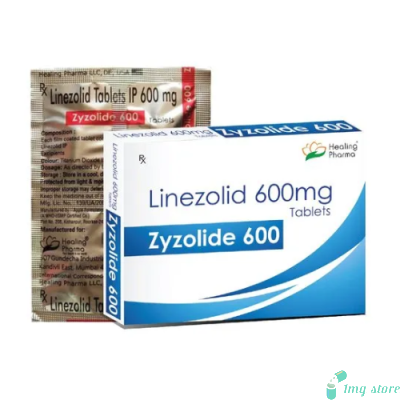
Linox Tablet (Linezolid) | For treating serious bacterial infections including skin, respiratory tract, and drug-resistant infections
Linox Tablet (Linezolid), a medicine used management of certain bacterial infections in the body. It helps control infection by stopping the growth of bacteria, allowing the body to recover more effectively.


Product Overview
Linox Tablet contains Linezolid, a well-known antibacterial agent used to help manage a range of bacterial infections. It is commonly recommended when infections require stronger support and works by stopping the growth of harmful bacteria in the body.
How Linox Tablet Works
Linox Tablet works by blocking bacterial protein production. Without these proteins, bacteria are unable to grow or multiply, which helps the body control the infection more effectively over time.
Key Benefits
- Helps manage different bacterial infections
- Supports recovery by limiting bacterial growth
- Works against resistant bacterial strains in specific cases
- Commonly used in hospital-based care settings
- Suitable for targeted infection management plan
How Does Linox Tablet Work? (Pharmacodynamics)
Linezolid belongs to a group of antibiotics called oxazolidinones. It works by interfering with bacterial protein production.
- Blocks Protein Formation: It binds to the 50S subunit of bacterial ribosomes and prevents the formation of a functional protein-making complex.
- Stops Bacterial Growth: Without essential proteins, bacteria cannot grow and multiply normally.
- Supports Infection Control: This action helps the body's immune system manage the infection.
Understanding Its Role in the Body
Linox Tablet helps treat specific bacterial infections, including certain infections caused by resistant bacteria such as MRSA and VRE. It is not effective against viral infections like the common cold or flu. The exact treatment depends on the type and severity of the infection.
Improvement may begin within a few days of starting treatment, depending on the infection and individual response. However, symptoms may take longer to settle completely. Continue taking Linox for the prescribed duration, even if you start feeling better.
Pharmacokinetics: How the Body Processes It
After taking Linox Tablet, linezolid passes through several stages:
- Absorption: It is absorbed quickly through the digestive system and has high oral bioavailability.
- Distribution: It spreads through body tissues and reaches areas affected by infection.
- Metabolism: It is mainly converted into inactive metabolites through oxidation.
- Elimination: The medicine and its metabolites are removed through urine and, to a lesser extent, faeces.
Clinical Considerations
- Blood Counts: Linezolid may lower platelet levels, haemoglobin, or white blood cells, particularly during prolonged treatment. Blood tests may be required.
- Medicine Interactions: Inform your healthcare professional about antidepressants, migraine medicines, and other medications, as some combinations may cause serious interactions.
- Blood Pressure: Certain foods rich in tyramine and some medicines may increase blood pressure during treatment.
- Nerve Health: Prolonged use may cause nerve-related problems or changes in vision. Report unusual symptoms promptly.
- Blood Sugar: People taking diabetes medicines should watch for signs of low blood sugar.
- Treatment Duration: Take the tablet exactly as prescribed and do not stop treatment without medical advice.
Storage Instructions
Store Linox Tablets in a cool, dry place, away from direct sunlight, excessive heat, and moisture. Keep them in their original packaging and out of reach of children. Follow the storage instructions on the product label.
Summary
Linox Tablet (Linezolid) is an oxazolidinone antibiotic that helps manage specific bacterial infections by preventing bacteria from producing essential proteins. Taking it as prescribed and following recommended monitoring can support effective treatment and help reduce the risk of complications.
Precautions
Linox Tablet (Linezolid) requires careful use because it may affect blood cell counts, blood pressure, and nerve health, particularly during prolonged treatment. It can also interact with certain foods and medicines, increasing the risk of unwanted effects. Following the recommended precautions can help reduce these risks and support safe treatment.
Before You Start
Check for allergies: Inform your doctor if you have previously experienced an allergic reaction to linezolid or any of its ingredients.
Discuss blood disorders: Tell your doctor if you have low blood cell counts, anaemia, or a history of bone marrow problems.
Mention blood pressure problems: Inform your doctor if you have high blood pressure or a history of uncontrolled blood pressure.
Discuss other health conditions: Share any history of thyroid problems, seizures, kidney disease, or liver disease.
Share your medication list: Inform your doctor about antidepressants, migraine medicines, opioid painkillers, and other medicines, as certain combinations may cause serious interactions.
Pregnancy or breastfeeding: Discuss the possible benefits and risks with your doctor before starting treatment.
While Using It
Follow the prescribed dose: Take Linox exactly as directed. Do not change the dose or stop treatment without medical advice.
Avoid certain foods: Limit foods rich in tyramine, such as aged cheese, cured meats, fermented foods, and certain alcoholic beverages, as they may cause a sudden rise in blood pressure.
Watch for blood sugar changes: If you have diabetes and use insulin or blood sugar-lowering medicines, monitor your glucose levels regularly.
Monitor blood counts: Your doctor may recommend regular blood tests, particularly if treatment continues for more than two weeks.
Watch for nerve-related symptoms: Report unusual tingling, numbness, or vision changes, especially during prolonged treatment.
Avoid unnecessary medicines: Do not take cough and cold preparations or other over-the-counter medicines without checking with your doctor.
When to Seek Medical Help
Unusual bleeding or bruising: Report unexpected bruising, bleeding, or extreme weakness, as these may indicate changes in blood cell counts.
Severe allergic reactions: Seek immediate medical attention for facial swelling, breathing difficulties, or severe skin reactions.
Possible serotonin syndrome: Seek urgent care if you develop confusion, agitation, fever, excessive sweating, muscle stiffness, or tremors, particularly when taking antidepressants.
Vision problems: Report blurred vision, changes in colour vision, or difficulty seeing clearly.
Severe diarrhoea: Contact your doctor if you develop persistent or bloody diarrhoea, even after completing treatment.
Note:
Linox Tablet should be taken only under medical supervision. Prolonged use may increase the risk of low blood cell counts and nerve-related problems. Complete the prescribed treatment and attend recommended blood tests. Always check with your doctor before combining linezolid with other medicines or making changes to your treatment.
Usage
Linox Tablet is used as part of a structured care plan to help manage different types of bacterial infections. It works by controlling the growth of bacteria and supporting the body’s natural recovery process.
Linox Tablet is generally used to support the management of bacterial infections affecting different parts of the body. It is selected based on the type and severity of the condition.
Dosage | Administration |
How Often | Usually twice daily (as advised) |
With Food | Can be taken with or without food |
Course Duration | Complete the full course, even if you feel better |
Missed Dose | Take as soon as remembered; skip if it's near the next dose |
Follow your doctor's instructions: Take Linox Tablet (Linezolid) exactly as prescribed. The dose and duration depend on the type and severity of the bacterial infection.
Maintain regular timing: Take the medicine at evenly spaced intervals as advised. It can generally be taken with or without food.
Complete the prescribed course: Continue taking Linox for the full recommended duration, even if you start feeling better. Do not stop treatment early without consulting your doctor.
Missed a dose? Take it when you remember, unless it is nearly time for your next dose. Do not take two doses together.
Check other medicines: Inform your doctor if you take antidepressants, migraine medicines, certain pain medicines, or other antibiotics, as some combinations may cause serious interactions.
Be mindful of your diet: Avoid excessive amounts of foods rich in tyramine, such as aged cheese, cured meats, and fermented products, as linezolid can interact with these foods.
Watch for unusual changes: Contact your doctor if you experience persistent diarrhoea, unusual bruising, vision changes, or numbness and tingling, particularly during prolonged treatment.
Uses
Pneumonia: Used to treat certain types of bacterial pneumonia caused by susceptible organisms.
Skin and soft tissue infections: Helps manage specific bacterial infections affecting the skin and underlying tissues.
Resistant bacterial infections: May be prescribed for infections caused by susceptible Gram-positive bacteria, including certain strains of MRSA and VRE.
Controls bacterial growth: Prevents bacteria from producing essential proteins, helping control the infection.
Targeted antibiotic treatment: Used when the suspected or confirmed bacteria are susceptible to linezolid.
Summary
Linox Tablet is an antibiotic used for specific bacterial infections that require linezolid treatment. Take it exactly as prescribed and complete the recommended course. Avoid self-medication and keep your doctor informed about other medicines you use to help reduce the risk of interactions and unwanted effects.
Side effects
Linox Tablet contains linezolid, an antibiotic used to treat certain bacterial infections. It may cause side effects depending on the dose, duration of treatment, and individual response. Not everyone experiences these effects.
Common Side Effects
Nausea: You may feel sick or uncomfortable in your stomach.
Diarrhoea: You may experience loose or frequent stools.
Headache: Mild headaches may occur during treatment.
Vomiting: Some people may experience vomiting.
Dizziness: You may feel lightheaded or unsteady.
Changes in taste: Food may taste different than usual.
Anaemia: You may feel tired or weak due to reduced red blood cell levels.
Oral thrush: White patches or soreness in the mouth may develop.
Serious Side Effects
Low blood cell counts: Linezolid may reduce platelets, red blood cells, or white blood cells, increasing the risk of bleeding, anaemia, or infections.
Serotonin syndrome: Agitation, sweating, fever, shaking, or muscle stiffness may occur, particularly with certain antidepressants.
Vision problems: Blurred vision, changes in colour vision, or difficulty seeing clearly need prompt medical attention.
Nerve damage: Tingling, numbness, or burning sensations in the hands and feet may develop, particularly with prolonged treatment.
Severe diarrhoea: Persistent or watery diarrhoea, especially with stomach cramps or blood, requires medical assessment.
Severe allergic reactions: Facial swelling, breathing difficulties, or widespread rash require immediate medical attention.
Note: Take Linox Tablet exactly as prescribed and complete the recommended treatment course. Inform your doctor about other medicines you take, especially antidepressants and blood pressure medicines. Regular blood tests may be needed during treatment to monitor blood cell counts. Seek medical advice if side effects persist or worsen.
FAQs
1. What is Linox Tablet used for?
Linox Tablet contains linezolid, an antibiotic used to treat certain serious bacterial infections, including pneumonia and skin and soft tissue infections.
2. How does Linox Tablet work?
It works by preventing bacteria from producing the proteins they need to grow and multiply, helping the body fight the infection.
3. How should Linox Tablet be taken?
Swallow the tablet with water as prescribed by your doctor. Follow the recommended dose and complete the full course, even if you start feeling better.
4. Can Linox Tablet be taken with food?
Yes. Linox Tablet can generally be taken with or without food. Taking it with food may help if you experience stomach discomfort.
5. What are the common side effects of Linox Tablet?
Common side effects may include nausea, diarrhoea, headache, vomiting, dizziness, and changes in taste.
6. Can Linox Tablet be used for viral infections?
No. Linox Tablet works against certain bacteria and is not effective against viral infections such as the common cold or flu.
7. Can Linox Tablet interact with other medicines?
Yes. It may interact with antidepressants, certain pain medicines, and other medicines that affect serotonin levels or blood pressure. Inform your doctor about all medicines you take.
8. Are there any food restrictions while taking Linox Tablet?
Avoid consuming large amounts of foods rich in tyramine, such as aged cheese, fermented foods, and cured meats. These may cause a rise in blood pressure during treatment.
9. Can Linox Tablet cause changes in blood counts?
Yes. Linezolid may reduce certain blood cell counts, particularly during prolonged treatment. Your doctor may recommend regular blood tests to monitor your blood counts.
10. What should I do if I miss a dose of Linox Tablet?
Take the missed dose as soon as you remember, unless it is nearly time for your next dose. In that case, skip it and continue with your regular schedule. Do not take two doses together.
Interactions
Certain medicines and food products can interact with Linox Tablets (Linezolid) and increase the risk of side effects, affect blood pressure, or cause unwanted reactions. Some combinations may also increase serotonin levels in the body, leading to serious symptoms. Inform your healthcare professional about all medicines and supplements you take before starting treatment.
1. Antidepressants
Medicines such as fluoxetine, sertraline, and escitalopram may increase serotonin levels when taken with linezolid.
This combination may cause serotonin syndrome, with symptoms such as agitation, sweating, fever, and a fast heartbeat.
2. Certain Painkillers
Medicines such as tramadol and pethidine may increase the risk of serotonin syndrome.
Tell your healthcare professional if you use these medicines for pain relief.
3. Blood Pressure Medicines
Certain medicines used to manage blood pressure may need extra monitoring when taken with linezolid.
Inform your healthcare professional if you take regular heart or blood pressure medicines.
4. Cold and Decongestant Medicines
Medicines containing pseudoephedrine or phenylephrine may increase blood pressure when taken with linezolid.
Check with your healthcare professional before using cold, flu, or nasal decongestant medicines.
5. Tyramine-Rich Foods
Foods such as aged cheese, cured meats, fermented foods, and certain alcoholic drinks may cause a sudden rise in blood pressure when consumed in large amounts.
Follow dietary advice during treatment.
6. Diabetes Medicines
Linezolid may sometimes lower blood sugar levels in people taking insulin or certain diabetes tablets.
Monitor your blood sugar as advised and report symptoms such as sweating, shakiness, or dizziness.
Tips to Avoid Interactions
Inform your healthcare professional about all prescription medicines, over-the-counter products, and supplements you take.
Check before using antidepressants, painkillers, or cold and flu medicines.
Follow dietary precautions and monitor blood sugar if you have diabetes.
Do not stop or change any regular medicine without medical advice.
Note: Some interactions with linezolid can be serious, particularly those involving antidepressants and medicines that affect blood pressure. Seek immediate medical advice if you experience severe headache, chest pain, sudden blood pressure changes, or symptoms such as fever, agitation, and muscle stiffness.
| Manufacturer | : | Torrent Pharmaceuticals Ltd. |
| Equivalent Brand | : | Zyvox |
| Generic Search | : | Linezolid |
Latest Products