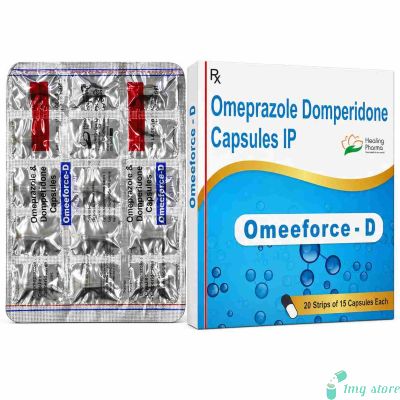
Omeprazole Capsule (Omeeforce): Proton Pump Inhibitor | For Acid Reflux, Gastric Ulcers, and Acid-Related Disorders
Omeprazole Capsule contains omeprazole, a proton pump inhibitor (PPI) that helps reduce excess stomach acid. It is commonly used to manage acid reflux, heartburn, gastroesophageal reflux disease (GERD), and stomach ulcers by lowering acid production and helping relieve acid-related digestive discomfort.


Product Overview
How Does Omeprazole Capsule Work?
Omeprazole works by blocking an enzyme system known as the hydrogen-potassium ATPase enzyme, commonly called the gastric proton pump. This enzyme is responsible for the final stage of stomach acid production.
When Omeprazole blocks this enzyme, the stomach releases less acid. As acid levels decrease, irritation caused by excessive acidity may gradually improve. Reduced acid exposure also creates a more suitable environment for the healing of acid-related damage in the stomach and food pipe.
Unlike ordinary antacids, which neutralise acid already present in the stomach, Omeprazole reduces the production of new stomach acid.
Understanding the Role of Stomach Acid
Stomach acid is naturally produced by specialised cells in the stomach lining. It helps break down food, supports protein digestion, and provides an acidic environment that assists certain digestive processes.
However, excessive acid production or the backward movement of stomach contents into the oesophagus can contribute to digestive problems.
Common acid-related symptoms include:
- Burning sensation in the chest after eating.
- Sour or acidic taste in the mouth.
- Discomfort in the upper abdomen.
- Acid reflux, particularly after meals.
- Heartburn that may become more noticeable when lying down.
- By reducing stomach acid production, Omeprazole helps manage symptoms associated with these conditions.
Conditions Associated with Omeprazole Treatment
Omeprazole is used in the management of several acid-related digestive conditions.
1. Gastroesophageal Reflux Disease (GERD)
GERD occurs when stomach contents repeatedly flow backwards into the oesophagus. This may cause heartburn, sour taste, and irritation in the food pipe. Omeprazole reduces stomach acid, helping manage acid-related symptoms and support the healing of irritated oesophageal tissue.
2. Peptic Ulcers
Peptic ulcers are open sores that develop in the lining of the stomach or upper part of the small intestine. Excess stomach acid can contribute to irritation and delay healing. Omeprazole lowers acid production, creating a more favourable environment for ulcer healing.
3. Duodenal Ulcers
Duodenal ulcers develop in the first part of the small intestine. Reducing stomach acid helps decrease irritation around the affected area and supports the natural healing process.
4. Gastric Ulcers
Gastric ulcers occur in the stomach lining. Omeprazole helps reduce acid exposure, which supports the healing of damaged stomach tissue.
5. Zollinger-Ellison Syndrome
This is a rare condition in which certain tumours cause the stomach to produce unusually high amounts of acid. Omeprazole helps control excessive acid production as part of its management.
General Information About Omeprazole Capsule
Omeprazole Capsule is intended for oral administration. It is generally taken before meals, often in the morning, according to the prescribed schedule. The capsule should be swallowed as directed, and the formulation-specific instructions should be followed.
The appropriate strength and treatment duration depend on the digestive condition, symptom severity, and individual clinical requirements.
Precaution
Follow the Recommended Dosage
Take Omeprazole Capsule according to the recommended schedule. Avoid changing the strength or duration without consulting a healthcare professional.
Inform About Existing Health Conditions
Share details of existing digestive or liver-related conditions before starting Omeprazole, as these may influence its suitability.
Take Before Meals
Omeprazole is generally taken before meals, often in the morning. Follow the product-specific instructions for the correct timing.
Swallow the Capsule Properly
Swallow the capsule as directed. Do not crush or chew its contents unless the product instructions specifically allow it.
Check Other Medicines
Inform your healthcare professional about other medicines, vitamins, or supplements being taken to avoid possible medicine-related complications.
Avoid Unnecessary Long-Term Use
Using Omeprazole for an extended period should be monitored by a healthcare professional, as prolonged use may require additional assessment.
Seek Medical Advice for Persistent Symptoms
If heartburn, stomach discomfort, or other digestive symptoms continue despite treatment, seek medical evaluation to identify the underlying cause.
Usage
Recommended Method of Administration
Oral Administration: Take the capsule by mouth with a glass of water.
Before Meals: It is generally taken before eating, preferably in the morning.
Swallow Whole: Swallow the capsule as directed. Do not crush or chew it.
Maintain Regular Timing: Take it at the same time each day for consistent acid control.
Follow the Recommended Duration: Continue treatment for the advised period.
What If You Miss a Dose?
Take the missed dose when you remember. If it is almost time for the next dose, skip the missed dose and continue with the regular schedule. Avoid taking two doses together.
Important Usage Guidance
The dosage and treatment duration depend on the condition being managed and the capsule strength. Follow the product instructions and healthcare professional's guidance for proper use.
Uses
Gastroesophageal Reflux Disease (GERD)
Omeprazole helps manage GERD by reducing stomach acid and relieving acid-related irritation in the food pipe.
Heartburn and Acid Reflux
It helps reduce frequent heartburn, sour taste, and burning sensations caused by stomach acid flowing back into the oesophagus.
Stomach Ulcers
Omeprazole lowers acid production, creating a favourable environment for damaged stomach tissues to heal.
Duodenal Ulcers
It helps reduce acid exposure in the upper part of the small intestine and supports ulcer healing.
Gastric Ulcers
Omeprazole reduces stomach acidity, helping protect the affected stomach lining during the healing process.
Zollinger-Ellison Syndrome
It helps control excessive stomach acid production associated with this rare condition.
Helicobacter pylori-Related Ulcers
Omeprazole may be used alongside specific antibiotics to help manage H. pylori infection and support ulcer healing.
Side Effects
Headache
Some individuals may experience headaches during treatment. Staying hydrated and maintaining regular meals may help.
Nausea
A feeling of nausea may occur, particularly during the initial days of use.
Stomach Pain
Mild abdominal discomfort or stomach pain may develop while taking Omeprazole Capsule.
Diarrhoea
Changes in digestive activity may cause loose or frequent stools in some individuals.
Constipation
Some people may experience difficulty passing stools during treatment.
Gas and Bloating
Reduced stomach acid levels may be accompanied by gas, abdominal fullness, or bloating.
Vomiting
Occasional vomiting may occur in some individuals during treatment.
Less Common Effects
Dizziness or light-headedness.
Dry mouth.
Skin rash or itching.
Changes in taste.
Sleep disturbances.
Long-Term Effects of Omeprazole
Using Omeprazole for an extended period may be associated with certain health concerns, including vitamin B12 deficiency, low magnesium levels, and an increased risk of certain bone fractures.
When to Seek Medical Advice
Consult a healthcare professional if side effects become persistent, severe, or unusual. Seek prompt medical attention for signs of a serious allergic reaction, severe abdominal pain, or persistent watery diarrhoea.
Important: Side effects do not occur in everyone. Their frequency and intensity may differ depending on individual health conditions, dosage, and treatment duration.
FAQs
What is Omeprazole Capsule used for?
Omeprazole Capsule is used to manage acid reflux, heartburn, GERD, and stomach ulcers by reducing excess stomach acid.
How does Omeprazole Capsule work?
It blocks proton pumps in the stomach lining, reducing acid production and helping relieve acid-related discomfort.
Is Omeprazole used for acidity?
Yes, it helps manage excessive stomach acid and related symptoms such as heartburn and acid reflux.
When should Omeprazole Capsule be taken?
It is generally taken before meals, often in the morning, as directed by a healthcare professional.
How long does Omeprazole take to work?
It may begin reducing stomach acid within the first day, but complete symptom relief can take a few days.
Can Omeprazole help with GERD?
Yes, it reduces stomach acid and helps manage heartburn and irritation associated with GERD.
Is Omeprazole an antacid?
No, Omeprazole is a proton pump inhibitor (PPI). It reduces acid production rather than neutralising existing stomach acid.
Can Omeprazole Capsule be taken daily?
It may be taken daily for certain conditions, depending on the recommended dosage and treatment duration.
Interactions
Blood Thinners
Medicines such as warfarin may interact with Omeprazole and require closer monitoring to check their effects.
Antifungal Medicines
Certain antifungal medicines, including ketoconazole and itraconazole, may have reduced absorption because Omeprazole lowers stomach acid levels.
HIV Medicines
Some HIV medicines, such as atazanavir and nelfinavir, may interact with Omeprazole and affect their effectiveness.
Antiplatelet Medicines
Clopidogrel may interact with Omeprazole, potentially reducing its antiplatelet effect.
Methotrexate
Omeprazole may increase methotrexate levels in the body, particularly when methotrexate is used in high doses.
Digoxin
Taking Omeprazole with digoxin may increase digoxin levels in some individuals, requiring monitoring.
Other Acid-Reducing Medicines
Combining Omeprazole with other proton pump inhibitors or acid-reducing medicines may not always be necessary. Follow the recommended treatment schedule.
Important: Medicine interactions depend on individual health conditions, dosage, and treatment duration. Always share your current medication list with a healthcare professional before using Omeprazole Capsule.
| Manufacturer | : | Healing Pharma |
| Equivalent Brand | : | Prilosec |
| Generic Search | : | Omeprazole |
Latest Products