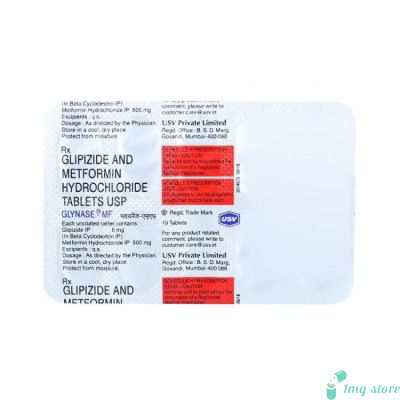
Gluformin Tablet (Metformin): Antidiabetic Tablet | For Type 2 Diabetes, Blood Sugar Control, Insulin Sensitivity Improvement
Gluformin Tablet contains Metformin, an oral antidiabetic medication commonly used to help manage type 2 diabetes. It works by reducing glucose production in the liver and improving the body's sensitivity to insulin, helping maintain healthier blood sugar levels.


Product Overview
Gluformin Tablet contains Metformin, an oral medicine commonly used to help manage blood glucose levels in people with type 2 diabetes. It belongs to the biguanide class of medicines and is generally used along with a balanced diet and regular physical activity.
Metformin primarily helps improve the body's response to insulin and reduces the amount of glucose produced by the liver. By supporting better blood sugar control, it can help reduce the risk of complications associated with persistently elevated blood glucose levels.
The medicine should be taken only according to the dosage and schedule recommended by a healthcare professional.
Pharmacological Profile
| Parameter | Details |
| Product Type | Gluformin Tablet |
| Active Ingredient | Metformin |
| Drug Class | Biguanide |
| Dosage Form | Oral Tablet |
| Route of Administration | Oral |
| Primary Purpose | Blood glucose management |
| Common Use | Type 2 diabetes mellitus |
Mechanism Insights (How It Works)
- Reduces Liver Glucose Production
Metformin helps decrease the amount of glucose produced and released by the liver. This contributes to lower blood glucose levels, particularly between meals and overnight. - Improves Insulin Sensitivity
The medicine can improve the body's sensitivity to insulin, allowing cells to use available glucose more effectively. - Supports Glucose Utilization
Metformin may help improve the uptake and utilization of glucose by tissues, contributing to better overall blood sugar control.
Administration Guidelines
- Take Gluformin Tablet exactly as prescribed by a healthcare professional.
- Take the tablet with or after food if recommended, as this may help reduce stomach-related side effects.
- Swallow the tablet with sufficient water unless instructed otherwise.
- Do not crush, chew, or split modified-release formulations unless specifically advised.
- Take the medicine at approximately the same time each day for consistent treatment
- Do not take more than the prescribed dose.
- If you miss a dose, follow your healthcare professional's instructions rather than taking an extra dose to compensate.
- Continue following your recommended diet, exercise, and blood glucose monitoring plan.
Clinical Considerations
- Metformin is generally prescribed for type 2 diabetes and may be used alone or alongside other diabetes medicines when additional blood glucose control is required.
- Common side effects may include nausea, diarrhea, stomach discomfort, abdominal pain, reduced appetite, or a metallic taste, particularly when treatment is first started
. These effects may improve as the body adjusts to the medicine.
Long-term use of metformin may be associated with reduced vitamin B12 levels in some individuals, so healthcare professionals may recommend monitoring when appropriate.
Metformin may not be suitable for everyone, particularly people with significant kidney problems or certain other medical conditions. Kidney function is generally assessed before and during treatment when clinically appropriate.
A rare but serious complication called lactic acidosis can occur, particularly in people with significant risk factors. Seek urgent medical attention if severe weakness, unusual muscle pain, breathing difficulty, persistent abdominal discomfort, dizziness, or other concerning symptoms develop.
Inform your healthcare professional about all medicines, supplements, and medical conditions before starting treatment. Do not stop or change the prescribed dose without professional advice.
Precautions:
Gluformin Tablet (Metformin) should be used with caution in certain individuals to ensure safe and effective treatment. Proper medical guidance is recommended, especially for patients with kidney, liver, or heart-related conditions and those taking other medicines for diabetes.
General Precautions
- Use Gluformin only as prescribed by a healthcare professional
- Take the medicine with or after food to help reduce stomach-related side effects
- Do not change the dose or stop treatment without medical advice
- Monitor blood glucose levels regularly as recommended
- Inform your doctor about all medicines and supplements you are taking
- Avoid excessive alcohol consumption, as it may increase the risk of complications
Kidney Function Considerations
- Metformin is eliminated mainly through the kidneys
- Inform your doctor if you have kidney disease or reduced kidney function
- Kidney function may need to be checked before and during treatment
- Your doctor may adjust or discontinue treatment depending on kidney function
- Seek medical advice if you develop severe dehydration, vomiting, or diarrhea
Liver & Heart Considerations
- Inform your doctor about any existing liver problems
- Use cautiously in patients with significant liver impairment
- Tell your healthcare provider if you have a history of heart failure or other serious heart conditions
- Seek medical attention if you experience unusual weakness, difficulty breathing, or persistent muscle pain
Pregnancy & Breastfeeding
- Consult a healthcare professional before using Gluformin during pregnancy
- Do not start, stop, or change the dose during pregnancy without medical advice
- Discuss the use of metformin with your doctor while breastfeeding
- Your healthcare provider can determine whether metformin is appropriate based on your individual condition
Medical Procedure & Contrast Dye Precautions
- Inform your doctor that you are taking metformin before certain medical procedures
- Metformin may need to be temporarily stopped before or around some tests involving iodinated contrast dye
- Follow your healthcare professional's instructions regarding when to stop and restart treatment
- Kidney function may be assessed before restarting therapy when required
Usage
General Usage Information
Gluformin Tablet (Metformin) is used as part of a comprehensive approach to managing type 2 diabetes mellitus. It helps improve blood glucose control by reducing glucose production in the liver and improving the body's sensitivity to insulin. The effectiveness of treatment depends on taking the medicine regularly, following the prescribed dosage, and maintaining a suitable diet and lifestyle.
Key Usage Points
✔ Take Gluformin Tablet exactly as prescribed by a healthcare professional
✔ Take it with or after food to help reduce stomach discomfort
✔ Swallow the tablet with water unless advised otherwise
✔ Take doses at the same time each day for consistent blood glucose control
✔ Continue treatment as prescribed, even when blood sugar levels improve
✔ Follow recommended diet, exercise, and blood glucose monitoring practices
Uses
Gluformin Tablet is commonly used to help control high blood sugar levels in people with type 2 diabetes. It may be prescribed alone or together with other antidiabetic medicines when additional blood glucose control is required.
How to Use
- Take the tablet orally with a glass of water.
- Take it with or after meals as advised by your healthcare professional.
- The dosage depends on blood glucose levels, medical history, kidney function, and response to treatment.
- Follow the prescribed schedule carefully and do not change the dose without medical advice.
Side Effects
General Safety Information
Gluformin Tablet (Metformin) is generally well tolerated when used as prescribed for managing blood sugar levels in people with type 2 diabetes. Most side effects are mild and temporary, particularly when treatment is started, but their occurrence may vary depending on the individual’s health condition, dosage, and duration of use.
Common Side Effects
✔ Nausea or vomiting
✔ Diarrhea
✔ Abdominal pain or discomfort
✔ Loss of appetite
✔ Changes in taste, such as a metallic taste
These effects are usually more noticeable when treatment begins and may improve as the body adjusts to the medicine. Taking metformin with meals may help reduce stomach-related discomfort.
Serious Side Effects (Rare but Important)
⚠ Seek medical attention if you experience:
- Signs of lactic acidosis, such as unusual weakness, extreme tiredness, difficulty breathing, severe dizziness, or feeling unusually cold
- Severe or persistent abdominal discomfort
- Persistent vomiting or diarrhea that may cause dehydration
- Signs of an allergic reaction, including rash, itching, swelling, or difficulty breathing
- Unusual muscle pain or severe weakness
Risk Factors & Monitoring
- Higher risk of complications in patients with significant kidney or liver problems
- Kidney function may need to be checked before and during treatment
- Long-term use may reduce vitamin B12 levels in some people, so monitoring may be recommended when appropriate
- Alcohol consumption should be discussed with a healthcare professional because excessive alcohol may increase the risk of serious side effects
- Patients with other medical conditions or those taking multiple medicines should inform their doctor before starting treatment
FAQs
What is Gluformin Tablet used for?
Gluformin Tablet contains Metformin and is commonly used to help manage type 2 diabetes. It helps control blood sugar levels and may be prescribed along with a healthy diet and regular exercise.
How does Gluformin Tablet work in the body?
Metformin works mainly by reducing glucose production by the liver and improving the body's sensitivity to insulin. This helps lower and control blood sugar levels.
Can Gluformin Tablet be taken by children?
Metformin may be prescribed for some children or adolescents with specific medical conditions, but it should only be used under the guidance of a qualified healthcare professional.
How should I take Gluformin Tablet?
Take Gluformin Tablet exactly as prescribed by your doctor. It is generally taken with or after meals to reduce the chance of stomach-related side effects. Swallow the tablet as directed and do not change the dose without medical advice.
What should I do if I miss a dose?
Take the missed dose when you remember, unless it is almost time for your next dose. If the next dose is due soon, skip the missed dose and continue with your regular schedule. Do not take two doses together to make up for a missed dose.
Interactions
General Interaction Overview
Gluformin Tablet (Metformin) may interact with certain medicines and substances that can affect blood sugar levels, kidney function, or the way metformin works in the body. Some combinations may increase the risk of low or high blood sugar, dehydration, or other unwanted effects. Always inform your doctor about all prescription medicines, over-the-counter medicines, supplements, and herbal products you are using.
Commonly Reported Interactions
- Other diabetes medicines may increase the risk of low blood sugar when used with metformin.
- Certain medicines that affect kidney function may increase the risk of metformin-related complications.
- Diuretics and some blood-pressure medicines may affect blood glucose control or kidney function.
- Corticosteroids may increase blood sugar levels and reduce the effectiveness of diabetes treatment.
- Some medicines used for infections, heart conditions, or other chronic conditions may affect blood glucose levels or metformin clearance.
- Alcohol may increase the risk of unwanted effects and, in excessive amounts, may increase the risk of lactic acidosis.
- Contrast dyes used during certain X-ray or imaging procedures may require temporary adjustment or stopping of metformin, particularly when kidney function is a concern.
- Vitamin B12 levels may be affected during long-term metformin treatment, especially in some individuals.
It is important to inform your doctor or pharmacist about all medicines, supplements, and herbal products you use before taking Gluformin Tablet. This helps reduce the risk of interactions and ensures metformin is used safely and effectively.
| Manufacturer | : | Abbott Healthcare Pvt. Ltd. |
| Equivalent Brand | : | Glucophage |
| Generic Search | : | Metformin |
Latest Products