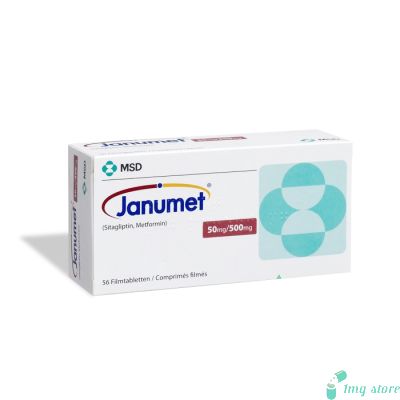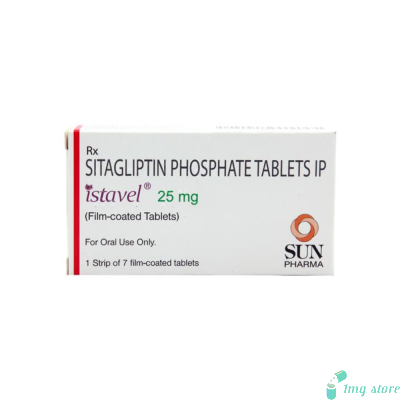
Siglipol Tablet (Sitagliptin) | Used to Manage Type 2 Diabetes & Control Blood Sugar
Siglipol Tablet contains Sitagliptin, an oral DPP-4 inhibitor used along with diet and exercise to improve blood sugar control in adults with type 2 diabetes. It helps increase glucose-dependent insulin release and reduce glucagon secretion when blood glucose levels are elevated.


Product Overview
Siglipol Tablet contains Sitagliptin, an oral antidiabetic medicine belonging to the DPP-4 (dipeptidyl peptidase-4) inhibitor class. It is used along with an appropriate diet and regular exercise to improve blood glucose control in adults with type 2 diabetes mellitus.
Sitagliptin works by increasing the activity of incretin hormones in the body. These hormones help the pancreas release insulin when blood glucose is elevated and reduce the release of glucagon, a hormone that can increase blood glucose. This helps improve glycemic control while using a glucose-dependent mechanism.
Key Points
- Contains Sitagliptin as the active ingredient.
- Belongs to the DPP-4 inhibitor class.
- Used to help manage type 2 diabetes.
- Helps improve blood glucose control.
- Supports insulin release when blood glucose is elevated.
- Helps reduce excessive glucagon secretion.
- Used along with appropriate diet and exercise.
- May be prescribed alone or with other diabetes medicines.
- The dose may need adjustment in people with reduced kidney function.
Product Information
| Product Name | Siglipol Tablet |
| Active Ingredient | Sitagliptin |
| Medicine Class | DPP-4 Inhibitor |
| Therapeutic Category | Antidiabetic |
| Main Use | Type 2 Diabetes |
| Dosage Form | Tablet |
| Route of Administration | Oral |
| Common Sitagliptin Strengths | 25mg, 50mg, 100mg |
Administration | With or without food |
How Does Siglipol Tablet Work?
Siglipol contains Sitagliptin, which blocks the activity of the DPP-4 enzyme. DPP-4 normally breaks down incretin hormones such as GLP-1 and GIP.
By inhibiting DPP-4, Sitagliptin allows these hormones to remain active for longer. This helps increase insulin release when blood glucose is elevated and decrease glucagon secretion. These effects work together to reduce elevated blood glucose levels in people with type 2 diabetes.
Precaution
- Kidney Function: Tell your doctor if you have kidney disease. Sitagliptin is primarily eliminated through the kidneys, and the dose should be adjusted according to kidney function when required. Kidney function should be assessed before treatment and periodically thereafter.
- Pancreatitis: Acute pancreatitis has been reported in patients taking Sitagliptin. Contact your doctor promptly if you develop persistent or severe abdominal pain, particularly if the pain extends toward the back. If pancreatitis is suspected, Sitagliptin should be discontinued and medically evaluated.
- Heart Failure: Tell your doctor if you have a history of heart failure or other risk factors for heart failure. Your healthcare professional may monitor you for symptoms such as shortness of breath, swelling, or unexplained rapid weight gain.
- Low Blood Sugar: Sitagliptin has a higher risk of causing hypoglycemia when used together with insulin or insulin secretagogues such as sulfonylureas. Your doctor may adjust the dose of these medicines.
- Allergic Reactions: Do not take Sitagliptin if you have previously experienced a serious allergic reaction to it. Seek immediate medical attention for facial or throat swelling, difficulty breathing, severe rash, or other signs of a serious allergic reaction.
- Severe Joint Pain: Severe and disabling joint pain has been reported with DPP-4 inhibitors. Tell your doctor if you develop significant or persistent joint pain.
- Skin Reactions: Rare cases of bullous pemphigoid have been reported. Inform your doctor if unexplained blisters or skin erosions develop.
- History of Pancreatitis: Inform your doctor if you have previously experienced pancreatitis. The risk associated with a previous history of pancreatitis has not been fully established.
- Pregnancy: Inform your doctor if you are pregnant, planning pregnancy, or think you may be pregnant before using Sitagliptin.
- Breastfeeding: Tell your healthcare professional if you are breastfeeding so that they can determine the appropriate treatment for you.
Usage
- Take Siglipol Tablet exactly as prescribed by your doctor.
- The usual adult dose of Sitagliptin is 100mg once daily when appropriate; the prescribed dose may be lower in patients with reduced kidney function.
- It can generally be taken with or without food.
- Take the tablet at approximately the same time each day.
- Swallow the tablet with water.
- Do not change the prescribed dose based on your blood glucose readings without medical advice.
- Continue following the diet and exercise plan recommended by your healthcare professional.
- Monitor your blood glucose as advised.
- If you miss a dose, take it when you remember unless it is nearly time for the next dose. Do not take two doses together.
- If you are taking Sitagliptin with insulin or a sulfonylurea, follow your doctor's instructions regarding blood glucose monitoring because the combination can increase the risk of hypoglycemia.
Uses
Siglipol Tablet is used to:
- Manage Type 2 Diabetes: Helps improve blood glucose control in adults with type 2 diabetes.
- Improve Glycemic Control: Helps lower elevated blood glucose when used along with diet and exercise.
- Support Insulin Release: Helps the pancreas release insulin in response to elevated blood glucose.
- Reduce Glucagon Secretion: Helps reduce inappropriate glucagon release when blood glucose is elevated.
- Provide Combination Treatment: May be used together with other diabetes medicines when additional glucose control is required.
Side Effects
Common Side Effects
Possible side effects of Sitagliptin include:
- Upper respiratory tract infection
- Nasopharyngitis
- Headache
- Stuffy or runny nose
- Sore throat
When Sitagliptin is used with insulin or a sulfonylurea, hypoglycemia may occur more frequently.
Serious Side Effects
Seek medical attention if you develop:
- Severe or persistent abdominal pain, which may indicate pancreatitis
- Difficulty breathing or swelling of the face, lips, tongue, or throat
- Severe skin reactions
- Unexplained blisters or skin erosions
- Severe or disabling joint pain
- Symptoms of low blood sugar, especially when used with insulin or an insulin secretagogue
- Symptoms potentially associated with heart failure, such as shortness of breath or swelling
FAQs
1. What is Siglipol Tablet used for?
Siglipol Tablet contains Sitagliptin and is used along with diet and exercise to improve blood sugar control in adults with type 2 diabetes.
2. What is the active ingredient in Siglipol?
The active ingredient is Sitagliptin, a DPP-4 inhibitor.
3. How does Sitagliptin work?
Sitagliptin inhibits the DPP-4 enzyme, helping incretin hormones remain active for longer. This supports insulin release and reduces glucagon secretion when blood glucose is elevated.
4. What is the usual dose of Sitagliptin?
The usual recommended adult dose is 100mg once daily, while a lower dose is recommended for certain levels of kidney impairment.
5. Can Siglipol be taken with food?
Yes. Sitagliptin can generally be taken with or without food.
6. Can Sitagliptin cause low blood sugar?
The risk is generally increased when Sitagliptin is used with insulin or insulin-releasing medicines such as sulfonylureas.
7. What are the common side effects of Siglipol?
Common side effects include upper respiratory tract infection, nasopharyngitis, and headache.
8. Can people with kidney problems take Sitagliptin?
Sitagliptin can be used with dose adjustment in patients with reduced kidney function. Kidney function should be assessed before and during treatment.
Interactions
- Insulin: Taking Sitagliptin with insulin can increase the risk of hypoglycemia. Your doctor may monitor your blood glucose and adjust the insulin dose if necessary.
- Sulfonylureas: Medicines such as glimepiride or glipizide stimulate insulin release. When combined with Sitagliptin, they may increase the risk of low blood sugar. A lower dose of the sulfonylurea may be required.
- Other Antidiabetic Medicines: When Sitagliptin is combined with other medicines that lower blood glucose, your healthcare professional may recommend additional blood glucose monitoring.
- Digoxin: Sitagliptin can produce a small increase in digoxin exposure. Tell your doctor if you take digoxin so that appropriate monitoring can be considered.
- Metformin: Clinical studies found that Sitagliptin did not meaningfully alter the pharmacokinetics of Metformin. However, your doctor should still know if you are taking both medicines as part of your diabetes treatment.
- Other Prescription Medicines: Sitagliptin has a relatively low potential for clinically significant interactions with many commonly used medicines, but your complete medication list should still be reviewed by a healthcare professional.
- Over-the-Counter Medicines: Inform your pharmacist or doctor about medicines purchased without a prescription, particularly if they may affect blood glucose or kidney function.
- Vitamins and Supplements: Tell your healthcare professional about vitamins, nutritional supplements, and herbal products because their effects may vary depending on your overall treatment.
- Kidney-Affecting Medicines: Since Sitagliptin is primarily eliminated through the kidneys, medicines or medical conditions that affect kidney function may be important when determining the appropriate Sitagliptin dose.
| Manufacturer | : | Zydus Lifesciences |
| Equivalent Brand | : | Januvia |
| Generic Search | : | Sitagliptin |
Latest Products